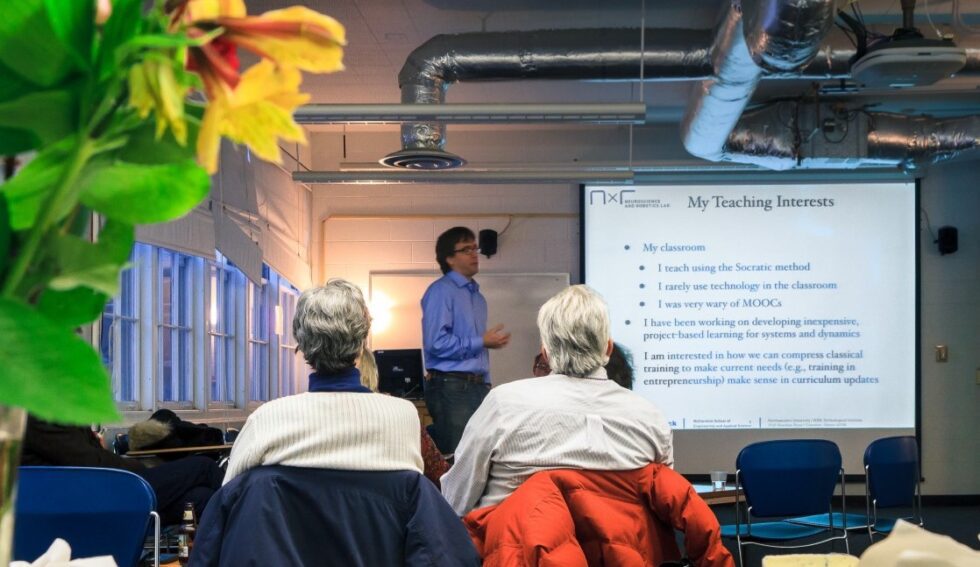
Every institution arranges a training session and programs to achieve its goals because every company or institution needs its colleagues to enhance their professional skills, confidence in the work, knowledge, etc. So, let us understand what it is.
WHAT’S IN IT
What is a training session?

Training sessions are the program arranged for the people to provide the various education values. It may be corporate training and team skill training etc. These sessions are great for enhancing knowledge, professional skills, boosting morale, re-focusing on the team, etc. These sessions can maybe be done through lectures, evaluations, or discussions and demonstrations.
These training meetings are done to increase the employees’ productivity and enhance their confidence and trust in the company. These events can also help improve the relationship between colleagues and provide a friendly and happy environment to work.
As an organizer, your goal is likely to organize the session effectively and maximize the training experience and valuable knowledge of the attendees or your team.
Let’s discuss some of the effecting tips to plan such a useful and valuable training event.
These tips will help ensure that the training programs will prove beneficial for your business and accelerate team performance and hit vital targets.
How to conduct an effective training session?
To develop a strength training program plan, it requires time. However, taking more time will help in building an effective strategy. As you start planning, you visualize every step of the session. It results in presenting each information in a logical order, and you will also be able to prepare for the painful points, which takes time to understand.
Let’s see the crucial tips needed to keep in mind during the makeup session.
1. Test the employees before the session
Perform a test to help you structure your training course. As a result, it helps establish the company’s needs by up-skill the team and achieving the business goals. You will understand what the trainees need to learn, and likewise, you can organize your session.
2. Keep adult learning principles

While organizing a session, adult learning is a critical principle that needs to be kept in mind. It mainly focuses on a few main principles such as-
a) Self-concepts- As the person learns more and more, they will likely to mature in the process. Then they move towards becoming a self- improving human being.
b) Readiness to learn more- As the person matures, their
curiosity increases, Which results in an increase in their willingness to learn more becomes oriented and to enhance the developmental tasks of their social roles.
c) Orientation to learning- As the person matures, their perspective changes, and they become more focused on the problems and how they can be solved.
d) Motivation to learn- As the person becomes mature, learning more and more is internalized. It will be a great idea if your focus also revolves around these adult learning principles. This will optimize the training as a valuable experience for the attendees.
3. Develop learning objectives
Learning objectives are the basics of the training session. These will highlight the knowledge, professional skills, etc. that the team will gain by attending the session. Above all, These learning objectives should be derived from the test assessments we previously took.
These goals will improve the impacts of sessions on people and help them maximize their potential and set the expectations and topics covered in the course to be ensured through the feedback they provide. Working without learning objectives can affect the training session outcome, and your convention may not be successful. So creating meaningful learning objectives is an important step.
4. Structural planning
The structure of training meetings should be planned after establishing the learning objectives and with a strong focus on the adult learning principle.
The structure provides a proper timeline to follow and will indicate the clarity of how well you can solve the problems of the team members.
5. Training material

It is a crucial step for running a proper training session. It can be categorized into two categories-
a) Training materials for the trainers
b) Training materials for the attendees.
As an organizer, the material acts as a goal. They should support your thoughts, and they should prompt you and keep you organized. To learn, attendees must make a context list of experiences that helps them understand and develop new skills. As an organizer and trainer, emphasize the relevant goals for this session.
6. Digestible and clear presentations
The presentation should be simple and clear to understand the goals you want to train your attendees with. This will guide the whole session as an organizer as well as for attendees. One idea per slide should be included. Not more than a maximum of six bullet points and each bullet should contain no more than six words.
7. Make session fun to learn
The session might contain tens of people, and few may not be familiar with each other. As the interaction with colleagues is vital for teamwork, This is where games come in.
Try to organize such activities that help establish the common traits in people, which will result in bonding, leading to a more relaxed and friendly environment.
8. Time management

Being an organizer means being an all-time manager. Try creating a schedule and follow it to ensure that you have enough time to fit in all aspects of the training session outcomes. Consider some concepts or skills that need more time than usual. You need to keep in mind about those concepts and make the schedule accordingly.
Remember using the test assessment and in-person feedback from the group for this. Also, try including breaks in between. This will help attendees to be fresh and Concentrate easily for a longer period.
9. A conductive event venue
The venue of the event is the heart of the session. Your place depends on the size of your event and event brands. If you have a large, company-wide training meeting, probably a conference venue will be suitable. And if there is a small group, perhaps a meeting room will work.
10. Evaluate
Training evaluation is the key to develop your skills and experience. And this also helps you to know whether you met the training session or not. Also, taking into account getting to know whether your attendees have learned something or not is essential. Feedback is daunting, but it’s necessary for your development as a trainer.
Conclusion
Training programs plan necessary so that the trainer can meet the needs and requirements of the attendees. The planning will help you keep an arranged session and will provide a valuable and knowledgeable course.
To create an active session plan, there are few tips which are needed to follow such as assessing, Perfect adult learning principles, Developing objectives, structural planning, training material, creating a digestible and simple presentation, making fun sessions, time management, perfect event venue, and at last evaluating the whole course through feedbacks.
You can also read Performance Planning – Planning to Manage Performance Stress