Tag: management

  • Ultimate Guide for Developing a competency framework

    Ultimate Guide for Developing a competency framework

    A competency framework is one of the most talked-about subjects today in the field of human resource management. All of us are aware that this is not a subject that is new to the area of H.R.

    For the last four decades, David McClelland spoke about this concept in 1973.

    David Mcclelland

    But many people have researched, who have studied, and defined what competencies are.

    So let us look at a few fundamentals to be followed before implementing this concept of competency-based management (framework). 

    WHAT’S IN IT?

    UNDERSTAND AND DEFINE THE NEED-

    Firstly, let’s not jump into this because many other organisations follow this practice, and you are not one among them. 

    So, as an H.R. practitioner, you must sit with the business leader to understand. They want from this initiative and why they feel that competency management could help them take the business to the next level.

    I have come across business leaders who declared it very clear that they would want to see this initiative succeed.

    In seeing that many future leaders emerge in the organisation. Employees have opportunities to understand what their strengths and weaknesses are.

    Employees are allowed to work on their competencies for them to see growth in the organization. 

    WHAT IS A COMPETENCY AND COMPETENCY FRAMEWORK?

    A competency is a fusion of skills, knowledge, attributes, and behaviour, which helps a worker play his role effectively in any organization.

    You can observe and evaluate any worker’s competency (potential, performance, skill, and will),

    This will help you in job recruitment, retaining human resources, sorting existing staff, and development.

    A competency framework is a tool that helps the organisation of any sector achieve its goal with its employee/workforce.

    With the competency framework, every worker will know about his role. When he understands the value, importance, and contribution of his job, he will be excited to value such significance in my work. Am I going to do such an outstanding job? He will do his work more efficiently because he can do a much better position where the person gets a reward.

    SOME TIPS TO EVALUATE THE COMPETENCY

    Potential –

    It means how much your worker can grow further. For this, ask him a situation based and complex question, and when he gives you an answer, you can find out his potential.

    The performance –

    It will tell you how he has performed in his previous jobs. You can check his last results, score sheets, mark sheets, awards, rewards, and talent progression.

    Skill – 

    You see how much work efficiency, the knowledge he has, and how fast he can work.

    Will – 

    You can use this for the hiring of new staff as well as for your existing team because in every organization there are workers who have a lot of skills and they also know how to do any work, Why to do, When to do, With whom to do but they do not do it because there is no will. 

    You can eliminate such types of workers from your organization.

    WHY COMPETENCY-BASED MANAGEMENT?

    Competency-based management is a development process aligned with the strategic direction of the organization.

    The process aims to.

    • Build a high performing organization with capabilities to proactively address business needs.
    • Communicate the competency continuum and the criteria for the competent employee openly.
    • Provide a structure that links the needs of individuals with the needs of the organization.
    • Encourage every individual to be proactive in development (innovative approach, Superior delivery, and equipping for higher roles).
    • Provide opportunities for every individual to identify and enhance strengths and reduce gaps.

    CREATE COMPETENCY FRAMEWORK

    How do you reach out to an employee communicating to them that this is the competency framework of our organization, and this is where we want all of you to work on and develop.

    For this, you have to tell them the core competencies, leadership competencies, and functional competencies of your organization.

    Core competencies –

    These are critical for all employees. They are the reflection of the organization’s values.

    These are required for excellent performance across all levels and functions.

    Leadership competencies- 

    These are the success factors that differentiate performance across levels. 

    (e.g. – First level, middle, executive).

    In other words, it is critical for managerial/executive roles.

    Functional competencies- 

    These are success factors that distinguish functional groups. Specialized know-how or abilities. It is Function/job-specific.

    Remember one thing that all the above competencies also have different names.

    For example-

    Core competencies are also known as 

    • Foundational competencies.
    • Generic competencies.
    • Cultural competencies.

    Leadership competencies are known by-.

    • Professional competencies.
    • Personal competencies.
    • Management competencies.
    • Behavioral competencies.

    Functional competencies common names are-

    • Technical competencies.
    • Occupational competencies.
    • Domain competencies.

    MAP COMPETENCIES

    We talked about the three different clusters of competencies. So how do you map what skills are required for whom?

    First is Core competency- 

    You consider this as a house of competency. Everyone in the organization is required to process fundamental competencies.

    The core competencies are pretty familiar to all in the organization, so we need to identify the 2 or 3 critical competencies that you would like every employee in your organization to possess.

    They could be teamwork, innovation, and customer orientation, which fundamentally emanates from its values and philosophy.

    This applies to the organisation concerning the roles and concerning the position that they handle.

    The second is about leadership competencies-

    One methodology that is predominantly used to identify leadership competencies is ‘BEI.’ It stands for behavioral event interviews.

    It is one of the proven methodologies widely used by most professionals involved in this competency management practice.

    Some people handle leadership roles and responsibilities, such as roles required to have leadership competencies.

    Examples of leadership competencies coaching, Innovation, Entrepreneurship, decision-making, and risk-taking.

    The last one is about having functional competencies-

    The conventional methodology, which is applied for mapping functional or technical competencies, is called role analysis.

    It also has the name of the job analysis. We call it role because any competencies that we’re trying to map are all role-based, and therefore we call it role analysis.

    Examples of functional competencies are budgeting, production planning and management, Networking, negotiation.

    So mostly, if you put together all the three clusters of competencies for any individual, it should not go beyond 8 or 12 in number.

    The ideal number to keep is a maximum of 12 as competencies for any individual.

    So it’s essential to keep it manageable in terms of numbers; only then you would see the result, and only then you would know an appreciation from their employees.

    CREATE COMPETENCY DICTIONARIES

    Let’s look at how we go ahead, creating dictionaries or what needs to be considered while creating dictionaries.

    The most crucial aspect is defining the Likert rating scale.

    Many companies use the 3 points Likert scale, 4 points, 5 points, and 6 points Likert ranking.

    rating scale

    But you can use 4 points Likert scale to be more objective, more manageable in terms of helping employees understand the competency requirements. 

    explanation

    It also helps the accessors in terms of arriving at the right proficiency level during the assessment.

    The second most important thing is to understand what a dictionary is. 

    Now, the reason why we say every competency should have a dictionary. Let’s say if I define communication as one of the competencies which are part of the leadership competency cluster.

    When I define it, I am setting it with my understanding of what communication is all About.

    But if communication as a competency applies to someone who was a supervisor at the shop floor level and someone who was a general manager, and somebody handling the business.

    How do you define behavioural indicators that would consider the various behaviours you would expect all three roles to demonstrate?

    The critical aspect is that the dictionary means it is a standard reference document for every employee to understand the competency. In the same way as the project champion of the organisation would want them to understand.

    While you are defining the dictionary, there are three things that you need to keep in mind that the dictionary should reflect the knowledge element, skill element, and the attitude or otherwise call as the behavioural element. 

    Now you will not be able to dissect and mention all these three in the dictionaries explicitly, but you would put it up in the form of behavioural indicators.

    When you are putting this in the form of behavioural indicators, make sure that those indicators are relevant to your defining competency. They are measurable, and finally, they are absorbable.

    DECIDE THE ASSESSMENT METHODOLOGY

    So we have identified and mapped all the competencies of fundamental leadership and technical competencies. We also created dictionaries. So how do we go about doing the assessment?

    Typically there are two methodologies, i.e., assessment and development centre methodology, followed across organisations.

    Assessment Centre-

    If the object is only to assess employees and then identify who among them face well, and therefore you do a ranking and then decide whom to give the opportunity in terms of career progression, you call it an assessment Centre.

    Assessment Centre is also a methodology use during recruitment when you want to select people and when you want to access them on competencies before deciding them. All the candidates who appear for the selection process that participate in the simulation exercises and the best among them will get chosen.

    So one of the differentiating factors here is you don’t necessarily give the participants feedback on how they fared on competencies. 

    You should only decide whether they are selected or not selected, and that’s why it’s called the assessment centre.

    Development Centre- 

    If your objective is to help the employee understand where they stand on various competencies and develop an Individual Development Plan.

    For this, the development centre methodology becomes relevant and the prominent one.

    In all these methodologies, whether it is the assessment centre and development centre, the stimulation exercises are the base.

    CONDUCT ASSESSMENT AND SHARE FEEDBACK

    So what are a few things that we need to look at while conducting assessments?

    If you decide to go ahead with the assessment development centre methodology, make sure you have the training in place.

    Either they are professionals or experts who are helping you from outside, or you have to train your people, who are good at assessing people, so they must be ready to determine in place.

    The second is, you should have a lot of simulation exercises and tools created for assessment.

    It could be In-basket exercise, Case analysis and presentation, Roleplays,  competency-based interview with group simulations depending on the list of competencies. Whether you observe them on behavioural competencies or fundamental competencies, you could decide on the simulation tools list.

    However, 5 or 6 tools would require a fair judgment about the person in the organisation.

    If your organisation is a small organisation with about 50 to 100 member teams, it becomes easier for you to involve most of them as part of the assessment development centre process.

    But, If your organisation has an employee strength of 2000, 3000 because, in any assessment development centre, you can’t go beyond participant number 15 or 16, I am talking about the junior level.

    Feedback

    We don’t encourage it to go beyond 8 and 12 in an assessment development centre for senior-level.

    Therefore, you could either go ahead with doing the assessment. Development centre only for the top leadership team or some of the critical positions at the middle and the junior level or go ahead with those positions which are found to be highly crucial where the future leaders are required, where the talent needs to be retained which is essential for the business continuity.

    So you could decide based on such criteria. The most important aspect is to make sure the report writing is done on time, and the feedback is given on time.

    The first assessment centre or the development centre where after the assessment is over. Then the second day of the evaluation, employees give very brief feedback regarding how they have fared on various competencies.

    feedback is necessary in competency framework

    Detailed feedback with the report will be given within 15 days from when the employees have completed their assessment process.

    APPLICATION OF COMPETENCY FRAMEWORK & ASSESSMENT OUTCOME

    So the all process of a competency framework is okay, but has it benefited the employee? Has it helped the organisation? 

    It can create awareness among employees regarding what competencies they would be required to move up in their career beyond that would push them to develop in their competencies. It’s not.

    Therefore the essential aspect is linking competencies to the other H.R. practices.

    Competency management should never be a standalone practice. Competency dictionaries must be used for recruitment.

    Now BEI is one of the most popular methodologies and proven methodologies in assessing people’s selection and recruitment competencies.

    You could also run a mini-assessment centre using the various competencies for a particular role and select the right kind of person.

    So straight away, you could link it to recruitment practices.

    Applications

    The second area where you could link competencies is employee development or training when you create a training calendar at the beginning of the year apart from taking the feedback during the annual appraisal process. 

    You can also take the feedback from the assessment development centre and link it to the training needs.

    Beyond training, if your organisation is keen on institutionalising coaching interventions, it sends employees for continuous education,  encouraging people to attend programs,  conferences and reading various articles and materials. 

    All these are part of employee development practice. It is the best methodology called the adult learning principles used in any employee development where competency can be linked.

    The third and most important aspect is what next for me is the question that an employee will ask.

    So from an employee point of view, career planning and career progression are critical questions that need to be answered. The competency framework and the design work that has been done and the assessment that has been done would be of great help in answering employees’ questions on career progression.

    So you could straight away link into career progression as well.

    Note- Do not link the competency feedback or the ratings to deciding compensations.

    SUSTAINING THE COMPETENCY MANAGEMENT PRACTICE

    To become a role model and a trendsetter for others to follow you in this competency management practice.

    The vital aspect is sustaining the practice like any other initiative; competency management also goes through many tough times. Therefore, putting up specific systems in place to ensure continuous review and continuous thirst is very important.

    We suggest forming a steering committee, which would comprise people from business leaders and people from line leadership. 

    Let them review the model regularly, let them understand how relevant the model concerns the changing business context, and therefore, if any macro-level changes are required, they can suggest.

    Also, the other important thing is to go ahead with forming a review committee. It is a micro-level Management Committee.

    They go into the dictionaries’ details,  what kind of tools are supposed to be used, the assessors’ reliability, and their effectiveness.

    So they do a micro reviewing of the fundamental aspects related to competency management, so that is very important.

    CONCLUSION

    An essential element to be looked at is to make decisions based on competencies.

    Provide opportunities based on competencies.

    Now you have your competency Framework,  set of competencies. Still, if you are making decisions on career progression without looking at the competency rating, then I am sure employees will start losing faith in this whole framework.

    So decisions related to an employee,  career progression, role changes, selection of employees, and the kind of development opportunities you would want to provide with an employee are vital to consider the competency rating. After that, you make a decision.

    If you continue to do that, I’m sure that as the initiator becomes practice at some point in time, then the course becomes a habit at some point in time.

    Also, you can read our blog on How To Run Competency-Based Interview

    FAQ’s

  • Know Everything about Blake Mouton Managerial Grid

    Know Everything about Blake Mouton Managerial Grid

    Many experts use Blake Mouton to analyze their team’s performance because the Managerial Grid provides a framework for thinking about leader tasks. 

    Can you recall the day when you were recruiting new team members? What was your behaviour priority then? Tell them what their work will analyze the teams because of Invariably one and two years? 

    You should never ignore human resources and workplace tasks. But, unfortunately, a compromise between these two things leads to the average performance of your team. It is because you failed to inspire the people and their excellent work.

    There is no ideal leader. Everyone has their weaknesses and strengths. By identifying your strength and weakness as a leader, you can bring those changes that need to boost productivity. It is helpful to understand your natural or original approach, so you can adapt or develop those changes required to increase productivity. People also called this framework a leadership grid or a managerial grid. 

    Jane Mouton and Robert Blake developed this theory or framework in the late 1960s. 

    WHAT’S IN IT

    What is the Blake Mouton Managerial 

    The Blake Mouton Managerial Grid works in two different dimensions:

    • The focus on people

    This behaviour tells leaders to focus on people’s interests, needs and wants. Also, the leader should focus on their performance, weakness, strength regarding their performance.

    For this task, it is essential to enable good communication between the team leader and team members. Without communication, you can’t conclude what they want and what their expectations are. Therefore, it would be better to establish good contact for the best productivity out of your team members.

    • The focus on results

    This behavior tells leaders to focus on results instead of people. Therefore, leaders concentrate on organizational efficiency, objectives, and high performance.

    It helps the leader to focus exclusively on their objective and team improvement. To achieve great results, leaders should balance each action. The best thing about the Blake Mouton Managerial Grid is that they offer five leadership styles that can be copied to boost productivity.

    Poor people / Low result improvement management:

    The indifferent managers are ineffective. The only problem with this style is that they only show interest in the task done. Instead of motivating and inspiring the people, they only focus on the job and the study. 

    As the definition is self-explanatory, this leadership style negatively impacts the team. This enormous impact on the team causes dissatisfaction or no satisfaction in work. Disharmony and disorganization are an extensive set-back of this type of management style. 

    Medium people/ Middle result improvement management:

    This leadership style doesn’t work because they fail to focus on people & the task. A similar leadership style is adopted when team members want to deliver the average work. If you are looking for an exceptionally great job or output from your team, we will never recommend applying this leadership style.   

    Strikes a balance between the people and work environment. But this won’t work as they sound.

    High people/ High result in improvement management:

    People also called this authority compliance or an authorization manager. Also, people who believe in this management category always believe that the tea team comes second place after productivity or a task. 

    People from this category have stringent rules, procedures, and policies. Also, they believe that punishment is the best way of motivation for their team. 

    At first, this management boosts productivity. But after some period, this approach causes less motivation. As a result, and due to less morale and team motivation, the performance and productivity decline. 

    Researchers have seen that leaders from this category waste their time to maintain high productivity and performance. After seeing this low productivity, they think that team members naturally dislike their work. Also, they assume that their employees or team members, or employees are inherently unmotivated. 

    Leaders always assume that their employees or team members are not inspired or motivated to get highly recommended. Instead, it is just because leaders don’t have the proper skill set.

    high result managerial grid image

    High people/ Low result in improvement management:

    This type of management is best suited for leaders looking to boost their employee’s or team members’ productivity. People from this category assume that the longer their employees or team members will face, the longer they will give their hard work.

    Leaders from this category also believe that communication is the best tool for relationships and business. They also believe that a positive work environment leaves a significant impact on the work environment and team members’ mental situations. But productivity can also suffer because of a lack of control and direction.

    High people/ High Production task management:

    According to the Managerial Grid theory, it’s the best leader or production style. This task management reflects the passionate leaders’ work and know-how to take care of their team members. 

    In this management theory, people or team members are committed to their organization’s task or work. They motivate the other team members and people who work hard for them and deliver excellent results. But, they inspired the people who work for them. 

    In this task management, team members respected their employees or team Thousand cited to achieve their work. 

    It is effective leadership because team managers always prioritize their team’s needs and their organization’s needs. Leaders do this by involving their employees or team members in every important task. Also, they help their team members to understand the production needs. 

    And when employees and team members are honestly committed to their work and organizational productivity, their production and needs will always coincide. Thus small steps help maintain trust, a good work environment, and respect towards team members and leaders. 

    Steps for The Blake Mouton Managerial Grid:

    Now it’s high time after learning about The Blake Mouton Managerial Grid. Now we have to learn the basic steps for applying The Blake Mouton Managerial Grid.

    1. Identifying your style:
    • Note six or seven conditions where you got recruited as a team leader of the team.
    • For every condition, it’s time to place yourself in a situation where you want to position yourself.

    Various leadership skills tests can help you to choose the best leadership style and managerial image.

    leadership managerial image

    2. Identify your weakness and area where you want to grow:

    • Observe your current situation and assume where you want to go.
    • Improve communication with others and tell them to correct you when you are wrong.
    • Regularly monitor your performance and activities. And carefully noted down when you were wrong in your decisions.

    3. Being a good decision maker:

    • You need to focus on the situation and decide between people- and task-oriented management approaches.
    • You should understand if a task-oriented managerial style is required or a team approach would be better. 
    • Sometimes, you have to decide to be a good motivation for others to boost the members’ morale. 

    How do you hire someone?

    Hiring someone from a group of people is not an easy task. Hence, you make it easy, here are some tips for you:

    • Understand your need
    • Provide a clear job description
    • Look for candidates having some experience
    • Discuss with your partner
    • Using a checklist might also be of great help
    • Ask some job-related questions
    • Try to assess the candidate’s potential to perform the tasks confidently and with ease. 

    Here is a small test that you can use while assigning a task

    The answer to the question, “ How do you assign tasks to the members?” can be given by asking yourself and the member a few questions. Let us understand what those questions are.

    • What he is hired for: This will help you understand the qualities you were looking for while hiring the person.
    • What he is not hired for: This will make you understand if the member compromises his existing skill.
    • What he thinks he is good at: Sometimes you might be unable to correctly figure out the best skill of the person, it is always a good idea to know the same from the person himself.
    • What you think he is good at: Though the person understands his capabilities better, you can still find a better side of the person he was always unaware of. 

    What should a leader work on?

    Being a leader, you should understand that your team members are what you inspire them to be. The statement might be a bit confusing. In simple words, you have to keep up the pace of the tasks that are to be done, maintain the team’s enthusiasm, and keep them encouraged. When your team members see you working hard, you will be an inspiration to them, encouraging them to work with confidence. Hence, you should frequently question yourself:

    • Do you doubt your ability to succeed?
    • How do you want your team to work?
    • When someone from my team is upset, what do you do?
    • In tough times when you struggle to find what’s next, do you involve your team?
    • Do you make your team members feel special?
    • If your team member failed to do a talk because of personal reasons, what do you do?
    • What do you think about your team’s motivation?
    • Do you get upset at the workplace because of your team? Invariably, they don’t do the work on time?

    When you ask these questions to yourself, you will figure out the points where you need to perform better or where your team is lacking. You are the leader of your team, and you have to find ways to improve it.

    Do you want to find out how efficient you are in leadership? If yes, we have got an amazing quiz for you. Answer these questions mentioned below with complete honesty and you’ll get to know about it.

    Leadership Test

    1. How do you assign talk to team? 
    • What he is hired for +1
    • What he is not hired for -2 
    • What he thinks he is good at +1
    • What I think he is good at +2
    • Mix of 3rd and 4th –3
    1. Do you doubt your ability to succeed 
    • Never it’s my duty +3 
    • really +2
    • sometimes +1
    • I don’t think being successful is everything -3
    • most of the time -1
    1. Do you always look for perfect results? 
    • Never -2
    • Really -1
    • Sometimes +1
    • often +3
    • Always +2
    1. How you want your team to work 
    • As hard as be more than me +3
    • More than me +2
    • why would I hire if I wanted to work -3?
    • It’s my work; they can do what they want to do -2
    1. When someone from my team is upset, what do I do?
    • it’s party time +1
    • nothing, it’s not my duty -2
    • I ask him/her what’s wrong and try to give solution +2
    • Give him/her extra work +0
    • I give him/her a paid leave -1 
    1. In tough times when I struggle to find what’s next
    • Ask my team for the suggestion +3
    • Want intellectual indies videos +0
    • Ask on social media +2
    • Wait for the idea -1
    • Meditate to relax -1
    1. If your team member failed to do a talk because of personal reasons, what would I do?
    • Nothing +0
    • Try to understand the problem +2
    • Give them a warning +2
    • Fire them -1
    • Salary cut -2
    1. What do you think about your team’s motivation?
    • Always +2
    • Often +1
    • Sometimes +0
    • Never, it’s not my duty -2
    • Rarely -1
    1. Do you get upset at the workplace because of your team? 
    • Invariable, they don’t do the work on time -3
    • Sometimes +0
    • Rarely, but it’s a part of life +2
    • Never, my team is best +3
    • I am not getting paid to get upset -2
    1. I enjoy analysing problems
    • Always +2
    • Often +1
    • Sometimes +0
    • Never, it’s not my duty -2
    • Rarely –1
    1. How often you want others to accept your ideas?
    • Always -2
    • Never -1
    • Ask others and then come up to conclusion +3
    •  Sometimes +1
    • You are leader, everyone should accept –2
    1. When do you feel it necessary to meet your team?
    • Sometimes -1
    • Never -2
    • On occasions +0
    • For discussion of team development +1
    • To make them feel comfortable +2
    1. What is a best asset for a leader?
    • ability to motivate +2
    • inspire a team  +1
    • Discuss about his/her life -2
    • Party with him/her -1
    1. How to delegate responsibilities?
    • give them the opportunity to take on the task +3
    • would monitor his/ her progress +1
    • Help him/her in work -2
    1. How to deliver something inconvenient to team?
    • Bring them together and state the news. +2
    • Share viewpoints to know how to avoid a situation.+3
    • Scold team for the situation.-3
    • Hold on and wait for whatever happens. -2
    1. How do you respond to criticism?
    • Argue  -3
    • Stay quiet -2
    • Realize and then react +2
    • Understand and work accordingly +3
    1. How to praise a team member?
    • a meeting to bring up the praise +2
    • Appreciate them with a text -1
    • Give them bonus -2
    • recognize success in front of the group +3
    1. How to work according to schedules?
    • Pressurize the team -3
    • Communicate about goals +2
    • Work according to time management +3
    • Mark up progress +0
    • Leave everything on team -2
    1. How often do you see changes?
    • Never -1
    • Sometimes +0
    • All the times +3
    • Whenever something is required in extent -2
    1. How to create work-life balance?
    • Maintain integrity +2
    • Be communicative +1
    • Work less and focus on other issues -3

    Well, here you can examine your performance based on the score you have got while answering these questions.

    Score less than 16 or in middle of 16 – 34

    If you are in this category, you have to work hard on overall development and improving your leadership skills. 

    Score 35-52

    In this category you’re doing okay in your leadership skill as there’s a lot of scope of improvement. You can examine the questions on which you have lost score and work on improving those portions specifically.

    Score between 53-90 or greater than 90

    Great job! If you are in this category are you already on your way to becoming a great leader. As there is always the scope of improvement you can work a bit on the pointers you didn’t score that well then there’s no going back.

    Irrespective of whatever score you have got you can always improve as a leader. There are various skills and human traits that combine which make a great leader and you should always have self-confidence and a positive attitude towards it.

    Conclusion

    The Blake Mouton Managerial Grid works in two different dimensions. 

    The focus on people: This behaviour tells leaders to focus on people’s interests, needs, and wants. Also, the leader should focus on their performance, weakness, strength regarding their performance.

    For this task, it is essential to enable good communication between the team leader and team members. Without communication, you are unable to know what they want and what their expectations are. Therefore, it would be better to establish good contact for the best productivity out of your team members.

    The focus on results: This behavior tells leaders to focus on results instead of people. In this behavior, leaders concentrate on organizational efficiency, objectives, and high productivity.

    Also, you can read our blog on How To Help Your Team Feel Good

    FAQ’s

  • How to Run Successful Lunch & Learn Events? Complete Guide

    How to Run Successful Lunch & Learn Events? Complete Guide

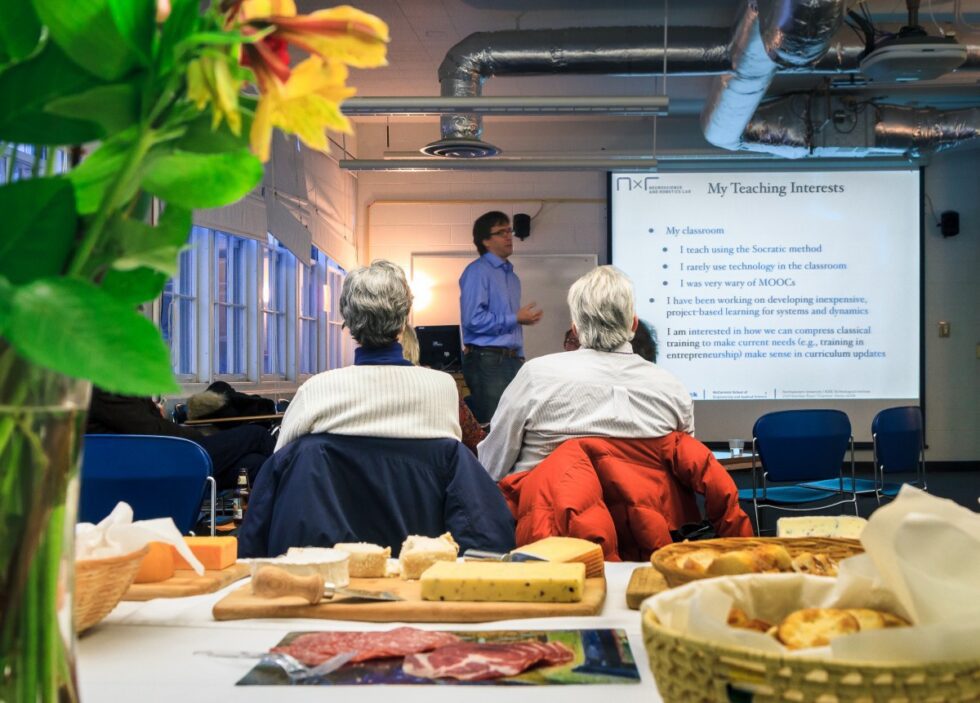
    “Lunch & Learn” events are training sessions, voluntary for people, or presentations that take place during lunchtime and where food is provided by the employer or by the organisation. So, They bring people together from companies or organisations to collaborate to learn, improve skills, and develop leadership. 

    WHAT’S IN IT?

    What is a lunch & learn event?

    Lunch & learn are also known as “Brown bag” Brown bag means when a person packs his lunch for work. Also, Brown bag originally referred to employees who bring their lunch in brown bags. Hence, It’s an informal opportunity for employees to learn something and improve their skills. 

    If you attend the launch and learn event then you probably learn, improve or believe something.

    lunch and learn

    Here are some essential things you should know about it. 

    Each session lasts for 30 and 45 minutes. People call it lunch and learn because it takes place during lunch. During this session, employees learn and improve their skills, which is very useful for their growth. Like, Fitness skills, drawing, reading skills, and many other things. 

    If you’re thinking about how you could do that during your lunchtime, it’s simple. So, Most of the companies give 30-45min. For lunch to them and if you eat your lunch in 15-20min. You still have 15-20min. To improve your skills, you can eat your lunch after the sessions or before it.

    Also, People bring together people from across their organization. Hence, By getting more people in it, the more healthy or problem-solving environment it can be. So, More ideas will come; more discussion will happen. 

    How it happens and the Purpose of lunch & learn.

    If you watch movies and shows, you may understand what it is because of that picture. Also, I must tell you; It’s not about a bunch of junkies (drug users) that they show most of the time. 

    Sometimes people come because they want to talk or want to tell their problems, and sometimes people come with the ideas they are trying to do while other people support them. 

    A lunch and learn program is a 30-45 minute training or presentation session facilitated by an organisation to employees during a lunch hour, and acquiring an easy way to develop and motivate employees while creating a workplace of communication, collaboration, and learning. 

    Why do employees do that?

    So, The organization provides an amicable, collaborative choice to traditional “top-down” or classroom-based learning. In this way, it encourages learning and prepares them to be knowledgeable.

    Also, They start to feel confident and begin to trust themselves. This can help or improve teamwork and provide a relaxed atmosphere. Lunch & learn sessions offer flexible time, which means it doesn’t take their work time. 

    So, employees come, share their ideas or even problems, and talk about what they are best at, and others tell them to do what they are best.

    Use Light topics. 

    So, Always Try to cover light topics between lunch hours. You should know that it’s their lunchtime and want to have fun and not want to work. Because of that, always try to cover light topics, don’t let them feel that their time is wasting. 

    Here are some examples of light topics- 

    a) Bookclub: Ask everyone to read the same book for months and then meet and discuss their direct messages and what they think. 

    b) Informative talks and lunch: It’s an excellent idea for lunch and learns sessions. Also, many opinions on the internet could be helpful if you use them in your lunch

    c) Cross-training: Invite staff members to train other staff members on day-to-day lunch timing; Hence, it’s an idea for people working in the same company but in different departments. 

    Energetic in Afternoon time: 

    They all know that eating right is Good, but most don’t eat healthily in day-to-day work and find themselves lazy. But still, how to be energetic is a question to them. So, To be honest, It’s not rocket science, and it just depends on what you eat. Eat healthily and do exercise 3-4 days a week, and you will find yourself more energetic. 

    Teach time management and deadline management. 

    People are bad at managing time; whether within their personal or professional lives, managing time and meeting deadlines are essential for employees to learn. Planning out a workday and successfully achieving that goal on-time helps to reduce stress. If employees do their work on-time, they secure their job and have more time to develop professionally or personally. 

    Effective time management is also beneficial to yourself and your boss, or you have a business because when service reps meet a daily quota and you do more work. By that, you will observe immediate success and happiness. 

    Know how many people are coming.

    The first thing you should do is decide whether it’s for targeted people (especially if you invite them) or open to everyone. 

    You ask people to respond quickly in both cases to know how much people will be coming and plan accordingly. 

    Choose an appropriate venue for it. 

    Try those areas with eating facilities, Café, breakout spaces, canteens are more popular venues for lunch and learn events. 

    people doing lunch and learn in a cafe

    Sometimes, you may choose to go off-site. If so, research and know if that place is noisy or not and double-check your Venue and book it in advance. 

    How many times in a month? 

    In most of the organisation, lunch and learn program are conducted regularly. For example, weekends or weekly Friday are more popular for light topics. 

    But if your sessions are more about improving skills or business-oriented, Monthly meetings will reduce the learning. 

    Is it beneficial? 

    Most of the people or say employees don’t even know about lunch & learn events. They are missing the most important and unique thing to improve their skills. 

    Lunch and learn is an easy way to develop and motivate employees while creating a workplace for employees, collaboration, and learning. The session may also cover important topics or issues and promote an open, informative platform for employees. 

    How to make lunch and learn more engaging?

     It is all about people who have or may haven’t even met before, and they talk about their ideas, improve their skills and talk about problems, but the question is how to make it more engaging? 

    At lunch n learn, ask people to tell jokes about the funniest jokes they have ever heard or have a drawing Competition or give them colour books or offer them to make themselves a meal. 

    Ask them to dance with strange people. It’s more fun and mind relaxing. 

    What should we serve for lunch and learn, or what should we order something for them? 

    It’s tough to decide what we should serve to people if you make a meal for them. You don’t know what they like, what they are allergic to. Here are some ideas or snacks that you can always serve. 

    You can always go for healthy food by telling how much it benefits them or giving a little bit detail of that food why you are serving that one, especially today. 

    Surprise them: I said it because people love surprises. Offer the meal that they never expected from the organisation. Like- Servings wine, with a loaf of toasted bread and chicken or anything. 

    Order pizza sometimes, and we know everybody loves pizza. 

    Go for sushi sometimes, order burgers and Sandwiches. 

    But mostly try to cook for them or tell them to prepare for people. It’s the best way to create a healthy atmosphere. If you still sometimes don’t know what to cook or serve, just ask them. By this, they feel at home and see that you care about them. 

    Conclusion

    Lunch & learn is an easy way to improve your skills and learning process. You develop yourself in this period. An organisation for employees holds it. Employees volunteer in it to grow and talk about the ideas they have. The organisation provides a very healthy and friendly atmosphere for the employees to enjoy their lunchtime and learn something. 

    If you are going to an organisation Lunch and learn, make sure you use Light issues. They don’t want to stress out, and they want to enjoy their lunchtime. So, always choose light topics. 

    Give them tasks with a deadline. This way, they learn to know how to utilise time; in day-to-day work, time management is essential. Don’t manage your time or yourself and see how much messed up you will be. 

    If you’re going to organise lunch and learn, always know how many people are coming. Prepare meals for them or tell them to cook for people and bring them. It’s vital, so you don’t miss things. 

    The first thing you need to do is understand why you are doing this and organise it accordingly. 

    Also, you can read our blog on How to Start a Day -Manage Morning When You’re Not a “Morning Person”

    FAQ’s

  • Working with Powerful People- Relationship Management Skills

    Working with Powerful People- Relationship Management Skills

    To achieve a certain level of success, you need to be good at your work. But if you want to achieve limitless success in your life, you need to have good relationship management skills to create a bond with powerful & influential people around you.

    Influential people have the experience, the exposure which could uplift your career to the next level. But to get their attention, you need to be good at relationship building.

    Not everyone knows the importance of a relationship with influential people. Those who know they have an abundance of opportunities.

    And those who don’t know just complain there’s no opportunity left in the market.

    Those who’re not good at relationship management skills don’t understand one simple fact that any talent can be learned by doing it repetitively. And networking is also a skill that anybody can acquire.

    Below I’ve mentioned some steps which will surely help you to become a master at building relationships.

    WHAT’S IN IT

    1. Don’t Overthink it; just do it:

    When is anyone trying to start or even think about building a good relationship with powerful & influential people? In the beginning, they all have this feeling, Who am I? Why they even spent a minute with me? I’m nobody.

    Just do it - relationship management skill

    One fact is actually that you’re nobody, but the exciting thing is that influential people don’t care about this fact.

    Influential people love to help people, those who ask the right questions in the small interim & who knows how to build relationships the right way.

    2. Just Be Yourself:

    When you’re trying to build a relationship with influential people, just remember one thing, “Be Yourself.” Those who know the importance of relationships know that they can’t make a lasting relationship with influential people by faking.

    Influential people know who’s faking & who’s not because they have the experience; they also made it through building relationships with the right person & hard work.

    When you are authentic, you create a certain energy; people want to be around you because you are unique.” Andie MacDowell”.

    3. Focus On the Person Whom you’re talking to:

    Those who have a proper understanding of the importance of relationship building will never commit the mistake of losing focus with whom they’re interacting.

    We all don’t like when someone’s talking to you, but his/her attention is somewhere else, their eyes just fluttering around the surrounding except you.

    The same thing will be applied when you’re trying to network with influential peoples. This gives a wrong impression of yours if you being caught doing this because it implies that something is more important than talking to that influential person & you are not good at relationship management skills.

    The most important aspect of building a solid & robust relationship with influential people is never moving your focus from them.

    When you’re communicating with them, no matter what’s happening in the surrounding, people are chattering, or the room is full of bustle. You always need to be present in that conversation, not just physically but mentally also.

    It shows to others that the person is interested in this conversation. Opportunity can come from anywhere; you never know one full-hearted conversation with the higher authoritative person could lead you to your dream job.

    focus listening is a relationship management skill

    So from the next time, whenever you strike a conversation with influential people, be genuinely present at that moment.

    4. First listen & then Speak:

    Nowadays, it’s widespread that when a person communicates with anyone, they always start the conversation by talking about themselves. But if you want to excel at relationship management skills, then you must master the art of listening.

    Don’t rush with your agenda to influential people; they hate it.

    Like if they ask- What are you working on nowadays? And you start your trying to impress speech. Hold on a bit, start your conversation with interesting questions like, whatever you are doing, why do you do it every day? How you got into a position where you’re right now.

    And now listen patiently to what they have to say, you’ll get to know about their interest, passion & their struggles.

    If you ask these types of questions which they very rarely heard of, they’ll get a feeling that this guy wanted to learn & they’ll eventually ask about what you do too.

    And now the time comes where you can seize the moment by talking according to their likes, passion & interest.

    Always try to connect with any influential people humanly, not just professionally. If you’d be able to do this, you’ll go way up top in your life by building a good relationship with them.

    5. Do some Research:

    First, learn & do some research on that influential & powerful person with whom you wanted to work for in the future.

    In this colonial era, knowing about famous individuals or anyone is not a big deal. There are so many platforms like- Facebook, Instagram, Twitter, YouTube, podcasts from which you can keep track of what’s will be their next move or in which city they are coming in next week’s or they’re in a hunt for a digital marketer.

    And if you could provide the value which they’re looking for, then Bingo! Because that’s what you want.

    Start writing an email saying like-

    Dear Mr Xyz,

    I heard that you’re looking for a Digital marketing expert for your organisation. And I’ve worked with Xyz comp. For x years & I would love to add value for you.

    You got the gist, right! Research that influential person you wanted to work for & who knows, the opportunity comes to your door anytime.

    6. Be Honest:

    Do you know what strength is? When you open up to the world that you have weaknesses. We live in a society where it’s a norm that those who have disadvantages & if they share with anyone, then everyone will judge them based on their weakness.

    Honesty is a good relationship management skill

    But the reality is quite the opposite; when we open up about our weakness to others, we can only connect to the deeper level & create a deeper relationship.

    Because everyone has some kind of weakness like some have insecurities about something, some don’t do something due to fear, someone struggled in their life, due to lack of skill in the early days & we all have been in this kind of situation.

    When you open up with your weaknesses, people also find you credible because of your honesty & this will create a common ground for others to connect with you. So don’t try to be “Mr. knows it all” because you’ll get exposed if you fake it. Instead of this, try to become honest about your weakness & it’ll help you create strong bonds with essential people in your life.

    Those who know the importance of relationship-building never shy away from opening up because it’s crucial for good relationship building.

    7. Provide value to others:

    Those who know the importance of a relationship know a straightforward fact that you can’t get from anyone without giving. Nobody has time for anyone until & unless that person has some kind of value to add. Now you know how to reach out to influential people; now you just need to reach out to them & give what they want, like creating content for them, they are looking to expand their marketing team, then send them an email & become a worthy candidate for that.

    It’s not about what you can get from them; it’s about how much value you can give to others—any kind of good relationship built on trust. And one can gain confidence only when they others without any hidden motive or reason behind helping someone.

    And good deeds always pay you back in one way or the other.

    8. Work for Influential Person:

    Suppose you get a chance of working for the most powerful & influential people of your industry & did a great job there. Then one thing is for sure that you’ve opened the gate for being more successful. Why? Because an influential people group also happened to be full of influential people.

    More influential & powerful people constantly surround successful people.

    So if you are good at what you do & if you have worked for one powerful individual, chances are they will take your name whenever other influential individuals compliment or talk about your work.

    Due to this, you will get more exposure & you may even get the opportunity for your dream company.

    9. Believe in your ideas:

    Just building a good relationship with influential people isn’t enough. If you want to make others believe in your work or ideas, then you first need to consider your work more than anyone in the world.

    Just think about it, if you don’t believe that your work or ideas are great, then how could anyone believe in your career or ideas.

    People are intuitive creature, so if you are confident about your work, it will come out to the other person that this person knows what he is talking about & the same thing applies with faking & show-off.

    If you try to lie about your work or ideas, they will instantly know because they become successful with experiences.

    Conclusion:

    To reach a great height, you must involve yourself with more powerful & influential people. There’s a saying- “You are the average of five people you spend the most time with”-Jim John.

    To find influential people in your industry, gather every kind of knowledge about them, try to provide value to them & if they found some spark within you. You’ll find yourself working for them, or they will refer to other influential people.

    So, now you know the importance of relationship-building with influential people can do for you. Apply all the suggestions in your life & soon, you’ll master the art of relationship management skill.

    Also, you can read our blog on How to use Cause and Effect Analysis to Easily Solve any Problem

    FAQ’s

  • How to get more done in less time: 10 simple productivity hacks

    How to get more done in less time: 10 simple productivity hacks

    Everything in the world is according to the time and as a result nothing is free from time. The truth is that life is minuscule in which we have many things to do, but we don’t know how to utilize time. Due to time management, each one of us has the same hour in a day, but some manage to get things done in minutes, but others might take an hour to do what makes overachievers different?

    They know how to play with time, and they do not waste time, they invest time in time in a good way like they read books, they do exercise, and they do every possible thing to achieve their respective goals consequently we should always remember that time is money, invest in it effectively just like that these achievers do this.

    The most vital reason to have proper time management is that in result we can achieve a lot in very little time, so it is essential to make a timetable and complete the work in less time.

    Proper time management allows you to do more in a shorter period, as a result it leads to more

    free time. Therefore, from which you take advantage of learning opportunities, helps you focus, and lowers your stress, leading to more career success. All you have to do is get the cycle started. Each benefit of time management improves another aspect of your life.

    So, Time management works in all aspects of life. Whether it is to run a business, moreover in student life to work more and score more in the future, time management helps in every sector.

    So it is very wise to use time wisely. Most people think they have much time they can do their work later or afterwards, but they Hence, Don’t waste time, which will never come again as, Time is the most precious, so to do more productive work in less time is essential.

    By using the time productively as a result success will come your way. On the other hand if you fail in your work,

    So, the one who properly has managed time gets more time to correct it. So to do more work in less time, it is very essential to have proper time management.

    So, how to implement the time management in your life so that you can achieve more working in less time, well to clarify there are ten strategies by which you can apply the proper time management in daily life.

    WHAT’S IN IT

    1. Know-How You Spend Your Time

    Time Management

    For instance, start by writing down what you are doing for fifteen-minute intervals for a week or two weeks. Above all, maintaining a time log is a helpful way to determine how you are using your time.

    After that check the results. Ask if you did whole things that were needed, moreover judge that which tasks require the most time, check the time of our day when you are most energized, and analyze where is most of your time in your hands.

    Meanwhile, identifying your essential time-consuming tasks and determining whether you are investing your time in the essential activities can also help you to establish a course of action. Also, having a good knowledge of the amount of time required for daily tasks enables you to be more practical in planning and also estimating how much time is available for some more activities.

    2. Set Priorities

    While activities, when they are both urgent and vital, must be done. It suggests that we spend less time on activities that are not important, so, to gain time to concentrate on activities that are not urgent but important. So, Centralizing these essential activities will allow you to gain greater control over your time, and possibly reduce the number of crucial works, so, that need to be done to become great.

    Therefore, One of the easiest types to prioritize is to create a list. When you require a daily, weekly, or monthly record depends on your Life. But just be careful not to allow the record-making to get out of control and do not keep multiple files at the same time. Rank the items on your and make a list in order of priority.

    3. Planning Tool

    In addition, time management masters recommend using a personal planning tool to enhance your productivity. For instance, examples of own planning tools include pocket diaries, calendars, and books. Certainly, write your schedules, tasks, and memory to free your mind to focal points on your preference. Auditory learners may favor dictating their idea instead. So, The answer is to find one planning tool that works for you and use that tool consistently.

    4. Get Organized

    Time Management

    Meanwhile, Most people find that disorganization results in reduced time management. So to be getting well organized is also a tool which leads to more work in less time. It cut down useless, and the time we wasted. It helps to get more productive work.

    5. Schedule Your Time Appropriately

    So, Mostly use the time for your high priority activities first and protect that time from any disturbance. Hence, Scheduling is not recording what you have to do, but It is also making a time dedicated to the things you want to do. So, A proper schedule requires that you know yourself. Using your time, you should have determined those times during the day when you are most productive and alert.

    Draw your most difficult tasks when you have the most potential. Therefore, Block out time for your high priority works first and protects that time from interruptions.

    6. Delegate: Get Help from Others

    Meanwhile, Delegation by identifying tasks that others can do and selecting the appropriate person to do them.

    Hence, Delegation means giving responsibility for work to someone else, freeing up some of your time for jobs that require your expertise. So, Commission begins by identifying tasks that others can do and then selecting the appropriate person to do them. So, You need to choose someone with the relevant skills, experience, interest, and authority required to accomplish the task.

    7. Stop Delaying

    Time Management

    Perhaps the work seems overwhelming or not good. So, You may be putting off work for a type of reason and Try breaking down the exercise into smaller segments that require less time commitment and result in specific, realistic deadlines.

    For instance, If you’re having a problem getting started, you may need to complete a previous job, collecting things, or organizing your notes. Also, try building in a reward system you complete each small segment of the situation.

    8. Manage External Time Wasters

    Meanwhile, Your time may be impacted by external factors imposed by other people and things. But, you can decrease or eliminate the time spent on these activities.

    Like, Telephones use voice mail, and after some time to return calls, avoid small talk and stay concentrated on the reason for the request.

    Take any necessary action immediately following the call, Unexpected Visitors Don’t schedule meetings unless they are required and have a specific purpose or plan, Create a central region for posting communications such as appointment reminders, announcements, and messages etc.

    9. Don’t do Multi-tasking

    You lose time when interchange from one task to another, resulting in loss of productivity. Nowadays, psychological studies have shown that multi-tasking does not save time. But, The opposite is often exact. So, Routine multi-tasking may show difficulty in concentrating and maintaining focus when required.

    10. Stay Healthy

    Premium Vector | Stay healthy lettering

    Scheduling time to rest can help you renew, both physically and mentally. Hence, The care and attention you give yourself is an essential investment of time. Scheduling time to modify, or do nothing, can help you renew both physically and mentally, authorize you to master tasks faster and easier. Meanwhile, Learn to manage time according to your biological clock by scheduling priority jobs during your summit time of day, So, the time your power level and concentration are at their most.

    Hence, Poor time management can result in moodiness, fatigue, and more frequent illness. So, To reduce stress, you should prize yourself for time management success. Most importantly, Take time to recognize that you have accomplished a significant task or challenge before moving on to the next activity.

    Now it is imperative to do the work smarter than working hard, so we need to do more work in less time, so the very first thing to do for this is:

    A. Obligation scheduling

    If you can’t just inwardly plan to get things done. You have to calendar what you are going to do and when you are going to do it. Then you must make a meet with yourself and keep it as if it were a dinner with your top client.

    B. Effective efficiency

    So, Efficiency means that we do the best task possible in the least amount of time. Firstly, you need to know how far a task will take. Secondly, you need to control if you can reduce that time without losing quality.

    Meanwhile, Getting up at 5 a.m. has better health and productivity: it’s not enough to just plan. You need to be exact about the amount of time the task takes. Keep track of how particular long actions take and work towards shrinking the time without losing quality.

    D. Present focus

    Hence, The most significant opponent of productivity is a distraction. The ability to stay active seems almost hard in today’s world. You do schedule efficiently and still lose because your mind drifts or calls, or an email pulls you away. Staying in the “now” and the present will increase your productivity.

    Conclusion

    So I conclude here by saying that use times in a very productive way so in the future you can get more time to do many things. If time passes, it will never come again, so use your time wisely.

    Also you can read our blog on How to Keep People Satisfied?

    FAQ’s

  • What Is Program Management? 7 Types And 4 Core Values Of Program Management.

    What Is Program Management? 7 Types And 4 Core Values Of Program Management.

    Imagine you have two projects that are related to each other.

    For example, you need to build a business website for a coffee shop and also you have to run a marketing campaign. 

    In conclusion, both the projects are related to each other under Program Management, now you have to structure the plan as a part of the program. For example, you group related projects as a program.

    So, When you group related projects as a program. As a result, you use specific tools, skill management techniques, knowledge to manage the program.

    It is common to see non-structured program management teams performing comparatively weaker than well-structured teams because of lack of guidance.

    Hence, A project can be of any size and is present in almost every industry.

    A project manager may face difficulty in supervising the projects make sure that the project meets the requirements and quality.

    You as a project manager and your team must understand few things such as project goals and objectives, their challenges, and using correct tools technology, and resources for the project.

    WHAT’S IN IT

    What are the three types of Project Management Structure?

    What is a project manager responsible for? Here's everything you need to  know - TechRepublic

    The matrix Organization structure is further divided into the Balance matrix, Strong Matrix, and Weak Matrix.

    1. Functional Organizational Structure

    2. Matrix Organizational Structure

    3. Projectized Organization Structure

    Functional Organizational Structure

    Functional organizational structure components are arranged in a hierarchy system, i.e. ranking things from top to bottom based on their importance, power, etc.

    The project manager manages decisions such as budget, schedule, equipment on an authority-driven basis.

    Now, projects are broken down and divided based on different departments such as the sales department, marketing department, development department, etc.

    In this type of project management structure, the work could become repetitious, eventually leading to a lack of creativity.

    As a result, it can lose employee loyalty towards the organization. This might affect decision-making in the wrong way.

    On the positive side of the functional organizational structure of project management, the employees mostly appear to be more skilled and experienced in their departments.

    A matrix-type of Organizational Structure

    Depending on the type of matrix structure being run, Matrix Organizational Structure falls between Functional Organizational Structure and Projectized Organizational Structure.

    If an organization is functioning in a dynamic environment, then a matrix organizational structure might be the right type of project management structure.

    As it helps in responding to customer’s demands or the changes occurring in the market at a faster rate.

    This is because the present project manager does so in a vertical manner that flows downwards; meanwhile, the trained project manager exhibits the project in a horizontal way.

    Matrix Organizational structure has significant similarities with project organizational structure in a manner that the project manager is responsible for a project. 

    But, if the organization is functioning on a week matrix structure, the project authority and responsibility would fall on the shoulder of the functional manager.

    Furthermore, in a balanced matrix organizational structure, both the project manager and functional manager share equal authority for any project they are working on.

    Projectized Organization Structure

    Even though the organization might still group staff according to their work function, but project organization structure is entirely on the opposite side of functional organizational structure.

    In such a type of project management structure, the project manager has full authority, i.e. he has control over the budget, schedule, and other terms of the project.

    He usually resides at the top of the hierarchical structure, performing supporting roles for the project with his team members.

    On the positive side, this kind of structure establishes a line of authority very clearly that results in faster decision making and approval process.

    It enhances better communication and helps the members gain more experience because they tend to work on different projects as the need arises.

    However, there is also a negative side to this structure of project management, i.e. employees can be under constant pressure if they are working on multiple projects. 

    This often leads to bad communication between team members because everyone in some way or other is playing “catch-up”.

    Difference between program management and project management? (Project vs program) management

    Program Manager Vs Project Manager

    A program manager mostly handles multiple projects and sometimes even more than one program.

    Whereas the project manager manages the team that is responsible for completing the project and delivering it.

    Generally, a program manager has higher responsibilities than the project manager.

    The thinking pattern of a program manager is more strategic, whereas a project manager is confined with day-to-day tasks on a more distinct level. 

    Projects are confined to a limited time frame or deadline whereas programs are more focused on long-term-goals and as a result last till a longer duration.

    Projects have a definite budget within which the project manager needs to accomplish the project.

    On the other hand, the financial planning of programs are much more complicated.

    They involve of multiple-level management in project governance. However, the decision-making process is not as formal.

    Whereas in projects, top-level management is associated with the project that helps to bring more authority and control in solving company-wide problems.

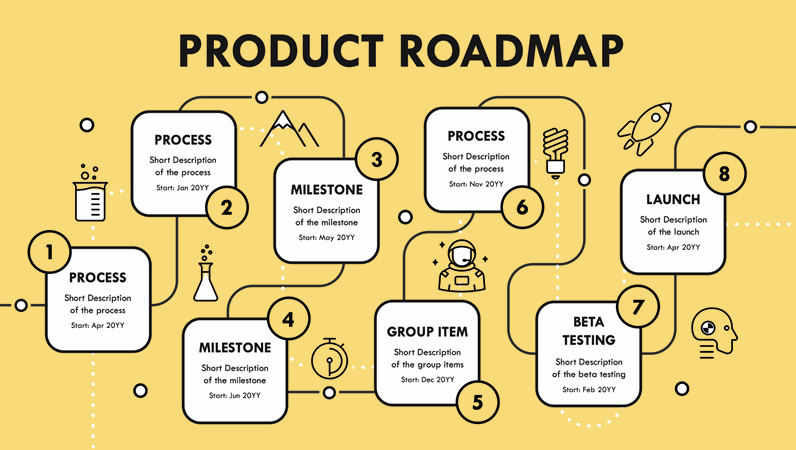
    Project managers plan in detail, by building a roadmap to accomplish the project.

    However, program managers visualize a complete picture comprising of functions and forms of the program, organizing multiple projects within the programs.

    Types of project management

    Every type of project management has one end goal, i.e. to meet the customer’s needs and requirements and deliver the product, that can be done with a different approach.

    Below I have told you about 7 types of project management that are most commonly and widely used throughout organizations.

    1. Waterfall 

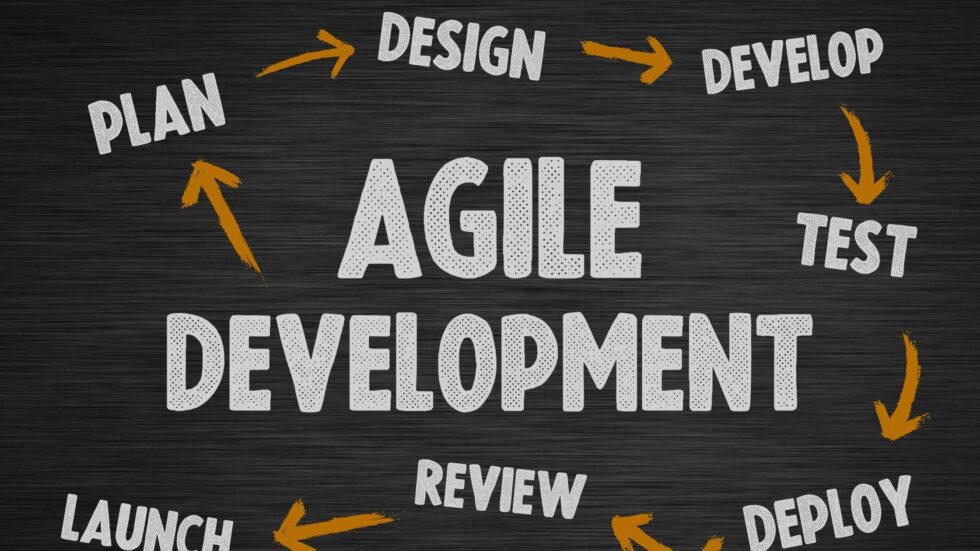
    2. Agile

    3. Scrum

    4. Kanban

    5. Lean

    6. Six Sigma

    7. PRNCES2

    Waterfall

     It is a traditional type of project management. 

    Waterfall focuses on the concept that one must complete the previous or current stage of development of a project in order to move forward, i.e. on the next development phase.

    It can prove to be useful to have structure or predictability.

    Agile

    Unlike waterfall, agile is a faster and versatile type of project management.

    It is centred around a mindset that welcomes changes and is focused on engaging everyone to achieve a better and creative result.

    In agile, the result might be very different from the visualized result at the starting of the project.

    It comprises of 6 significant steps and 4 core values that guide you on your way.

    Scrum

    Scrum is similar to agile; it is fast, considerably small in scope, and can turn on a dime. It is mainly about sprints to accomplish any given project. 

    Sprint simply means the small pieces of a project that are performed in this process, i.e. a big project is broken down in small pieces and is completed in short sprints of work.

    Kanban

    It is another variety of agile project management. By all means, it is focusing on the organization.

    Kanban focuses on streamlining, i.e. minimizing the number of tasks that go into any process.

    It is generally beneficial for organizations whose output doesn’t very typically.

    It is operated on 6 general practices, namely:

    • Visualization
    • Limiting work in progress
    • Flow management
    • Making policies explicit
    • Using feedback loops
    • Collaborative or experimental evolution

    Lean

    As the name suggests, it primarily focuses on cutting off the fat, i.e. providing maximum value to the customer while using a minimum amount of resources possible.

    It is similar to Kanban but to put it another way it lays more emphasis on streamlining the waist and unnecessary steps, leaving the customer with the affordable, best product in a shorter period. 

    Six Sigma

    Back to Basics: Six Sigma | 2018-01-01 | Quality Magazine

    It straightaway focuses on improving the quality of any product.

    In this process, it locates the problems and errors, i.e. what is not working and removes them from the process.

    This can be useful to you if you underwent a lean project management model and arrived at a result that does not meet your satisfaction.

    You can use six sigma-model to improve the result and deliver a better product.

    PRNCES2

    It is commonly seen that the PRINCES2 method is using by private sectors and focuses mostly on both efficiency and minimizing risk and errors.

    This is a detail-focus method focused on braking projects into product-based divisions which are handled one at a time, ensuring everything remains in its determined place.

    CONCLUSION

    Here, I have told you about

    What is project management?

    Talked a little bit around it and shared a basic idea about project management. Also learned that different projects are grouped to make a program.

    Also, What are the three types of project management structure? And discussed 7 significant types of project management.

    And lastly shared some differences between project management and program management.

    Also you can read our blog on Complete Guide On Agile Project Management With 12 Principles 4 Core Values 6 Steps

    FAQ’s

  • Complete Guide On Agile Project Management With 12 Principles 4 Core Values 6 Steps

    Complete Guide On Agile Project Management With 12 Principles 4 Core Values 6 Steps

    Agile Project Management is a different approach to project management.

    This approach to project management allows you to make a small division of tasks making it manageable in short sprints.

    Hence, We are allowing you to be flexible and adaptive with changing demands of the project.

    So, Agile Project Management is standard in businesses related to software companies or marketing. With time across various other industries.

    Hence, This method is suitable for making changes in the process of development of the project as it is based on review and improvement cycles.

    In agile methodology, the result may be different from the predefined idea of the project.

    As there are many improvement cycles in the development process. These also help in avoiding large scale-failure.

    WHAT’S IN IT

    4 Core Values of Agile Management

    Agile Manifesto: Understanding Agile Values and Principles

    1.  Individuals and interactions over processes and tools

    Without a doubt, it can be easily understood that people are more valuable than any process or tool in any business.

    Because if any problem arises, it is less likely that the tools or process will adapt automatically to solve the problem or handle the problem.

    Instead, it is the people who will be more likely to adapt, change and tackle the problems.

    It is essential to realize that humans and technology altogether will make your business grow.

    That is why relying specifically on tools or process make you less adaptive day by day.

    2.  Working software over comprehensive documentation 

    So, It takes a lot of time and it was difficult to maintain a lot of documents even all the previous records.

    Hence, This extensive amount of data and documentation was often a burden for the developer.

    Agile project management does not necessarily focus on completely removing documentation, but instead, it focuses on streamlining it.

    It provides particular information that is necessary and optimizes the data.

    Hence, not over-burdening the developer and enabling him to work with a clear mind.

    Agile manifesto values software more than documentation.

    3.  Customer collaboration over contract negotiation

    In the negotiation process, the customer discusses the details of the project and its delivery with the project manager, in the process, aspects get renegotiated later.

    Customers often negotiate the details of any project with the project manager in great detail before the project.

    Meanwhile, With the purpose in mind to convey the message as clearly as possible.

    In agile management, the customer is active, i.e. collaborating throughout the development process of the project, making it comparatively more accessible for the project to meet customers’ expectations.

    So, You can do this if you involve your customer on a timely basis with your project in its development phase.

    Whether internal or external customer, you can involve them in making the product better and more useful. 

    4.  Responding to change over following a plan

    For instance, In a traditional project, management changes are considered bad for the business.

    Because it was a considerable expense, and with this in mind, You can change by avoiding them.

    In an agile project, management changes are not seen as an expense and instead considered as a necessity to improve the product with time for being more useful and valuable.

    Hence In the agile manifesto, the project is broken down into small sprints.

    To review simultaneously, and necessary changes are built along the process.

    So, This facilitates constant improvement and changes, making it more useful, as features can be added to every sprint, avoiding any large-scale mistake or expensive modifications.

    12 Principles of management methodology

    Basic Business Principles

    Hence, These 12 principles of agile management methodology will act as your guide in your decision making.

    In brief, these 12 principles will help in forming a culture that is primarily focused on welcoming changes and by all means, keeps the customer in the focus.

    Following are the 12 principles of agile project management:

    Customer satisfaction-early and continuous software delivery 

    Our highest priority is to meet the satisfaction and needs of the customer by early and timely delivery on software or anything you deliver.

    Customers are happy and satisfied when they get their products regularly and timely. They don’t like to wait for a very long time.

    Accommodate changing requirements throughout the development process 

    This simply refers to the culture of welcoming changes when it is needed or demanded by the customer.

    And the ability to deliver the demanded changes without any delay in time gives a better competitive edge and trustworthiness.

    Frequent delivery of working software 

    This principle focuses on software development projects with a system to deliver regular and frequent delivery of software varying from a couple of weeks to a couple of months.

    Collaboration between the businesses and developers throughout the project 

    Often there are better results when businesses and technical developers work together in collaboration.

    Coordinating teams should work together through the process for better outcomes and a higher level of satisfaction.

    Support, trust, and motivate the people involved 

    Without a doubt, it is a well-known fact that motivated individuals and the team will come up with much better ideas and solutions when compared to any individual or group that is not motivated or unhappy.

    This is why it is essential to provide the teams with a proper environment and give the necessary boost so that they give their best.

    Enable face-to-face interactions

    The most effective and efficient way of communication is face to face communication as your tone only plays a 7% role in communication.

    This is why it is essential to communicate face to face with your team to explain better and avoid misunderstanding.

    The end working product is the primary measure of progress.

    Your progress is primarily measured based on your delivery of the final product to the customer.

    And, whether it can meet the customer, needs, and satisfaction with all the features and changes that the customer demands.

    Agile processes to maintain a consistent development speed

    The agile process simply means that the teams maintain a constant speed to keep up with the changing needs and demands of the customer.

    And the market and continuously improving and delivering the better version of their product on a timely and regular basis.

    Technical detail and design enhance agility. 

    Another critical point is that monitoring and maintaining proper technical details and focus on design enables easier integration and acceptance of any change in the product.

    Thus, making the product more useful and helpful.

    Simplicity

    This means that you need to focus on developing those features that are enough to get the work done, do not overemphasize on extra unnecessary features.

    Most often, customers don’t even use those extra features that you spend the most amount of time and resources in developing.

    Self-organizing teams encourage great architectures and designs. 

    Self-organizing teams those who take ownership of their work and are motivated to work better and communicate properly.

    And regularly always deliver better quality products or results comparatively.

    A regular process on how to become more effective 

    Self-improvement and regular improvements in processes of development and other crucial areas lead to better efficiency and growth in every field of project management.

    6 steps in the Agile Management Methodology?

    1. Project planning

    Similar to any other project, before starting any project, it is very crucial that

    you and your team correctly understand the impact and value of the project on the business or end consumer.

    As well as remember that you are adopting agile project management methodology.

    This means that you must be able to address and welcome any change in the development process and easily modify it. 

    The results in agile methodology may be very different from the planned result at the beginning of the project.

    2. Creating a product road map

    Product roadmap timeline

    This is the proper breakdown of all the planned and demanded features that you are required to deliver in the result to your client.

    You will develop these features systematically and step-by-step in each sprint of work and simultaneously develop a backlog, i.e. a list of all the features that are to be delivered in the final product.

    3.  Release planning

    Unlike traditional waterfall project management in agile methodology.

    The project is developed by short working cycles known as sprints, and at the end of each period, there is a separate featured release.

    4.  Sprint planning

    Before starting any spring, the project manager needs to conduct a spring planning.

    To determine what will be accomplished in each spring and what tasks are to done y whom and when.

    5.  Daily stand-ups

    You hold these short daily stand-up meetings which do not extend more than 15 minutes.

    These are managed by standing up to keep it brief and short.

    These meetings will be conducted daily to summarize what they have accomplished the day before, and what are their today’s goals.

    After that, you should not extend it to a problem-solving session.

    6.  Sprint review 

    To improve the product and better meet customer needs and satisfaction at the end of each sprint, conduct a meeting with your client.

    Discuss three main questions with your clients 

    • What went well?
    • Secondly, what went wrong?
    • Finally, what could be better?

    This enables your team to understand the clients and requirements better and strengthen the relations between them.

    Conclusion 

    Here I have discussed with what is Agile Project Management and who uses it and how it is beneficial.

    Also, what are the four core values of Agile Project Management that will act as your guild in decision making in your project management?

    I have also talked about the 12 principles of agile methodology and 6 steps that are adopted in this method of project management.

    Also you can read our blog on A Step-By-Step Guide To Learn About Project Management, Top 15 Skills You Need To Master.

    FAQ’s

  • A Step-By-Step Guide To Learn About Project Management, Top 15 Skills You Need To Master.

    A Step-By-Step Guide To Learn About Project Management, Top 15 Skills You Need To Master.

    Firstly, To understand what is Project Management, we need to know about the term project. So, a project is unique and is defined as a set of operations designed to achieve a goal successfully.

    The steps involved here are planning, monitoring, controlling, and reporting, i.e. managing in simple words. So, The person who is leading the project is known as the Project Manager. 

    Generally, Project Management is a broad term that includes several related disciplines like scheduling, resource management, planning, risk management, etc. Which are essential to meet the requirements to accomplish the task.

    WHAT’S IN IT

    WHAT IS PROJECT MANAGEMENT SOFTWARE?

    Best Project Management Software

    Project management software is a specific software used by project managers (PMs) to monitor, control, and manage projects.

    So, this software is helpful in planning, scheduling, assigning resources, collaboration, etc. Using this software, the projects can be completed on time and also under a suitable budget. Hence, it helps you track your project, delegate tasks, and promotes better communication.

    WHAT IS PROJECT MANAGEMENT LIFE CYCLE?

    The project management life cycle initiates a prominent process for successfully delivering a project.

     If the project manager and the team can grasp the 5 necessary phases of the project then, they can have a good grip on the project and can track how its work is going from time to time.

     Let’s talk about the five phases:

    Initiation:

    However, there is the first and foremost step of the project. Here, the need for the business is identified, and an idea is developed by the team. Which determines what the project is all about and also what it is going to deliver and how.

    Afterword, The objective of our project which will solve the primary problem is determined. The parties, like the stakeholders, team members, etc get together and decide the goal schedule and also process of the project. 

    Planning:

    The next phase is planning. Here, the whole project is broken down into small tasks then, a schedule is prepared for the completion of the tasks.

    Here, The total time needed to complete them is estimated, the output is visible, and that one task is interdependent on the other.

    A workflow diagram is created and the budget and financial plan are estimated. Also, the gathering of resources, anticipating risks, and potential quality roadblocks are discussed.

    These things give blueprint of work until the project reaches its conclusion.

    Execution:

    Execution is the third phase when all the planning and initiating comes into action.

    Therefore, the job of the project manager is to keep the project management life cycle on track and make sure the work is done according to the planning made with utmost sincerity.

    He also has to deal with risks that may come in the way and incorporate changes in the plan accordingly.

    Time management is a significant factor as effective time management leads to higher productivity and better result.

    A regular check on the budget should be kept, as it is the baseline of the project. Along with the quality delivered because if the quality of the project is not desirable, then the project is of no use. 

    The project manager must keep an eye on the work done, and continuously monitor the performance as per the planned performance, which will help in controlling the budget and maintaining the schedule.

    Reporting has a leading impact on the project as it allows the manager to track the progress, get the required data to present to stakeholders, and customize the report to get the desired data.

    Closing phase:

    Project Closing Phase: Do You Know the 8 Steps for Closing a Project?

    In this phase, the team needs to produce all the deliverables. It marks the final closing of the project.

    Lastly, to make sure that the project is completed and there are no last-minute changes, everyone gives their signature as an agreement.

    Also, the project manager or a dedicated admin cross-checks all the documents, contracts, and make sure that everything is perfect.

    A post mortem of the project is done to distinguish and choose the methods that worked and also those that didn’t.

    If there is any resource left, then it should be saved for future projects.  

    The triple constraints

    In project management, triple constraints are the pillar to success. It means time, scope, and cost. If these three pillars aren’t managed well, then you may face a significant problem.

    TOP 15 SKILLS NEEDED BY PROJECT MANAGER

    Leadership:

    Leading and managing your team to achieve the goal successfully and in a profitable manner is a very vital skill one must-have. Leadership is not only crucial in project management but in various other fields.

    It is an essential skill which will get you ahead in life irrespective of your industry or field.

    Scheduling:

     Scheduling is the essential project management skill that must be present in a project manager for the sake of flourishing in a task. 

    Cost control:

    Effectively and efficiently accomplishing a project within a tight budget is not everyone’s cup of tea, and it requires excellent skills, else you may face a lot of problems.

    Risk management:

    Risk is uncertain, and thus it is much disliked by project sponsors. So the only way here is to be good at risk management which will also keep you on top of your project. 

    Critical thinking:

    It is one of the essential skills that must be in a project manager.

    Critical thinking simply means thinking in-depth about the pros and cons of each decision made and other essential things, like looking into the matter from all angles to get an appealing outcome. You may need some practice to master this.

    Communication:

     Excellent communication promises good outcomes.

    There are many platforms available online apart from traditional offline communication like the internet, office meeting, newsletter, email, online conferences, etc. Using them for your benefit is regarded as smartness.

    Research skills:

     It is an essential skill that allows the project manager to fill any gaps in knowledge. He must do thorough research before making any decision as wrongful decisions will lead to failure.

    Contract management:

     Managing suppliers is another significant skill that adds on to the better result.

    Coaching:

    What is a Coaching? Meaning and definition - Full guide 2020

    You need to understand that everyone with whom you are working is not well equipped with project development experience.

    This is why you need to teach them with high skills to bring the best result out of them.  

    Task management:

     The project manager should be able to delegate tasks to team members according to their level of knowledge and ability to perform the task given.

    Meeting management:

    The meetings should be short and effective. The project manager must look forward to sticking to the schedule without wasting the time of other parties. He should be able to notice when people aren’t paying attention by studying their body language.

    Patience:

    Having patience is one of the essential qualities that a project manager must-have.

    Because only keeping patience will allow him to think calmly even in a tough situation and will be helpful for the team to accomplish the task efficiently.

    Organization skills:

    Project manager to ensure smooth work & common goals of the team members must possess strong organizational skills. 

    Motivation:

    In persuading a task, there will be hard times, and team members may feel demotivated. So during those times, the project manager must keep them motivated towards completing the project accurately. 

    Adaptability:

    It is a significant quality of a project manager because he is leading the whole team.

    It means you as a project manager should be open-minded on changing technology, to use them successfully in any project.

    CONCLUSION 

    Here I have talked about, What is project management? And also spoke about 5 major project management life cycle which are Initiation Planning, Execution, Closing phase, The triple constraints, and provided a necessary explanation about them.

    Also, I have shared the top 15 skills that you should build if you want to be right in project management which are: Leadership, Scheduling, Cost Control, Risk management, Critical thinking, Communication, Research skills, Contract management, Coaching, Task management, Meeting management, Patience, Organization skills, Motivation, Adaptability.

    To understand the concept of the project, project management, management processes, build skills that will be beneficial for you.

    There is much more to learn to keep growing in any field of your life. One must always keep learning and upgrading oneself only than you can move forward. Be open to changes and new things always to keep your learning curve positive.

    Also you can read our blog on Hartnett’s Consensus Oriented Decision-Making Model (CODM)? What Are The 7 Steps Of CODM

    FAQ’s

  • Team Management Skills building in 22 ways

    Team Management Skills building in 22 ways

    Team management skill is the ability of a leader to monitor and coordinate a group of individuals to perform a task and achieve a result.

    A lot of you would-be entrepreneurs; you would be project managers, project leaders, department managers, divisional managers, or the directors of the organization.

    Whether you are in a small startup or a big company, you will always want your organization to scale up. Performing in a team is the best way to achieve maximum results in a minimum time frame. And the most important role in making this possible is of team manager.

    So, here are ways to manage performance and maximize results with your team. Make sure to follow them.

    Team management skills

    WHAT’S IN IT

    1. Identify “Top Goals”

    Firstly, this is important because an organization running in different directions can never achieve excellence; and consequently, never manage performance and maximize results.

    If you want to manage performance and maximize results, then you have to link every department of the company to the organizational goal.

    2. Manage the team to meet the goal of the organization

     This is about identifying the past reality and current reality, not about results expected. Identify the direction with the previous track and patterns in which your team is moving.

    3. Create ‘Performance Metrics’

    Create a clear performance metrics for every department. Work should be done in terms of quality, not in terms of quantity. But you have to help every department/employee to find out its metrics and convert them into measurable performance. This is important because unless you cannot measure, you cannot improve.

    4. Identify ‘skill deficit.’

    Team management skills

    You have to identify the skill deficit of each team member. For this, you have to take individual meetings and determine what changes are required in their training.

    5. Opportunities for improvement

    You have to discover opportunities for their growth and discuss with them to create an individual professional development plan. 

    6. Ask Solution-oriented questions

    Start asking solution-oriented questions. For example: How are you planning to contribute to the main organizational goals? This will inspire him to think about company improvement.

    7. Find game-changing ideas via employees

    Ask the employee to come up with a great idea for his department to achieve organizational goals. This is an Empowering activity to engage employees. This creates retention in an organization as people start felling involved. And involvement is directly proportionate to commitment. Hence commitment of employees increases. Committed employees are the real resource. Remember that Henry Ford used to say,” Take away my entire organization, take away my machinery, take away my whole plant but give my top people to me, I will come back in five years, and I will come back even better.

    Team management skills

    8. Give the Feedback in Future tense

    Never repeatedly discuss the past mistakes of your team member. This will only spoil the present and future. Reduce your offerings of correction to your employees. Correct them in future tense and give them future action plans.

    9. Measure their performance

    You have to help employees to create their scoreboard and maintain it. And it should be visible to you also. This is a powerful tool that helps in knowing currently that I am winning or losing.

    10. Trust-correction rule

    Before telling any correction to the employee, the first talk about any specific good thing they have done in their past. Then talk little about correction. You have to invest trust in team members because to gain confidence, you have to extend trust. First, Extend trust, then offer correction and then again glorify him. This will give the member more enthusiasm.

    11. Communicate with your team

    Being a team manager, you have to handle many ones to one meeting, but they should be fruitful. 

    Keep brainstorming sessions with teams. Become an active listener during the meeting helps in avoiding mistakes and misunderstandings between the group.

    12. Communicate outside your team

    If your boss assigns you and your team a task, then don’t feel afraid to ask him multiple times what he exactly wants. Take full time to understand your boss. Before asking for advice from your boss, make sure that you have thought about that as far as you can. 

    Protect your team from unnecessary pressure, and negotiate for additional resources for them.

    Manage your team how they communicate with other concerned groups.

    13. Manage time discipline

    You have to manage time discipline for yourself and your team. This is the most difficult part as sometimes it depends on external factors. But internally keep a check on employees for timing.

    Don’t take direct action for not giving results on time; instead, the first talk in private and know for the real reason. Talk to him if it affects the work of any other coworker.

    14.Update yourself

    Do not rely on your current knowledge and technical skills. It is necessary to develop your professional skills and people skills. Keep reading self-improvement books such as “how to win friends and influence people.”

    15. Organize the space

    Always have a clean workspace with proper charts and boards. If you struggle in keeping these things, ask for help from your team. It will help in keeping the team on the same page.

    16. Industry skills

    Teams do not respect the manager, who does not have much technical knowledge. It is the same as having a captain of a ship who doesn’t know how to sail. This doesn’t mean that he should have top-notch knowledge, but; simply, he can make the goals meet within the timeline. 

    17. Confidence

    6 ways to boost your confidence as a teacher

    First of all, the leader should have the confidence of knowing himself the best. You should understand your strengths to use them better. To achieve this, get out of your comfort zone.

    Attend a motivational seminar or movie with your team weekly or monthly.

    18. Be Fair

    Employees hate it most when a leader shows favoritism towards a particular person. This acts as a poison in the team. If you like some members, ten create professional boundaries. 

    19. Respect the team

    Being a good leader doesn’t mean always getting yes answers from members. Ask others for their opinion and respect them even if you disagree.

    20. Identify strengths

    To begin with, first, identify the strength of each team member and make him responsible for that particular work. Then apply individuals’ strengths to achieve overall teams’ goals. Help them knowing each other’s straight and suggest them to take advantage of each other’s skills.

    21.Team building activities

    In brief, these are simple outdoor or indoor exercises performed by the entire team to build trust and understanding between them. Particularly, The human Knot is a team-building activity, and this game allows members to be comfortable with each other as it includes physical touch.

    Also you can read our blog on How to Build Trust inside your Team

    22. Guide by example

    This is the most important role of a team manager. Instead of imposing rules and giving orders, the leader should inspire others by walking on the path himself. 

    CONCLUSION

    In conclusion, Team management requires skills of teamwork, communication, appraisals, respect, confidence, and knowledge. To be a good leader or manager, one should master these skills.

    A leader should be a democratic one and who consults all before making the final decision.

    Also, We should let conflict come in the idea as it drives discussion.

    FAQ’s