Category: Productivity

  • What is stress? How to manage stress?

    What is stress? How to manage stress?

    Stress has become a part of life these days. Starting from a young teen to really old adults, everyone is under stress. even you can notice that really young children are suffering from stress.

    Why is it so? Is it because of modern life, the era we are living in? Because it was not the case a few decades ago. Back then stress was part of only a few peoples life, but nowadays it is part of everyone’s life.

    The thing that we should actually stress about is that people are ignorant about stress. Stress is considered a headache, that now it is thereafter a few hours it will be gone. This is a very wrong practice.

    Stress can actually become the cause of various other mental and physical illnesses.

    We need to understand one thing that, stress is not a disease, but it can become the cause of various other diseases because your body and your brain respond to various stress triggers in various different ways or rather various different negative ways. A recent medical study showed that ninety per cent of illness is stress-related. This is how dangerous stress is.

    WHAT’S IN IT

    What is stress?

    manage stress

    Stress is your body’s way of preparing for danger or a situation. This happens when your body senses some sort of threat. Basically what happens during stress is that your body starts preparing itself either to fight or face the situation or to escape from the situation and reach a safer position. The situation can either be something that is going to take place in future or it can be an imagined one.

    Stress is a part of life, not all stress are bad. Stress can also come when you are for example trying to win a cricket match and you have to score 20 runs and you have just one over left with you. This stress is not harmful, in fact, this can help you achieve your target by making you more active during that time. Sometimes stress can help you achieve something which seems impossible in the first place but this doesn’t mean that stress is good. Beyond a certain point, stress can be very dangerous for your body and mental health.

    Reasons for stress

    There can be many reasons for stress but broadly they can be classified into 5 heads:

    Stress at work: Stress at work is normal as there are many situations where you feel a little stressed like having a presentation or having a meeting with a new client can make you stressful but excessive stress is harmful and it can also affect your productivity and performance. So, manage stress Carefully.

    Job lost and unemployment stress: This is the most common type of stress among young adults. Job and employment are very important as it is something that helps you generate some money for a living. Losing a job can be a really stressful situation. It is normal to feel depressed and low during this situation. However the most important thing is to come up from this situation.

    Financial Stress: This is an extended version of the second reason for stress. It is a situation where a person might be in a position where his/her expenses are more than his income or the person is under some debt and has a very difficult source of earnings or the person has faced some financial loss which seems difficult to be recovered and many more reasons.

    This is very common during these modern times.

    Grief and loss: This is a situation through which each one has to go through at least once in their lifetime. This is a situation where you can have a feeling of mixed emotions and it can actually become very difficult for you to accept the fact that you have lost someone or something that you love. It can either be due to death or separation. The only thing that can help you come out of this stress is accepting the fact and moving on.

    Caregiver stress: This is basically a situation where a person ignores his or her health and personal life issues because they are deeply into taking care of some other person. It is a situation where a person is not caring about his personal emotional and sociological needs.

    Effect of Stress on Health

    manage stress

    The human body can easily face stress and recover from it. Stress can be very helpful as it can help you with dedication and motivation. During the stress, the body goes into fighter mode and releases various hormones that can help you become more productive. However when stress is regular where the person is continuously involved in it or the stress is long term stress, it can actually lead to many adverse effects on your health. Stress can cause serious effects like depression, anxiety, high blood pressure, panic attacks, sexual dysfunctions and many more.

    Another harmful effect comes into place when people start using external factors to release stress like drinking alcohol, smoking cigarettes, medications, etc these things can help the person for short term to revive with stress and relax but however in the long term this is not a very good idea as it can create additional health problems.

    Stress can be very harmful. So, manage stress is very Important.

    Symptoms of the effect of stress

    Symptoms of every big problem start with simple issues like headaches, fever, etc.

    Similar is the case with stress before stress actually becomes a big problem you start to experience the following issues within you. However it can be considered as the warning belt. If you ignore these symptoms you should be ready to face some serious issues in future.

    Warning signs of stress:

    1. Dizziness, feeling weak
    2. Aches and pains in different parts of the body
    3. Grinding teeth, clenched jaw
    4. Headaches
    5. Indigestion or acidity
    6. Increase in or loss of appetite
    7. Muscle tension in neck, face or shoulders
    8. Insomnia or other sleeping issues
    9. Heart Palpitations
    10. Cold and sweaty palms.
    11. Tiredness, exhaustion
    12. Trembling/shaking
    13. Weight gain or loss
    14. Upset stomach, diarrhoea
    15. Sexual difficulties

    When stress becomes dangerous?

    Before we actually come to managing stress, it is very important for us to understand the limit of stress beyond which it becomes harmful. Now this limit varies from person to person depending on many factors like given below:

    Knowledge about the stressful situation: The more you know about the situation that is causing you to stress, the more you can help yourself in finding out the way to get out of the situation, the more you can be prepared for it.

    Emotional ability: This means how well you can handle your emotions during a stressful situation. If you are good at it you can easily be calm and with calmness, you can actually think better and get out of the situation.

    Attitude: Your attitude plays an important role in determining how well you can deal with a situation.

    Confidence: It is the most important factor. If you are confident enough to deal with any situation it will be a very easy task for you to get out of any situation.

    Support network: Support network is very important during a stressful situation. It may be possible that your friends or family may actually help you deal with such a situation.

    How to Manage Stress?

    The most simple and practical solution to manage your stress would be to take a break. Taking a break from your daily life routine may actually help you relax better. And when you relax better you can actually feel good and you think less about the stressful situations.

    However every time it is not possible to take a break, below are some tips that can actually help you manage stress and also stay away from it.

    • Exercise: Exercise is a very good option as it releases good hormones which can actually help you with stress.
    manage stress
    • Reduce intake of alcohol, cigarettes, any other drug: Alcohol and cigarettes are very bad for your overall health for some time they can help you forget about stress but in long term, they will affect you.
    • Spend more time with friends and family: No one can help you fight stress better than your own friends and family.
    • Set goals and priorities: Goals are important as they can help you divert your focus from stress to something good.
    • Talk to your health care provider

    Conclusion

    Stress is very common these days. It can help you do better with your work but when stress becomes more, it is actually very harmful.You should take stress seriously and not ignore it as it may lead to long term health issues.

    Also you can read our blog on 9 life lessons that you can learn from sports

    FAQ’s

  • 7 powerful ways to develop self-discipline

    7 powerful ways to develop self-discipline

    Self-discipline is one of the most important characteristics of a successful person, but it is

    something many people lack. Here are some best ways to develop self-discipline for achieving

    success.

    WHAT’S IN IT

    How to develop self-discipline?

    5 Strategies to Develop Self-Discipline and Increase Productivity | by  Gráinne Logue | Buckets Blog

    But before jumping to the ways of developing self-discipline you should develop the mindset of

    a disciplined person. A few ideas in this article are inspired by the book “No Excuses: The Power of Self-Discipline”

    Mind-set for self-discipline

    1. Self-discipline and success

    Meaning of success is different for everyone, for some, it might be becoming as rich as possible

    and for others, it might be becoming as happy as possible.

    Be it any profession or any field of life in which you want to achieve success, you need to figure

    out two things: 1) What is being successful in that field according to you 2) What does it take to

    achieve that success, in other words, what all you need to do in order to achieve that success.

    After that, you need to determine what you are willing to sacrifice in order to do whatever it takes

    to become successful. The last thing is to make this sacrifice, no matter what.

    2. Self-discipline and character

    The choices and decisions you made in the past have contributed the most to the life you live

    today. And these choices reflect your values and your values reflect your character and self-

    esteem.

    So next time you make a choice, make a hard choice and right choice, not an easy and wrong

    choice. Make the choices that make you feel uncomfortable.

    Because the choices you will make today will decide your future. Start living life with high value

    choices and see how it will improve your self-esteem.

    3. Self-discipline and responsibility

    Self-discipline

    Let me remind you one thing; your life is your responsibility, not anyone else’s. You are

    responsible and accountable for the decisions and actions that you make and take.

    I am reminding you of this because you might have a habit of blaming your financial situation,

    you parents, your friends etc. and might make a lot of excuses as to why your life is not what you

    want it to be.

    Take full responsibility for your life on your shoulder and stop blaming others. You are the

    the driver of the vehicle in which you complete the journey of your life.

    4. Self-discipline and goals

    The dreams you have are just wishes, not goals. Because you daydream about becoming

    successful but do you think without taking actions you could get there?

    Without actions, you can never get there. In certain studies, it was found that people who set

    specific goals, write them down and also write an action plan become successful much faster

    then the people who just wish their dreams come true.

    All you have to do is just take a piece of paper and write down your goals, the action plan and

    decide a deadline for the goals. And magically you will develop discipline.

    5. Self-discipline and personal excellence

    Your ability to become successful depends highly on your personal excellence. The best way to

    increase personal excellence is to invest in yourself. You should learn every day.

    Determine what all skills and knowledge you need to acquire to become successful. Then again

    the knowledge and skills. Keep learning every day. You can never be perfect in everything but

    you can definitely learn and master the skills.

    6. Self-discipline and courage

    Courage is the act of doing something even after being afraid that you might fail. You will

    always have fear whenever you try to do something big and meaningful in life. But this fear

    should not stop you.

    You actually need courage for two things: 1) Taking action, and 2) Being patient.

    Be courageous in your approach and don’t be afraid to risk failure. Yes, you might fail but at least

    you will learn from the experience. And being patient is simply continuing to work with the

    same enthusiasm even after seeing slow progress.

    7. Self-discipline and persistence

    Self-discipline

    The act of persistence is to keep moving forward even after failure, setbacks and obstacles. For

    staying persistent you need to have a never give up attitude.

    You should be ready for the worst-case scenario. Expect things to go wrong. Expect to fail. And

    then prepare how to deal with the failure and keep moving forward in a disciplined manner.

    Every failure will teach you a lesson so just focus on the lessons and make you one step wiser

    and try one more time

    8. Self-discipline and work

    An average human wastes around 50% of their time on tasks that are not meaningful. You need

    to set it clearly in your mind, what tasks are relevant and meaningful for you to do and what are not.

    In order to do this, you need to make a list of tasks according to the value these tasks bring to

    you. In other words, prioritize the tasks.

    You can also use the 80/20 principle, that 20% of the tasks will bring you 80% of the value.

    Doing so will make you more productive at work.

    Ways to develop self-discipline

    1. Set long term and short term goals with a deadline

    Everyone wants to achieve something big in their life but only a few are able to do it. It is

    because only those few people set actual goals and others just have dreams. The difference

    between dreams and goals is that a goal is very specific.

    Write down what you want to achieve in a long term. Then break these goals into short term

    tasks. For example, you want to make one million dollars within the next 12 months. This is your

    long term goal.

    When you break it into months, for instance, 85000 dollars every month then it becomes a short

    term goal. You can even further divide it into weekly goals and daily goals. It will keep you self-

    motivated and hence will help you in developing self-discipline. Just always make sure your

    goals have a deadline

    2. Find your Purpose and motivation

    So now that you are done with goal setting its time to find your purpose and motivation. To

    motivate yourself you need to know your “why”. And your “why” is your purpose.

    Simply ask yourself “why should I achieve my goals?” and what will happen if I don’t achieve

    my goals?”

    These two questions will give you clarity on your purpose and help in building motivation to

    achieve the set goals. And as a result, it will help in developing self-discipline.

    3. Develop an action plan

    Writing an Action Plan: Four Steps to Implementing Change - Aquatic  Exercise Association

    After knowing your purpose and building motivation you will be ready to work. So now it’s time

    to develop an action plan. The action plan will contain a detailed picture of what you want to do

    and what steps are required to be taken to achieve your goals.

    An action plan should be reviewed and updated after a certain period of time. Keep improving it.

    Not making an action plan can also be a reason why you lack self-discipline. An action plan will

    always remind you what action you need to take and when you need to do it.

    4. Avoid Temptations

    Sometimes what happens is you have gained self-discipline for a few weeks but suddenly you

    see a decrease in discipline and motivation. This happens because of the distractions you

    encounter.

    You have to start avoiding these distractions and temptation. Try switching off your mobile

    phone or anything that distracts you. Set a certain time for indulging in such activities.

    Distraction can be the most influential cause for lack of self-discipline.

    5. Stop complaining

    Just stop making excuses. As mentioned earlier, you are alone responsible for what choices you

    make. So you can choose to make excuses or choose to take action.

    If you always find an excuse as to why you can’t do something, just think about a person who

    was in a much worse condition than you are in was able to accomplish the task that you also want

    to accomplish.

    Just imagine you have a great business idea but just because you have a habit of making excuses

    you didn’t start working on it. Now after 2-3 years you read in the news that a person who

    worked on the same idea that you had has become a multimillionaire. How will you feel?

    If you have an idea or a meaningful goal, take it as a blessing and start working towards it from

    today itself. “You always have less time than you think you have.”

    6. Develop habits

    Self-discipline

    When you try to develop a new habit the brain will make you feel uncomfortable as it doesn’t

    like change. So remember “don’t hesitate to make yourself uncomfortable.”

    As we discussed earlier self-discipline and courage, you need to be courageous with your

    actions.

    And the funny thing is that your brain will soon become comfortable with the uncomfortable. So

    keep taking actions until you develop a habit to do it.

    7. Monitor your progress

    Always keep a track of your progress. It will show how far you have come. Sometimes you will

    see very fast progress and other times you will see slow progress. So remember that you have to

    be patient and keep moving forward. Think long term and realize how small progress every day

    will become big progress in the next 4-5 years. “Slow progress is also progress.”

    Conclusion

    Before trying to develop self-discipline you should build the right mind-set. Then set goals, find

    your purpose, prepare an action plan, avoid any distractions and excuses, build a habit and keep

    track of your progress. Be courageous and never be afraid to make yourself uncomfortable.

    Also you can read our blog on How self-motivated are you?

    FAQ’s

  • Self-motivation: 5 Practical steps to motivate yourself

    Self-motivation: 5 Practical steps to motivate yourself

    Self-motivation is something all the successful people have in common. Self-motivated people

    are aware that they have to motivate themselves as no one else is going to do it for them.

    WHAT’S IN IT

    What is self-motivation?

    Self-motivation

    Self-motivation is the internal feeling that drives your actions towards your goals without any

    external force. It is the art of motivating yourself to accomplish your tasks. As it is an art so

    everyone can and should master it.

    How to motivate yourself?

    Okay so you all know how important it is to stay self-motivated, but the question is how to

    motivate yourself? Here I will share with you some tried and tested practical ways to become

    motivated. You have to keep in mind that if you will not implement these strategies then you

    might not see results as expected.

    Strategies to motivate yourself

    5 Step Process

    • Write yourself a letter of gratitude
    • Know your WHY
    • Prepare an ACTION PLAN
    • Visualization
    • Create a reward system

    Bonus Tips

    • Change your surrounding
    • Every day do one thing that you are afraid of
    • Read inspirational stories
    • Write a letter to your future self
    • Dress accordingly
    • Join a group with same goals as your
    • Build a habit and maintain a streak

    Write yourself a letter of gratitude

    Writing a letter to yourself reminding how much proud you are of yourself, your strengths,

    blessings and your accomplishments, basically write down everything you are grateful for. It will

    give you a sense of gratitude that you might be missing.

    You can even write down some beautiful memories that bring a smile on your face every time

    you remember them. But remember it that you should write down on a paper, not on you mobile

    or computer.

    Now you might be thinking how it can help you motivate yourself. The answer is that the

    negativity in your mind blurs your vision to see how amazing you are and as a result it damages

    your belief system. You have to remind yourself that you have and you can accomplish all your

    goals, it will help you eliminate the fear that stops you from taking the first step. So every once

    in a while write down everything you are grateful for.

    Know your WHY

    Knowing your WHY means knowing your purpose behind doing something. The stronger the

    purpose you have for doing something, the stronger your motivation will be to do it. But the

    question is how you can find your purpose. The answer is really simple; JUST ASK “WHY I SHOULD DO IT?”

    Let’s take an example, imagine you have an exam next week but you don’t feel like studying. So

    ask yourself, why should I study? I should study because the knowledge I will gain from

    studying will help me become a better person and eventually I can make this world a better

    place.

    Ask the same question again. Why should I make this world a better place? Because God gave

    you the privilege to be able to study in a school, while a lot of children don't have enough

    resources to study. So if you study and work hard you could change the lives of thousands of

    children.

    How would you feel after changing so many people's lives? You will feel so good and proud of

    yourself. This feeling should help you motivate yourself. Keep asking yourself why I should do

    it till you get a strong purpose and strong motivation.

    Prepare an ACTION PLAN

    Self-motivation

    If you are aware of your roles and what actions are expected from you, it keeps you motivated.

    So always right down an action plan on a sheet of paper describing every step you need to take.

    Steps to make an action plan:

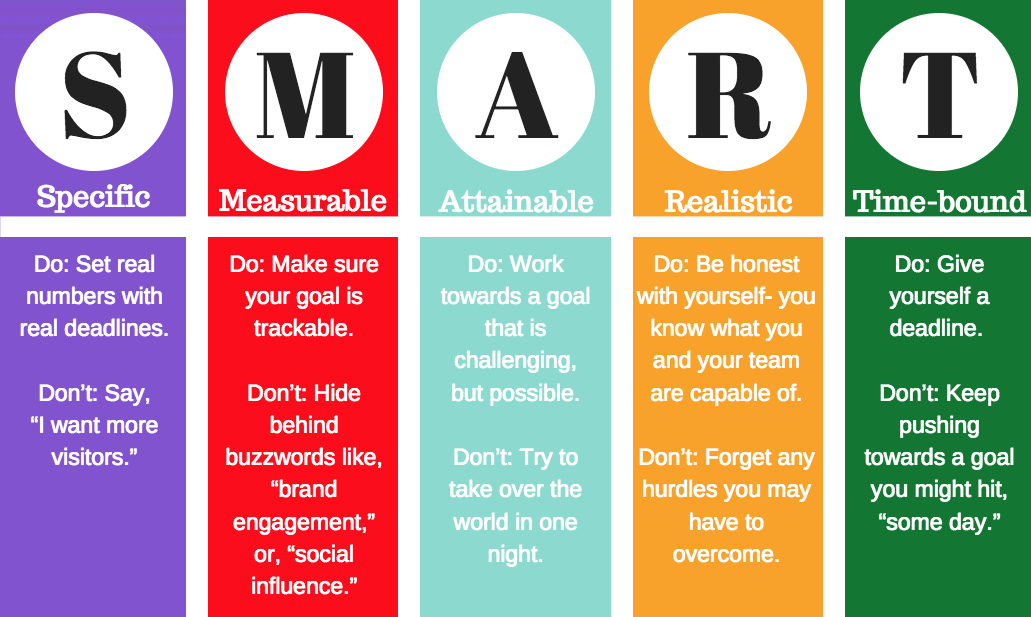
    Set SMART goals

    SMART goal stands for Specific, Measurable, Attainable, Relevant and

    Time based. Let’s understand the concept of smart goals with the help of an example.

    Let’s say your company’s goal is to increase sales. Do you think it’s a SMART goal? It’s not, as

    you can see it’s not specific, time bound and measurable.

    How to set a SMART goal? Write down the goal in the most specific manner as you can. Here,

    the SMART goal would be – To increase sales, by 15% of the last 3 months sales, within the

    time frame of the next 3 months.

    Now as you can see this goal is specific, can be measured, can be achieved, is relevant and is

    time bound. A goal should always have a deadline.

    Learn more about SMART goals (INTERNAL LINKING)

    Identify all tasks and actions to be done

    List down all the tasks to be done, depending on the tasks nature of the task decide what should be done immediately, what task to be done later and what task to be delegated.

    Priorities tasks

    Before you begin with prioritising just check are there any tasks that can be

    done in just 2 to 5 minutes. If yes, then do these tasks first.

    So after finishing these tasks you should prioritize the remaining task on the basis of its

    importance and the deadline attached to it.

    Set short-term goals

    Taking the previous example, as you have to increase sales by 15% in

    the next 3 months you might not be continuously motivated throughout these 3 months. So to

    overcome this challenge you should set short term goals like increasing the sales by 5% within

    the next month. These short term goals will keep you motivated throughout the 3 months. So

    setting short term goals is also a great way of self-motivation.

    Implementation

    Now that the goal is set, tasks are decided and prioritised; it’s time to take

    action. So take the first step towards your goal and keep a record of your accomplishments.

    Keeping a record of your progress will help you stay motivated.

    Visualization

    Sometimes what happens is that you have made a good action plan with SMART goals but in

    your mind you still believe that you cannot accomplish this goal as it is really hard to do.

    Now here, your belief system is not supporting you and as a result you will not feel self-

    motivated. So to overcome this challenge you have to start visualising yourself where you want

    to be. Start living the life you want to create. Imagine yourself as an achiever.

    By imagining that you have already achieved your goals your mind starts to believe it. The mind

    doesn’t recognise the truth and the lie so it believes what we picture all the time. That’s the

    reason visualisation techniques work so well. So use it to attain self-motivation.

    By visualization you develop positive thought that you can achieve your goals. After that these

    thoughts develop a good and positive belief system. Which in turn develops a great attitude for

    success, and a great attitude leads to a great feeling about your goals and yourself. And finally a

    great feeling leads to great action and behaviour.

    Visualization will help you in staying hungry.

    Create a reward system

    How do you create a functional employee reward program? | by Ted Bauer |  The Startup | Medium

    Reward yourself every time you accomplish a task, it will keep you motivated.

    For example, assuming you were able to achieve the goal of increasing the sales by 5% within

    the first month, throw yourself a party, by yourself some new shirts or attend a concert. Just

    reward yourself for every small or big accomplishment. You deserve it. Rewarding yourself will

    always help you stay self-motivated.

    Bonus Tips on Motivating Yourself

    Change your surrounding

    ● Keep your surrounding clean; sometimes the surrounding is more influential than the

    willingness of a person.

    • Make your bed every day just after waking up.
    • Hang motivational quotes in the office or where you work at home.
    • Keep things organized so that it becomes easier to find the right thing at the right time.

    Every day do one thing that you are afraid of

    • See problems as a challenge and no matter how much afraid you are to do it just take the first small step.
    • Doing this will develop self-belief and will keep you self-motivated throughout your journey. So given below are a few things that you can start with:
    • You can talk to strangers every day.
    • Volunteer to speak on the stage.
    • Decide whom you have to get rid of to make your life peaceful.
    • Call the friend that you haven’t talked in a long time.
    • Apply for that course, training, classes you thought you couldn’t do.

    Read inspirational stories

    ● You sometimes lack motivation because you believe these few things are impossible to

    be done.

    ● Reading how a person who had nothing in his/her hands accomplished the same tasks that

    you think is impossible to be done, will open your mind and show you that it’s possible.

    ● Just type in Google and read one every few days.

    ● Sometimes you need external motivation to help you in self-motivation. Therefore, watch

    motivational videos and listen to motivational songs etc.

    Write a letter to your future self

    Self-motivation
    • Write a letter to the person you want to become in the next 5 years.
    • In that letter promise yourself that after 5 year you will become this person.
    • Mention the hard work it will take to become that person.
    • This will always help in self-motivation as you will be aware of what you want to become.
    • You can also write a letter to your past self, thanking him/her for making you who you are today.

    Dress accordingly

    ● How you dress has a strong influence on how you feel.

    ● For example, you are working from home, yes you don’t have to show you face to

    anyone so you wear whatever you feel like. It’s wrong, where exactly what you would

    have worn if you were supposed to go to the office.

    ● It will keep you highly motivated.

    Join a group with same goals as yours

    ● Surround yourself with people who have the same goals as yours. As a result you will be

    highly engaged in achieving your goals.

    ● So join a group of people you share your goals with.

    ● When you will see everyone working towards their goal, which is your goal too, you will

    push yourself to work harder than before.

    ● Believe it’s one of the best ways of self-motivation.

    Build a habit and maintain a streak

    ● Make accomplishing a task an everyday habit.

    ● Try to maintain the streak as a result it will help you in motivating yourself.

    Conclusion

    To conclude we can say that self-motivation is an art everyone should master to become a

    successful person. I recommend you to follow each and every step effectively. Write yourself a

    letter of gratitude, write every task down, prepare an action plan, visualize and give yourself a

    reward every time you accomplish a task.

    Thanks for reading the article. I hope you have learned how to motivate yourself.

    Also you can read our blog on 9 life lessons that you can learn from sports

    FAQ’s

  • Golden Rules of Goal Setting: 5 Rules to Set Yourself Up for Success

    Golden Rules of Goal Setting: 5 Rules to Set Yourself Up for Success

    Goal setting is considered to be the most important factor for achieving success in life. So there

    are some golden rules for goal setting that you should keep in mind to set yourself up for success.

    WHAT’S IN IT

    How to set goals?

    Setting Goals | WorkCompass

    Goal setting is an art that everyone should master. If you are able to set goals but are not able to

    achieve them, then you are lacking the art of goal setting. So, how to set goals? Below are the 5

    golden rules goal setting that you should keep in mind.

    5 Golden rules of goal setting

    1) Set goals that motivate you

    Not every goal that you have needs to be accomplished. If you are chasing a no. of goals at the

    same time then it will become really difficult and frustrating to achieve them. Change goals that

    you feel are meaningful that give your life a purpose. Your brain can only commit to goals that it

    finds important and valuable.

    Tips on how to set goals that motivate you.

    ● Note all your goals down. Rate them according to their relevance and the value they bring

    to you. As the goals are now prioritized so prioritize your work accordingly.

    ● You can also do this by elimination method. In this method, you start by eliminating the

    goals that are not worthy enough for you.

    ● Now, be aware of the benefits of achieving your goals. As a result, these benefits will help

    you motivate yourself

    ● Attach your goals to your purpose and values. For example, if you feel like you are a

    a person who wants to make this world a better place, then you should set goals that will

    help you make this world a better place.

    2) Set SMART goals

    The Importance of Setting SMART Goals

    S – Specific

    Your brain wants clarity in everything that you want to do. So when you are setting goals make

    them as specific as possible. Specific goals will provide you with the exact direction in which you

    need to move forward.

    Tips on setting specific goals

    ● Define what exactly you want to achieve. For example, you want a promotion from

    business development executive to business development manager.

    ● Define why you want what you want. For example, you want that promotion to boost

    your passion and ambition or to earn more or to reach a better status.

    ● Define what you are required to achieve the goal. For example, for that promotion, you would

    require to complete all your sales targets on time.

    So here, your specific goal will look like this – “My goal is to get a promotion to business

    development manager, by overachieving my sales targets, so that I can boost my ambition and

    passion.”

    M – Measurable

    Now that you have set a specific goal, it’s time to make it measurable. The progress you make

    can only be measured by quantifying it. Making it measurable will help you stay focused and

    motivated as you would know how much you are lacking so you could make changes in your

    approach.

    Tips on making your goals measurable

    ● Define the amount of output you need to get to reach your goal.

    ● Continuing the previous example, the goal can be to over achieve your sales target by

    15%.

    ● Keep a written record of your goal and progress so that you keep updating them as you

    reach near to your goal.

    So here a measurable goal can be – “My goal is to get a promotion to business development

    manager, by overachieving my sales targets by 15%, so that I can boost my ambition and

    passion.”

    A – Achievable

    Your goal should be attainable. Don’t get overexcited when setting goals because you might set

    unrealistic goals which you can’t even achieve. Such a goal will make you frustrated and

    demotivated to achieve them. So always have realistic goals.

    Tips on setting goals that are achievable

    ● Ask yourself are your goals frustrating. Do you feel like you can achieve it in the

    given period of time?

    ● If the goals are frustrating and you feel like you can’t achieve them in the given time then

    it’s time to change the goal to something that is attainable.

    ● One way to make goals achievable is to simply break them into smaller parts. Break the

    long term goals into short term goals.

    So here, continuing the previous example, you should ask yourself can you get that promotion in

    the time frame that you have set for yourself. And can you over achieve your sales target by

    15%. If no, then reduce this number or break this goal into small parts and then try to achieve

    them.

    R – Relevant

    Your goals should be relevant to your ultimate goals. Most people waste their time and energy

    on tasks and goals which are not even relevant to them. If the goals are not relevant you might

    feel discouraged because you will see zero progress in your end goal.

    Tips on setting relevant goals

    • Ask yourself are your short term goals worthy enough to help you reach your end goal.
    • Make sure it is the right time to work on these goals.
    • Compare whether the outcome of achieving these goals is worth the efforts you will put into it.

    T – Time-bound

    A goal is of no value without a deadline. A deadline helps you push yourself to achieve your

    goals. A deadline will make you self-disciplined. So set a fixed date for the completion of your

    goals.

    Tips on setting time-bound goals

    ● Simply decide when can you achieve your goals and stay realistic in this approach.

    ● Continuing the previous example, attach a deadline to your goal of getting a promotion. It

    can be the next six months or a year.

    So here, your final goal can be – “My goal is to get a promotion to business development

    manager by the end of the upcoming 6 months, by overachieving my sales targets by 15%, so that I

    can boost my ambition and passion.”

    Setting SMART goals is considered to be the most important golden rule for goal setting.

    3) Write your goals down

    WHY YOU NEED TO WRITE DOWN YOUR GOALS! – SELF-AWAKENING BY SATMIS

    Now that you know how to set goals that motivate you and how to set SMART goals, it’s time to

    write these goals down. Studies have shown that people who write their goals have a 97% more

    chance to achieve them as compared to people who don’t write their goals down.

    By writing down your goals you are putting a picture of your vision in front of you. It will act as

    a guide and a reminder of your goals.

    Tips on how to write your goals down

    ● Write your goals on a sheet of paper with your own hand. Like don’t write them on an

    electronic device.

    Read them on a regular basis in order to remind and motivate yourself.

    Write both short term and long term goals.

    Write your goal as a positive statement. For example, I will contact 20% more prospects

    every day in order to overachieve my sales target.

    4) Make an action plan

    What's your Emergency Action Plan? - Poole Group

    The next golden rule of goal setting is to prepare an action plan.

    So till now, you have written all your goals down and it’s time to make a detailed action plan.

    How would you feel if you had a clear destination but did not know how to reach there? You will

    feel really demotivated.

    This is the same thing that happens with your goals if you don’t prepare an action plan. With an

    the action plan you can prepare every step in advance that is required to be taken to achieve your

    goals.

    Tips on how to prepare an action plan

    Identify all the tasks that need to be done to achieve your goals.

    Write to each and every step required to be taken.

    Identify the resources you might require in performing the tasks. Gather these resources

    before or at the time of performing the tasks.

    ● Identify which tasks can be delegated.

    ● Keep reviewing and updating the action plan.

    Learn how to prepare an action plan in detail

    https://creately.com/blog/diagrams/how-to-write-an-action-plan/

    5) Stick with your goals and plans

    The next most important thing after goal setting and making the action plan is to take the action.

    Now what might happen is that you will start to feel that the action plan is not good enough if

    your goals are not good enough. To overcome this challenge all you need to do is stick with it. In

    other words, you need to develop self-discipline and keep working towards your goals.

    Tips on how to stick with your goals

    ● Read your goals and action plan on a daily basis.

    ● Remind yourself of your purpose behind achieving this goal so that it keeps you

    motivated.

    ● Remind yourself of the benefits of achieving your goals.

    ● Start your day with the most valuable task. It will give you a kick start.

    ● Set a fixed period of time for reviewing your goals.

    Conclusion

    In conclusion, we can say that goal setting is one of the most important factors that make a big

    difference in your success. Always set a goal no matter what. Start by setting goals that will help

    you accomplish something valuable to you. Make these goals as specific as possible. And don’t

    forget to stick with them.

    Also you can read our blog on Time Management: How The Pickle Jar Theory Will Help You

    FAQ’s

  • Managing people: 8 Ways to Organize Disorganized People

    Managing people: 8 Ways to Organize Disorganized People

    Managing people who are disorganized is one of the most important traits of an effective leader.

    If you don’t organise these people, their productivity will decrease and as a result.

    The organization’s goals won’t be achieved.

    WHAT’S IN IT

    How to manage people who are disorganized?

    How To Deal With OPD - Other People's Disorganization | Get Organized Wizard

    When people cannot organize themselves, you as their leader have to take responsibility to

    organise disorganised people. In this article 8 tips and 3 principles of organising are shared. After

    reading this you will know exactly how people management is done.

    Ways of managing people who are disorganized.

    Be organised yourself first

    Before you try to organise others, be it your employees, kids or friends, first, you should keep

    yourself organised. If you yourself are not organised, then others will not take your words

    seriously. So make sure all your information, files, documents, and other stuff are well

    organised.

    If you are organised then you can even share your scheduling and time management skills with

    your colleagues and subordinates. You can explain to them how you keep things organised. Show

    them your well-organised office and desk.

    It will make them motivated to become organised themselves. Managing yourself is one of the

    prerequisites of managing people.

    Make sure they know what is expected from them and why.

    Sometimes your employees know what they are supposed to do, but they don’t realise the

    importance and benefits of doing it.

    Managing people involves making sure that your employees know what they are supposed to do

    and why doing the work in an organised manner will help them as well as the company.

    Amplify all importance of becoming organised and how it will make them become highly

    efficient in everything they do. Knowing the purpose behind doing something keeps the

    employees motivated to do it.

    Be empathetic

    You need to keep a check on your employees’ behaviour. Have they become disorganised

    recently? Or they were like this from the first day? Always try to find the root cause of such

    behaviour.

    Instead of becoming angry you should talk to the employee and find out what’s stopping them

    from becoming organised. If that person is going through something serious, try to be empathetic

    and make him/her feel heard. If possible, give them a break so they can recover from it.

    Break down the assignments into small parts

    Most people have a problem with breaking the assignments into small parts. As a result, they are

    not able to focus on one particular task at a time. So what you can do is, help them break the

    tasks down into small parts and help them prioritize the tasks.

    By breaking these assignments they will be able to fully focus on one task. And when they will

    complete the task they will also get motivated. You can break them on the basis of time or on the

    basis of the number of tasks. Break the assignments just like a book is divided into small chapters.

    Reflect on the size of the problem

    Problem Prevention: An Essential Practice of Effective Leaders - Sacred  Structures by Jim Baker : Sacred Structures by Jim Baker

    Another great way of managing people who are disorganised is to make them realise the size of

    the problem that will be created if they don’t organise their work well. For example, one of your

    employees’ is always late for meeting the prospective client.

    Here you can show him/her how being late for a meeting can make the prospect feel

    undervalued. And as a result, the client might not purchase or service that you are offering.

    So just amplifying the consequences of losing a prospect will make them realise the importance

    of being organised.

    Guide them in effectively scheduling their time

    Time management is a skill all of your employees should learn. Guide them on how to

    effectively schedule for proper utilization of time. If they can’t utilise their time properly then

    they would not be able to be productive.

    Effective scheduling of your time is an art that everyone who wants to become successful should

    master. By effective scheduling of your day, you can achieve a high level of stress-free productivity.

    The employees should be able to prepare in advance what they are supposed to do, schedule their

    day, start early and should also know how to schedule contingency time. Keeping all the stuff in

    a fixed place will help them save a lot of time. And as a result, they will become more organised.

    Have regular one-to-one checks

    To understand how well the employees are organised and performing, a one-to-one meeting is

    a way to do it. At the time of the meeting, be a good listener and focus 100% on what your

    employee is speaking.

    Always start positive, you can say something like, “It seems you have worked very hard….”

    Starting positively will make them feel comfortable when talking with you. If there is a problem,

    help them solve their problem instead of scolding them.

    If there are still some situations that can be improved, just show them the way to improve them.

    Lastly, don’t forget to show them gratitude for how important they are to you and the company.

    Managing people becomes effective when it involves one-to-one checks.

    Offer incentives for being organized

    Why Non-Monetary Incentives are Replacing Monetary Incentives - MTI Events

    Some people are motivated by rewards. So start rewarding people for being organised. Except

    for a monetary reward, the rewards can as simple as praising that person in front of all the other

    employees. You can also give that person a certificate for “most organised employee” for it.

    By giving rewards you make it a fun and challenging activity for your employees to become

    the most organised person in the company. They will try their hardest to become the best. One of

    the most important aspects of managing people is to know when and how to reward them.

    The 3 Principles of Organizing

    Consolidate

    Just think for a moment, do you use everything that is on your table every day? Is your drawer

    filler with items you don’t even use anymore?

    We all tend to have a habit of keeping every little thing reserved thinking that we might need it

    someday. But the reality is even after years we haven’t touched that item.

    So the first thing you need to do is, remove all the items that you don’t need any more and only

    keep the stuff that is useful for you.

    Just ask yourself “Do I really need this item to perform my actions effectively?” if the answer is

    no, then my friend it’s time to get rid of that item.

    Categorize

    The next principle is “categorize”. Now that you have got rid of the items you don’t need, begin

    categorizing them on the basis of their similarity in topics, functions, value or information.

    Categorizing will help in reducing your stress and hence making you more focused on doing the

    tasks, by simply saving a lot of time. Always create categories that you can easily remember and

    easily relate to.

    Create a “Home”

    Home, car loan EMIs to get costlier as RBI hikes repo rate by 25 basis  points

    After categorising the items you have to give them a home. In other words, allot a specific place

    for every item. Allot homes on the basis of how frequently you need to use the items. And it

    should be easy for you to reach it.

    The stuff you used the most should be nearest to you. It will help in easy accessing and updating

    of the files, documents, information, and other stuff.

    Conclusion

    We can conclude that managing people who are disorganised might take a lot of efforts but it is

    worth doing. So an employer and a good leader should not give up on people who are

    disorganised but they should make a good effort on making them organised. I hope you really

    liked these tips and would actually apply them.

    Also you can read our blog on 9 life lessons that you can learn from sports

    FAQ’s

  • Time Management: 7 Ways to Effectively Schedule Your Time

    Time Management: 7 Ways to Effectively Schedule Your Time

    Time management is found to be the most important skill of highly productive people. These

    people know they have limited time so they indulge in planning a schedule for better utilization of time.

    WHAT’S IN IT

    How to schedule your time?

    How to Make Time for Project Planning | TeamGantt

    Effective scheduling of your time is an art that everyone who wants to become successful should master. By effective scheduling of your day, you can achieve a high level of a stress-free productivity. Most people fail to utilize their time effectively, if you are one of them then this the article is for you. Time management skill can be attained with practice, just follow the tips below.

    Tips on how to schedule your time effectively

    Identify the tasks to be done

    Before you try to master the art of scheduling your time, you need to note down all the tasks that are needed to be done. First of all, writing down all the tasks will give you clarity on what is supposed to be done. Secondly, it will help you reduce the amount of stress on your brain.

    Because you will be able to focus on one task at a time instead of wondering about what has to be done next.

    Most people often make the mistake of not knowing exactly what they are supposed to do. Time management can only be done if you are aware of what tasks you have to perform in order to achieve your goals.

    Identify the time required for each task

    The Average Time Required to Repair Windshield Crack | Windshield Repair  and Replacement - Windshield Experts

    The next thing you have to do for time management is to figure out the expected time for completion of each task. As a result, you will be able to dedicate a fixed time to each task and will also know about the spare time you would be left with which you can utilize for fun and leisure activities.

    For estimating the required time you can write down the amount of time it took when you did the same task last time. If you are doing a few tasks for the first time, then you can take advice from your colleagues and seniors.

    Prioritize your tasks

    Now you need to prioritise your tasks by using the methods below:

    The ABC system

    With this system you will prioritize your tasks on the basis of the value they bring to you. A consists of the tasks that are of the highest value as they are very important and should be done on an immediate basis. These are the tasks if not completed on time will have really bad consequences.

    These are high priority tasks.

    B consists of activities that are not as important as the tasks that fall in category A. But yes they are important too. The only difference is they are not supposed to be done on an immediate basis. So these tasks can be delayed for a short period of time, but yes not for a long time.

    C consists of tasks that if not done will not create some bad consequences. Some tasks do not bring a lot of value to you. And you need to figure these tasks in order to stop wasting your time and energy.

    The Payoff System

    In this system, you are supposed to view spending your time as spending a currency (money). For the tasks you noted down previously, you just have to rank them in order of highest payoff at first and lowest payoff at the last.

    As a result of doing this, you will have a priority list. The tasks with the highest monetary value according to you will be the task of the highest priority. And a task with a low monetary value will be a low priority task.

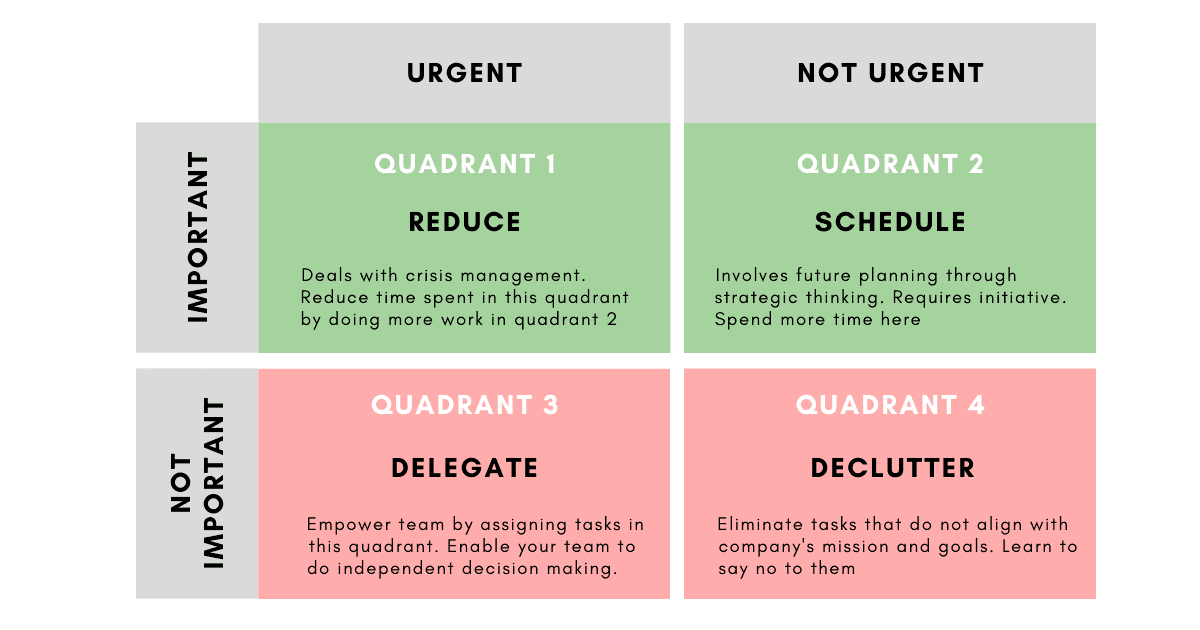
    The Covey Time Management Grid

    According to this method, you prioritize your tasks based on their importance and urgency. There are four grids:

    Urgent and Important
    Eisenhower Matrix: How to Prioritise and Master Productivity | TechTello

    Here you add the tasks that are really urgent to complete. But there are a lot of tasks that are urgent so decide which of these tasks are important as well. The tasks that are both important and urgent will be the highest priority tasks.

    Important but not urgent

    The tasks that are not urgent but have high importance needs to be completed next. These tasks take a large amount of time to be completed. So these tasks require planning.

    Urgent but not important

    The tasks that are urgent needs to be done next. These tasks might not be that important but are supposed to be completed.

    Neither important nor urgent

    These tasks should only be touched after all the important and urgent tasks are completed. Most of the time it won’t even matter if you don’t complete these tasks.

    Delegate effectively

    How to Delegate Effectively | ActionCOACH

    The tasks that are not that important, or some tasks you are not specialized in, need to be delegated to the right person. For finding the right and appropriate person, you need to understand that you should not only delegate to a person who is your subordinate. But you should be open to delegating sideways to colleagues having the same position as yours.

    One of your colleagues might like to read the emails and reply to them and on the other hand, you might hate doing it. So you can swap your work, whenever possible, with your colleague. As a result, it will help both of you to complete the tasks on time.

    Learn to say “NO”

    Not being able to say “NO” as an answer to a question that might waste your time, is one of the biggest problems people have. It takes a lot of courage to say “NO”. So to be able to say know,

    you need to ask yourself, “By saying yes what am I committing myself to?” and “Will it be a good use of my time if I commit to it?”

    Tips on how to say “NO”

    ● Come up with a reason. A reasonable reason will make the other person realise that you are busy right now.

    ● Don’t say “can we talk later” if you don’t want to talk later. Give a genuine reason or straight away say “NO” if you can.

    Fix time leaks

    There are a lot of time leaks that can cost you your success. And the funny thing is you might not even realize it. So it’s becomes important to identify time leaks.

    The most common time leaks are:

    Socializing

    On one hand, this is the number one mistake that drains your working efficiency. But on the other hand, it is considered to be good as it keeps

    your morale boosted; you might get some relevant information etc. So all you need to do is to fix a certain time in which you will focus 100% on socialising. It will act as a break. But when you are working your 100% focus should be on completing your task.

    Misplacing things

    The next big mistake that drains your time is misplacing things. Everything that you require to complete your tasks should be available to you at every moment. For this, you can fix a certain space to keep everything organised. Keeping things organised will help you save a lot of time.

    Forgetting things

    Researchers Believe Forgetting Things May Make You Smarter Kids News Article

    You forget things because your brain is not designed to remember every idea it generates. Its work is to generate ideas. So you should develop a habit of noting down everything. Trying to remember what is the next thing you were supposed to do will also drain your time.

    Schedule contingency time

    You might not anticipate the exact time required to complete a task, so always schedule some contingency time. Failing to schedule it might lead to stress as you will have to work extra hours.

    You can use the False Deadline Strategy to schedule this time. In this strategy, as the name suggests, you have to set a deadline earlier than the actual deadline. If you are able to accomplish the tasks before this deadline then you will have more time to accomplish other tasks. Having a contingent time means you have a good time management strategy.

    Powerful methods to utilize your time effectively

    The Most Important Task Method

    Not every task or goal will bring you the same value, some will bring more and some will bring less. So according to this method, you need to identify the most valuable 2 to 3 tasks every day and try to accomplish them first. Only after completing them, you should do other tasks. Just make sure these tasks are relevant to your end goal. If not, then they might not be the most important tasks. The tasks that have the highest impact on your goals are the most important tasks for you.

    The Time Blocking Method

    As the name suggests, you have to make certain blocks of time dedicated to a specific task only. By doing this you can focus 100% on one task at a time. As a result, it will increase your productivity.

    Keep a note of the tasks that are not important but have an urgency to be done and keep these tasks in one block. Schedule breaks exactly when you need them the most.

    Keep the highest priority tasks in the morning block or whenever you feel you are most productive. Least priority tasks at hours when you feel least productive. Start doing this and see how your time management skill enhances.

    The Pomodoro Method

    According to this method, you have to select the task you want to complete then do that task for 25 minutes with any distraction and with full focus. After 25 minutes, take a short break. Do this 4 times then after that, take a long break. Then start the process again.

    This will also help you in increasing your productivity and better utilisation of your time.

    Conclusion

    We can conclude that, for effective time management and effective scheduling we need to note down our tasks, prioritize them, and learn to delegate tasks, should be able to say “NO”, fix time leaks and keep some extra time with ourselves. Try all three methods of schedule planning and continue the one that suits you the best.

    Also you can read our blog on Start visualization to achieve your goals

    FAQ’s

  • How self-motivated are you?

    How self-motivated are you?

    There are two kinds of people, once who don’t get success years after years and others who archive success one goal after another. So, What’s the difference between them? The answer is self- motivation. It is a force that keeps force to work toward your goal until you archive that. It is an internal drive that develops energy in you even when you are ready to quit something. So, in this blog, I will explain to you all the things that you need to know about self-motivation.

    WHAT’S IN IT

    What is self-motivation?

    self-motivation

    Meanwhile, In simple words, self-motivation is a force that drives you to do things. It drives you to work hard towards your goal until you archive them. so, Self-motivation can come from two sources. Firstly is the extrinsic motivation that drives you to archive external rewards like money, power, status, and recognition. Secondly is intrinsic motivation so, that drives you to archive inherent rewards like self-satisfaction etc.

    Importance of self-motivation

    So, Now to know what self-motivation is. But, Let me explain to you what is the importance of self-motivation so, in your life to archive a long term goal. Doing things that you feel need to be may give you enough external rewards in many cases but it doesn’t work if you want to archive Excellency and innovation in your work. Not only you do work better with self-motivation, but it also helps to handle stress in life. It helps to stay away from criticism and negative thoughts.

    Check your self-motivation

    Check | Think. Check. Submit.

    If you want to find out your level of self-motivation or to know how much self-motivation you have for any goal then answer the questions given below with honesty.

    [qsm quiz=1]

    Score 12-25

    You have so many droughts about your goals and having fears that you will succeed or not. Your self-motivation is not good and demotivated due to your thoughts. Maybe you have a bad circle of people around you who also never succeed in their life. So, to overcome this start making the distance from these people and build self-confidence in your-self.

    Score 26-45

    Your self-motivation is ok. You self don’t have any dough on your-self but whenever other people questioning you then you start doughing on your-self. You can archive more than you think in your life. Try to increase your focus on your goal more and keep aware of what content you inserting in your mind. Stay away from people who criticize you and always dough on you.

    Score 46-60

    Great! your self-confidence is too good. Whatever people say about you or criticize you that doesn’t affect you. Also, you have good focusing skills on your goals. Keep this practice continue to discover yourself.

    Factors affecting self-motivation

    There are the main factors which affect your self-motivation mostly-

    I. Negative thinking

    self-motivation

    If you have people around you who always talking about the problems around the society instead of taking any action toward the solutions then this will affect your self-motivation. These kinds of people also find out problems regarding your work keep try to distract you from your focus. So, start making a distance from these people. If it’s not possible to make distance physically then try to distant mentally with them.

    II. Self-confidence

    It also plays a major role to build up self-motivation. Self-confidence with the right thinking and clarity built the self-motivation. So, if you want to increase your self-motivation first you need to develop self-confidence in yourself. To increase self-confidence you should have celerity in your thoughts, right source of information, and personality.

    III. Long-term focus

    Focus is the ability to keep your all energy at a point and helps you to archive your goal. Deciding the goal of life also plays an important role in your success. So, think about what’s important to you in life and make them your priority. This will be built self-motivation in you.

    IV. Motivating environment

    self-motivation

    A successful man said that you are the average of 5 five people around you. That means that you have the quality of all the people with whom you spent your time most. Similarly, in today’s digital world it can be said that you are the average of 100 people you follow. So, make your company around you carefully. These people may keep motivates you to archive your goal and support you or may put negative thoughts in your mind.

    Conclusion

     In a nutshell, I want to say that self-motivation is a force that drives you to do things. It drives you to work hard towards your goal until you archive them. Self-motivation can come from two sources. It is a major key that always helps you to keep the focus on your goal archive them. It’s not easy to develop self-motivation in a day but by keep practicing you can build it in You.

    Also you can read our blog on Time Management: How The Pickle Jar Theory Will Help You

    FAQ’s

  • Motivating yourself – practical tools and strategies

    Motivating yourself – practical tools and strategies

    Whenever we decided any kind of long term goal in our life, we have to stay focused so on our goal and keep working hard for them. But due to any reason we often get distracted from our path.

    In that case, we have to keep motivated our self, and instead of losing hope keep going on the path chosen by us. So, in this blog, I will tell you about some amazing tips and tricks and through which you can keep motivated and reach your goal.

    WHAT’S IN IT

    What is motivation?

    Motivating yourself

    In simple words, motivation is a force that drives you to do things. So, It drives you to work hard towards your goal until you archive them. So, Self-motivation can come from two sources.

    Firstly is an extrinsic motivation that drives you to archive external rewards like money, power, status, and recognition. Secondly is intrinsic motivation that drives you to archive inherent rewards like self-satisfaction etc.

    Importance of motivation

    So, Now to know what self-motivation is. But Let me explain to you what is the importance of self-motivation in your life to archive a long term goal.

    So, Doing things that you feel need to be may give you enough external rewards in many cases but it doesn’t work if you want to archive Excellency and innovation in your work.

    Not only you do work better with the motivation, but it also helps to handle stress in life. For instance, It helps to stay away from criticism and negative thoughts.

    Techniques to increase motivation

    So, Here I provide you the 7 best techniques through you can develop and increase the motivation in your life-

    I. Set a strong goal

    Motivating yourself

    Consequently The first thing that you need to be motivated is to have a goal. So, The goal should be enough strong that which is as important as breathing for you. But Without any strong goal, motivation can’t stay for a long time.

    The goal should also design carefully so that their outcome can happen as you want.

    II. Find out a powerful reason

     So, After deciding the goal you should have a powerful reason to archive that. Also, You should have The answer to why, so why you want to archive that goal?

    The answer should be in a positive manner so it will good for you as well as society. Also, remember that the reason should be so strong that nothing can break it which keeps to motivated all the time.

    III. Have an action plan

    Also, Many people make a goal and motivated so much but that motivation keeps away. That is because they don’t have an action plan.

    So, after deciding the goal imminently makes an action plan which is workable for you. The action plan should be made carefully so that it will challenge you as well as practical.

    IV. Have a good company

    Motivating yourself

    A successful man said that you are the average of 5 five people around you. That means that you havethe quality of all the people with whom you spent your time most.

    Similarly, in today’s digital world it can be said that you are the average of 100 people you follow.

    So, make your company around you carefully. These people may keep motivates you to archive your goal and support you either put negative thoughts in your mind.

    V. Self-confidence

    Self-confidence play a major role in motivation because it helps you to believe in yourself. Through self-confidence, your motivation level will be increased twice but is you don’t have self-confidence than your motivation level zero.

    So, keep trying to build self-confidence in yourself by practicing different activities day by day.

    VI. Stay positive and practical

    One thing you should keep in your mind that motivation will only lie with positivity. Negative thoughts will not give motivation anymore. The mindset and thoughts you have should be practical with positivity. Because sometimes motivation also doesn’t work because if your plan is impractical for you then you can’t complete that and your motivation will go down. So remember that you should make your action plan practically.

    VII. Know yourself

    Understand Yourself before anything else

    So, Many people don’t realize your self and try to finding success here and there. But one thing you should remember always first you should know what you want from life?

    So, After knowing yourself you will have a clear picture of your life an goal also. Also, At that time you will feel a different kind of motivation which will stay forever with you.

    VIII. Recognize Yourself – It is the best technique to stay

    Also, motivated in life if you choose a long term goal that always recognizes yourself. Whenever you archive anything you should give a treat to yourself like get your favorite meal,So take leave from work, etc.

    So, This will give you the motivation to do more hard work and archive more.

    IX. Get Inspired

    Also, If you want to know the ultimate source of motivation them I would say that inspiration is the biggest source of motivation. Whenever you get inspired by something then you don’t need temporary motivation because inspiration keeps long until you die.

    So, to inspire from anything first you need to love them. So, If you can do work without any return of money and also you love to do that then we can say that you are inspired by that work. So, find out for what work you inspired then nothing can stop you from archive success.

    A similar thing happened with person to person. Hence, If you inspired by ant person then you love them without any reason or without any greed of return something.

    Conclusion

    So, In nutshell, I want to say that motivation is necessary to keep working for your goal and you should implement the above techniques in your life to stay motivated. But when you inspired by something you don’t need any kind of motivation. Motivation will not stay for a long time but inspiration will keep with you until you die.

    Also you can read our blog on Using well-formed outcome in goal setting

    FAQ’s

  • 9 life lessons that you can learn from sports

    9 life lessons that you can learn from sports

    It doesn’t matter which sport you like to play but you should play the sport in your daily routine. Sports should be part of your daily life because rather than giving you fun it teaches you more life lessons which make you a better person in life.

    In this blog, I will explain to you why sports should be part of your life and how it makes you a better person? I will explain to you these life lessons that you learned from sports.

    WHAT’S IN IT

    1. Teamwork

    Importance of Teamwork and Tips to Become a Team Player | by Sandeep  Kashyap | ProofHub Blog

    This is the best quality that sports teach you. Whenever you play any sports of the team you have to coordinate with your team members and you understand that it’s how important to play in a team to win a big game.

    This same lesson work for your life that if you want to do something great in your life like build a start-up then you have to be work with a team. Also, you have to co-ordinate with your team and support your team to win the match of life.

    That’s the thing which sport teaches you much better than anything else.

    2. Leadership

    In sports, you become a leader of a team if you are the captain and it doesn’t matter you stay as a captain for always because there will sometimes when you become captain. And as captain you have to monitor your team, you have to give tasks to your team members. Even some time you have to select any of one between two players for the team.

    These things build leadership skills in you. A good team leader always supports their team and keep them motivated. Also in case any mistake happened he takes all the responsibility and in case of celebration he gratitude to his team.

    This leadership skill helps you in any aspect of your life like it help you become a good family leader, a good businessman, a good team leader.

    3. Practice makes better

    learning from sports

    Whatever sport you play you know that you are not good in the game when you start playing it. You know that after the keep practicing a lot you become better in this game and once you stop practicing you start forgetting the skills of the game.

    That’s learning you learn from the sports that practice makes you better. In real life, you have to learn different kinds of skills whether you are in a job or a business. At the starting of the learning skill, you have to know that I am not good at now but if I keep practicing it I will be master of it.

    But if you lose your patience at the start and get flustered then you will never learn that skill. So, same as sports you have to be keeping practicing with the fun and make a your-self master of that.

    4. It’s okay to not win always

    If you play any kind of game you know that you will not always win sometimes you lose also. This is one of the best learning sports to teach you. In the sport, you know that if you do not win this match then instead of losing hoping you identifying your mistake and try to not repeat it next time.

    The same learning helps you in real life so much. Many times in living conditions are not in your favor and everything going opposite to your wants. At that time you have understood that instead of losing hope you have to identify your mistakes and keep improving yourself.

    It’s okay if all the things not going as you want sometimes but if you keep learning from your life you will be win once.

    5. Focus at a point

    learning from sports

    Focus is an ability to keep your attention and energy on a specific object, task, or activity for a long period. In sports, while playing you have to be a focus on the game only. You have to keep your mind fix at a point either you lose. These skills of focusing you learn a lot from sports.

    Many times in life you have been concentrating your mind at one point and keep focusing like cracking of any exam, starting start-ups, completing company projects, etc. For that all, you need to improve your focusing skills and if you play sports then it’s automatically growing in you.

    6. Being prepared

    If you play sports or watch sports I’m sure that you notice one thing in all the athletes that they all were always prepared for any kind of action that happened in the game. The game which you going to be win may go opposite to you anytime. So you have to be prepared always for any kind of situation in the game. That’s the learning of being prepared helps you a lot in real life to tackle any kind of sudden situation happens to you. Maybe you any of your loving people passed away or you may lose your job anytime. At that time you have to be prepared to tackle that situation and sports help you to be prepared and move on from that situation.

    7. Goal setting

    learning from sports

    Setting a goal is very necessary to archive something great in life. And if you decide on a goal which is not suitable for you or in which you are not interested then you have to do a lot of hard work and effort. So, you have to decide the goal very carefully.

    And sports helps to set the goal of your life and prepare planning for that. In any kind of sport, you have to decide your goal that you want to win the match, and based upon your best skills in the game you planed how you beat your competitor.

    In real life you for archiving your goal first you have to decide that based upon your skills and make planning to archive that. So, sports will help you a lot in that aspect of your life.

    8. Stop laziness

    You never have seen any sportsperson with laziness because if your sports are included in your daily life routine then you will never feel laziness on your body. While playing sports you have to be active all the time that thing keeps your laziness away from your body.

    So, that a great lesson that you will accrue from sports in your life that never being lazy while working. It keeps help to be active in your working space to boost your energy level.

    9. Stop procrastination

    A sportsperson will never do any kind of procrastination. If he goes for playing the game he will play either you not go for playing. That’s a great habit that will develop in you by the time if you keep in touch with sports.

    You will never postpone your work in real life and procrastination will go away from you if you start playing any kind of sports.

    Conclusion

    In nutshell, we can say that sport teaches us the best life lesson of life that helps us to make your life better. So, we should make a habit of playing sports doesn’t matter which sports you play.

    Also you can read our blog on Time Management: How The Pickle Jar Theory Will Help You

    FAQ’s

  • How to stay focus on the goal?

    How to stay focus on the goal?

    Do you want to get success in life? Do you want to do something meaningful for yourself and society? If you have this or any kind long term goal in your life then you have to be the focus on your goal for a long time.

    But many times due to any kind of distraction you may change your path to goal and didn’t archive that. This is happed with most of the people, they decided a goal but due to distraction they forget their path and go to another any opportunity they get.

    Even they don’t know about which path they go. So, in this blog, I will talk to about something amazing tips to stay focused goal.

    WHAT’S IN IT

    What is the focus?

    focus on the goal

    Focus is an ability to keep your attention and energy on a specific object, task, or activity for a long period. It is easy to keep attention or focus on a short term goal like purchase a new bike or complete a short term project because in this you will get motivation and achievement easily. But if you have a long term goal like start a new business and grow that then it is very difficult to stay focus for that long time because in this you will not get instead motivation or achievement.

    However, it’s important to learn a long term focus skill for a leader or want to get success in life.

    How to decide on a goal?

    Before developing long term focus skills, you need to know how to decide a goal. Because if decide a goal which is not suitable for you or in which you are not interested then you have to do a lot of hard work and

    effort.

    But if you don’t want to do a lot of hard work and effort then you should know how to decide aright goal for you? Before deciding a goal you should analyze yourself and find out is there is any kind of work so, that exists in your life which you love to do or you can do that without money. That is called passion, find out for which you are passionate?

    If you didn’t find any kind of work about which you are passionate then keep doing new-new things and find out about which work you are passionate about. Maybe at the start, you have to do hard work but you also enjoy that.

    So, You can only find out that kind of work if you have a little bit of interest in that and you give some time to that work with your 100 percent. Hence, If you catch your passion that your life becomes effortless.

    How to stay focus on the goal?

    After finding out your goal about which you passionate so much then know so, you need to know how to stay focus on this without any distraction.

    So, Here I describe six points to develop a long term focus skill in you.

    Prepare your plan

    focus on the goal

    Once you decided your goal write them on a paper and prepare a plan to archive that. Short term goal is easy to remember but in long term goals hence, it’s become difficult to manage time and you will don’t know where your time and money go?

    So, make a proper plan to archive your goal and keep them in front of your eyes. So, Put it on your table or set that as a wallpaper of your mobile or laptop.

    Fix your priorities

    So, After preparation of your plan give priorities to all the work that you need to do. While archiving long term goals you will have an endless to-do list. So, if want to manage time and complete all the work give priorities to all the work.

    For example, make a list of all the work that you have to complete within one or two days and that is also important for archiving your goal. Also, Point out them with a star (*) or anything

    else. After that make a list of work for which you have a time of 3-4 days and in the end, so, list out all the work which you can delay for a week.

    Also, Through this kind of planning your work will become easy. Also, one more thing I want to add here that you should be self- regulate about your work.

    Stay excited

    So, Always remember that never treat your day as a working day if you want to archive a long time goal. It should be fun for you working day or night.

    So, Either you will not face this issue if you choose the right goal related to your passion. But in some cases at starting you have to hard work and stay excited to do learn something new.

    Develop a reward system

    focus on the goal

    You will be archiving your goal in the long term in the future but it’s also important to recognize and celebrate small achievements.

    So, This will keep you motivated and feels good. Hence, For that, you can take a few minutes daily and look at your progress and enjoy them, take a good meal for you, or even take a break from work.

    Keep patient

    You choose a long term goal which takes huge time, So, Many times you will have the option to change your path a go to another path which may give you great results instead.

    But remember that if you want something great in your life them patience is the key to archive them.

    Neglect criticism

    Remember that no-one on this planet is perfect, especially at the starting of their work. So, keep accepting criticism from

    people around you. Hence, Try to develop a circle of good people around you who keep recognize your work and support you.

    Although you will have some people near you who always try to criticize you. So, For them make a thin layer of your internal good vibes that keep you away from those negative thoughts.

    Conclusion

    In nutshell, I want to say that focus is the ability to keep your all energy at a point and helps you to archive your goal. Deciding the goal of life also plays an important role in your success.

    In final words, It can be summarized as “Think about what’s important to you in life and make them your priority”.

    Also you can read our blog on Using well-formed outcome in goal setting

    FAQ’s