Author: lapaasindia

  • What is Content Marketing? Complete Guide

    What is Content Marketing? Complete Guide

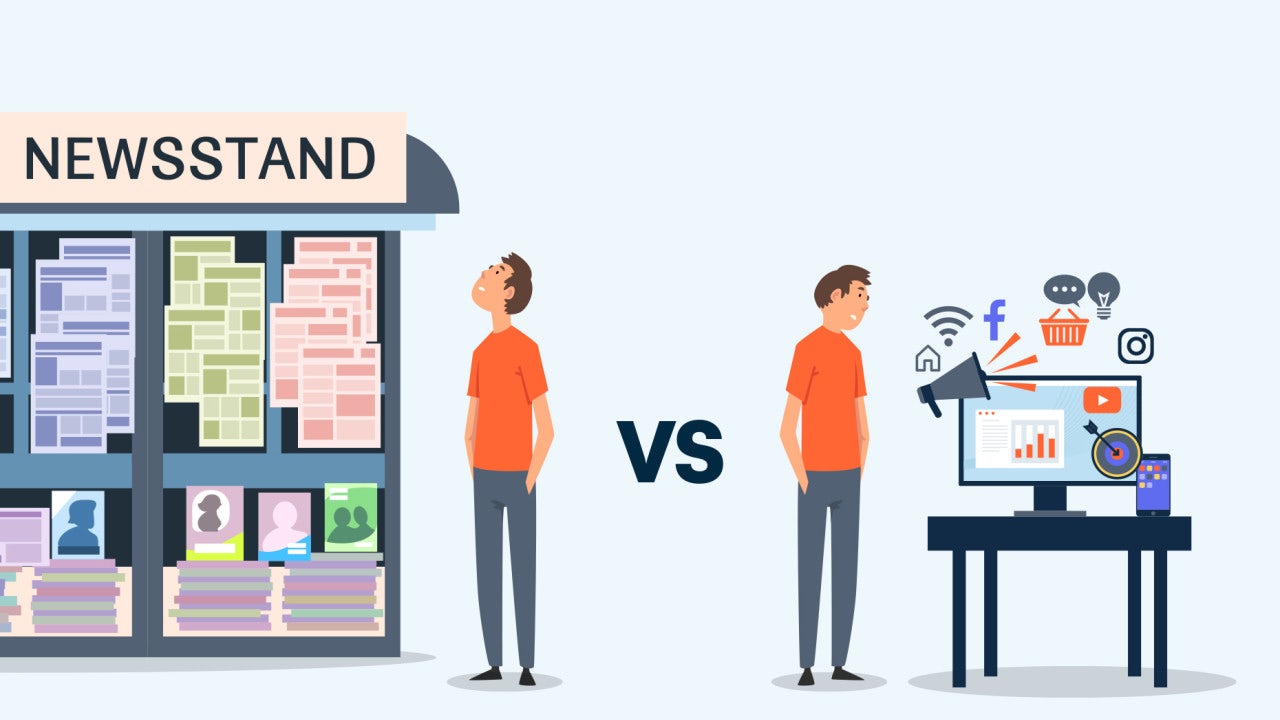
    The traditional form of marketing is less efficient to target your audience because people were interrupted due to this common form of marketing.

    Whenever you browse the internet or your social media app, you will see the various posts and content related to thousands of topics. That’s what a new form of marketing that is Content Marketing.

    When you go outside of your home, you may see various images, videos, and texts on the holdings, Big sized flex, LED screens, etc. These all are part of it.

    For Example, If you go to the market to buy brown bread, and on the road, you see the ad of Britania’s Brown bread on the holding. This ad hits your mind, and you consider Britania’s bread also while buying brown bread.

    So let’s check what the main points we will see in this blog: are-

    Definition

    Content marketing is the type of marketing in which marketers are publishing fresh, relevant, and useful content to engage consumers according to the company’s product. Thus, the main aim of Content marketing is to attract customers to the company. 

    Thus, Quality content marketing is a soft-sell approach of marketers in which they target the customers with quality content and sell their products.

    The strategy of quality content marketing is basically the “Give and Receive” principle. Therefore it gives quality and informational content to your customers and retaining their business. 

    Content Marketing

    History

    In the marketing field, Content Marketing highlights for the last three decades, but the history of it is very old. All about the content started in the 18th century.

    Some interesting moments in history related to it are as follows:-

    • Benjamin Franklin first publishes the yearly Poor Richard’s Almanack in 1732. The goal is to promote his printing business.
    • Bookstore Librairie Galignani employs creative content strategies to grow its business, including opening a reading room and printing a newspaper 1801.
    • Samuel Wagner had launched the American Bee Journal in 1862. It is a magazine that is still being published.
    • In 1867, Hartford Steam Boiler Inspection and Insurance Company debuts The Locomotive, which is now said to be the oldest company magazine continuously published under the same name in the United States.
    • The Edison Electric Lighting Company Bulletin spreads the word about the benefits of electric lighting in 1882.

    And many more activities have done in history. But use content marketing, and the impact of these efforts have increased exponentially over the years. Thus, we thought it would be a good time to update our infographic to include some of the most significant achievements that have happened over the past few years.

    Content Marketing

    Everything you need to know about Consumer-Generated Marketing

    Types of Content Marketing

    Below we will see some popular content marketing used in the marketing world:-

    1. Social Media
    2. Blog
    3. Infographic
    4. Video
    5. Paid ad Marketing
    6. Podcast

    Social Media

    With approximately 3.8 billion users on Social media, it is the most booming marketing platform for small as well as large scale businesses. Thus, all business marketers create innovative content to attract users. 

    So, social media platforms like Facebook, Instagram, Snapchat, Twitter, Linked In, Pinterest are the most popular platforms which provide lots of tools to publish the ad.

    Blog

    Through this Blog, informative content is used to spread information about the product and convert those readers to potential buyers. So, with the information, marketers recommend with links to the users to buy the product or services.

    Infographic

    In this case, the content creator creates an image that shows all the information in a symbolic and image form. Therefore, infographic contents are very attractive, effective, and easy to understand for informative blogs and articles.

    Video

    Nowadays, Youtube becomes a new search engine because, according to the survey of Hubspot, around 50% of users prefer to see videos instead of reading any blog or article. 

    Therefore, India’s one of the famous Digital Marketer, Sahil Khanna, says that Video content is the future of Content Marketing. So, all the present content changes into the form of videos in the future.

    Content Marketing

    Content Marketing Strategy

    To make an effective marketing campaign, we have to build some strategies so that campaign will get success. Following are the points which content marketers should apply to their campaign:-

    Set a smart Goal

    It is a golden rule to set a smart goal while starting any work. Same as this, to start your campaign, firstly set a small goal according to the company’s requirement. Some important goals for content marketing are:-

    • Improve brand awareness
    • Boost revenue
    • Increase conversions
    • Improve brand loyalty
    • Increase customer engagement
    • Build rapport and trust among prospects and customers
    • Attract strategic partners

    Determine KPIs

    Key Performance Indicators are data points that marketers can use to measure the company’s actual performance against the campaign.

    Following are some KPI for your SMART goals.

    1. Decide on the type of content.
    2. Decide on the type of content.
    3. Choose your content channels.
    4. Set a budget.
    5. Create and distribute the content.
    6. Analyze and measure the results.

    Platforms for Content Marketing

    Following are some platforms to help you with your strategies.:

    1. Articles
    2. Social media
    3. Email newsletters
    4. Downloadable white papers
    5. Webinars
    6. eBooks
    7. Podcasts
    8. Mobile Apps
    9. Webzines
    10. conferences
    Content Marketing

    Content Marketing vs. Digital Marketing

    Content Marketing is the field where marketers are publishing informative, fresh, relevant, and useful content to engage consumers according to the company’s product.

    Whereas In Digital Marketing, marketers strategies content creations, Search engine optimization of the websites, social media ad campaigns, and many more. Therefore, Digital marketing has a very broad field.

    Job Profiles

    There are various posts in Content advertising and Marketing. Following are major Job Profiles in the field:-

    1. Marketing Manager
    2. Social Media Coordinator
    3. Social Media Manager

    Marketing Manager

    Salary (Annually in INR) 2.4 lakh- 6.5 Lakhs

    Minimum qualification is a Bachelor’s degree in market research, administrations, statistics, or related fields.

    The job role of this profile

    • Monitor and Strategize campaign activity
    • Establish brand guidelines and growth strategies with sales, public relations, and product development teams.
    • Evaluate Customer’s Needs.

    Content Marketing Writer

    Salary (Annually in INR) 1.8 lakh- 5. 4Lakhs

    Minimum Qualification for this blog is a Bachelor’s degree in marketing, journalism, communications, or related field but not mandatory.

    The job role of this profile

    • Make Quality, creative, and informative content.
    • Maintaining a brand value in social media.
    • Monitoring customer interactions.

    Web Designer

    Salary (Annually in INR) 1.8 lakh- 5.6 Lakhs

    The minimum qualification for this job is a diploma or bachelor’s degree in Web design, graphic design, or marketing.

    The job role of this profile

    • Build and maintain the company’s website.
    • Monitor all social media content creation.
    • Developing social media and community marketing strategies.
    • Work with SEO and keywords for optimization.
    Digital Marketing

    Conclusion 

    Content Marketing is a very important element of marketing in which consumers can interact with the brand directly through quality and informative content. 

    People search about their queries on a search engine, and they get results as article, blog or any other informative content and 

    Nowadays, the internet has become so useful where all people link with a common line and help each other in every field on the internet. People contribute their part on the internet.

    Now look at some FAQs of this blog for short revision.

    Frequently Asked Questions

    What is Content Marketing?

    Content marketing is the type of marketing in which marketers are publishing fresh, relevant, and useful content to engage consumers according to the company’s product.

    Write all types of content marketing?

    There are many types of content marketing.
    Social Media
    Blog
    Infographic
    Video
    Paid ad Marketing
    Podcast

    What are the strategies that you should use for Content Marketing?

    To make an effective marketing campaign, we have to build some strategies so that campaign will get success. Following are the points which content marketers should apply to their campaign:-
    Set a smart Goal
    Determine KPIs
    Decide on the type of content.
    Decide on the type of content.
    Choose your content channels.
    Set a budget.
    Create and distribute the content.
    Analyze and measure the results.

    What are the career opportunities in the Content marketing field?

    There are various posts in Content advertising and Marketing. Major Job Profiles in Content Marketing field are as follows:-
    Marketing Manager
    Social Media Coordinator
    Social Media Manager

    What is the main difference between Content Marketing and Digital Marketing?

    Content Marketing is the field where marketers are publishing informative, fresh, relevant, and useful content to engage consumers according to the company’s product.
    Whereas In Digital Marketing, marketers strategies content creations, Search engine optimization of the websites, social media ad campaigns, and many more. Digital marketing has a very broad field.

  • The Ultimate Guide for Contextual Marketing

    The Ultimate Guide for Contextual Marketing

    Contextual Marketing is a very powerful tool of Online or Digital Marketing which provides the best place for advertising your service or product’s ad.

    Every Business wants the highest return on investment in advertising. It provides the opportunity of the Highest return on the ad.

    Sometimes it happens that you searched or explored some products in any Web or  E-commerce platform and after sometimes it shows you everywhere in your mobile like in your web browser or other Apps. 

    Do you ever wonder how Amazon, Flipkart and other E-commerce web and app knows what you want to buy and for which products are searching for?

    Actually, It is Contextual Marketing in which you can know your customer’s actual needs. So let’s see what are the major points in the Contextual Marketing:-

    Definition of Contextual Marketing

    Contextual Marketing is the type of Online or Digital Marketing in which people will see only those targeted ads for which they searched before in any platform. 

    You have observed this earlier that if you will have searched some products at Flipkart, Amazon or any Website and after a few hours when you come online, you will see that the same product is in other website pages or any App. This happens through Contextual Marketing.

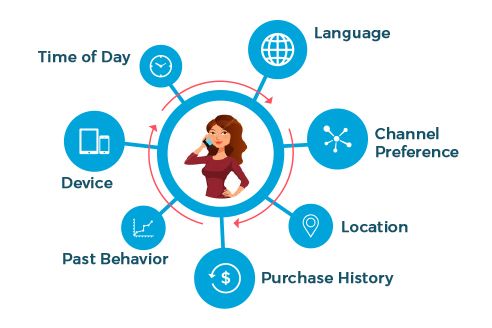
    This targeted advertising based upon users information such as the general interest of those products, search terms they are using, web browsing activity, their local place etc.

    7 Points to Know about Cloud Marketing

    Contextual Marketing

    How does Contextual Marketing work?

    Contextual Marketing basically works on the user’s browsing activity and their search terms they are using. In Contextual Marketing, marketers create content through their browsing activity and the user’s searched keywords.

    When the user sees the ad of the same products or services in any irrelevant websites which are searched earlier for any products or services on other websites. It may seem like pure coincidence and people attract more for those products and services. 

    In fact, however, when people search for the product or service, click on an ad, read an article related to the product, cookies stored on your browser which is used to know people’s behaviour as a consumer and is used for marketing purposes.

    For example:- Suppose you are searching for a laptop. Firstly you have read an article or blog about the laptop which specification you want to buy. And then you searched about that particular laptop at Flipkart and Amazon according to the specification.

    After a few hours, when you are reading some news or article on any other website you will see the ad of Flipkart and Amazon for the particular Laptop on that website.

    These all happened through Contextual Marketing. Marketers use your browsing activity to show the specific products that you want to buy.

    Contextual Marketing

    How do you make Contextual Content?

    Online Marketing basically involves 3 major components:-

    1. Creation of the Ad.
    2. Planning where the Ad is to be run.
    3. How the Ad is paid for.

    Step1:- Creation of Ad is very important and necessary for any online Marketing. Firstly you have to create Ad content for any Online or Digital Marketing.

    Step2:- Secondly you have to decide where you want to show your ad. You have to choose that in which website, app, or social media platform you want to run your ad. You should choose according to your target customers.

    Step3:- In the 3rd step, how can you pay for the ad. It can cost per click, day-wise, or people reached per day.

    In the above steps, contextual Marketing replaces the second step. Through Contextual Marketing, it decides whether your ad should be hosted or displayed on thousand of websites according to the user’s searched keywords and browsing behaviour instead of hosting on a particular chosen website.

    Who uses Contextual Marketing?

    For example, Do a search for different keywords for different types of topics and see what type of ads come while browsing other websites. You will see that different types of companies show 

    The main player of Contextual Digital Marketing is the Google AdSense. According to the survey, the most used Search Engine in the world is Google. And due to this, Google uses the search activity, searched keywords and online activity of users and provides the appropriate advertisement for the user according to their search histories.

    their ad on that website through Google AdSense Contextual marketing strategy.

    Like Google, other search engines, social media platforms, and news websites also use Contextual Marketing strategy. News Channels like CNN, BBC, Times of India also use the searched keywords for particular articles and then use it for contextual advertising.

    Social Media Platforms like Facebook, Instagram, Twitter and others also use use’s interest according to their page likes, post likes, comments and share activity. They also use it for contextual advertising.

    Everything you need to know about Consumer-Generated Marketing

    Target Customers for Contextual Marketing

    In Contextual marketing, the best thing is that we don’t need to find our specific target customers because they searched the products or services which they want and we find our target customers.

     All those users who are interested in particular products or services get ads for those products and services. And this happened because of a marketing agency. They show relevant ads to the users according to their searched keywords and online activity.

    Contextual Marketing

    Job Profile in Contextual Marketing

    There are various posts in this advertising and Marketing. Major Job Profiles in Contextual Marketing field are as follows:-

    1. Market Research Analyst
    2. Media Analyst
    3. Internet Marketing Manager

    Market Research Analyst

    Salary (Annually in INR)1.4 lakh- 4.5 Lakhs
    Minimum QualificationBachelor Degree in Market Research or related field.
    WorksGather User’s information and activity.Gather data of ad performance.Evaluate Customer’s response and behaviour.

    Media Analyst

    Salary (Annually in INR)1.2 lakh- 5.6 Lakhs
    Minimum QualificationBachelor Degree in communications or related field. Also may have experience in Digital Media.
    WorksPlan and design advertising.Run and test the ads performance.Optimize contextual ad campaign and behaviour.

    Internet Marketing Manager

    Salary (Annually in INR)2.2 lakh- 7.65 Lakhs
    Minimum QualificationBachelor Degree & experience in Online Marketing advertising or Business Management. Also may have experience on Online Commerce.
    WorksMonitor all Online marketing & advertising.Track to Contextual marketing performance.Monitor and communicate with the advertising team.Oversee the creation and purchasing aspects of Online advertising.
    Contextual Marketing

    Conclusion 

    Contextual Marketing has been developing since the last decade and continues researching to become more specific and accurate on delivering the best ads to relevant users.

    Nowadays, the Internet has become so useful and accessible and this marketing also develops new types of marketing around Mobile devices. 

    Through the Mobile devices, they use your locations and use it to provide you the ad context of local businesses. They can also grab your internet uses. For Example, some mobile network companies like JIO, Airtel, etc. provide you a customized Mobile data plan especially for you.

    In future Contextual Marketing, they involve Billboard Advertising. Some billboard companies will use cameras on their billboard for some populated areas so that they can see the performance of the billboard ad. Through that, they can track the actual statistics for the billboard advertisement. They calculate how many people are in front of the ad and how much time they use to see the ad. They can also find actual target customers for a particular ad.

    Frequently Asked Questions

    What is Contextual Marketing?

    It is a type of Online or Digital Marketing in which people will see only those targeted ads for which they searched before in any websites, app, or Social media.

    Who uses Contextual Marketing?

    The main users of contextual Marketing are as follows:-
    Search engines like Google, Bing, Yahoo, etc. 
    social media platforms like Facebook, Instagram, Twitter, etc.
    E-commerce Apps like Amazon, Flipkart, etc.  
    News websites also use this marketing strategy.

    Who are the Target customers for Contextual Marketing?

    All those users who are interested in particular products or services get the ad of those products and services are the Target customers of a marketing agency. They show relevant ads to the users according to their searched keywords and online activity.

    What are the Job Profiles in Contextual Marketing?

    There are various posts in Contextual advertising and Marketing. Major Job Profiles in Contextual Marketing field are as follows:-
    Market Research Analyst
    Media Analyst
    Internet Marketing Manager

    How do you make Contextual Ads?

    Online Marketing basically involves 3 major components:-
    Creation of the Ad.
    Planning where the Ad is to be run.
    How the Ad is paid for.
    In the above steps, contextual Marketing replaces the second step. Through Contextual Marketing, it decides whether your ad should be hosted or displayed on thousand of websites according to the user’s searched keywords and browsing behavior instead of hosting on a particular chosen website. 

  • 7 Points to Know about Cloud Marketing

    7 Points to Know about Cloud Marketing

    So, Do you ever get an email from Amazon, Flipkart, or any other websites? Do you see their posts or ads while scrolling your Facebook, Instagram, or Twitter? If yes, then it’s all a part of Cloud Marketing.

    Meanwhile, We all are seeing the world of the internet. Hence, The internet has changed the world. So, It changed the work environment and it is changing day by day with a lot of new things.

    So, The internet is spreading online marketing fastly. It brings your business online and markets your products or services very well. Cloud Marketing is part of it.

    In this blog, we will see all about Cloud marketing. So, let’s check out what are the major points we will discuss in this blog:-

    Definition

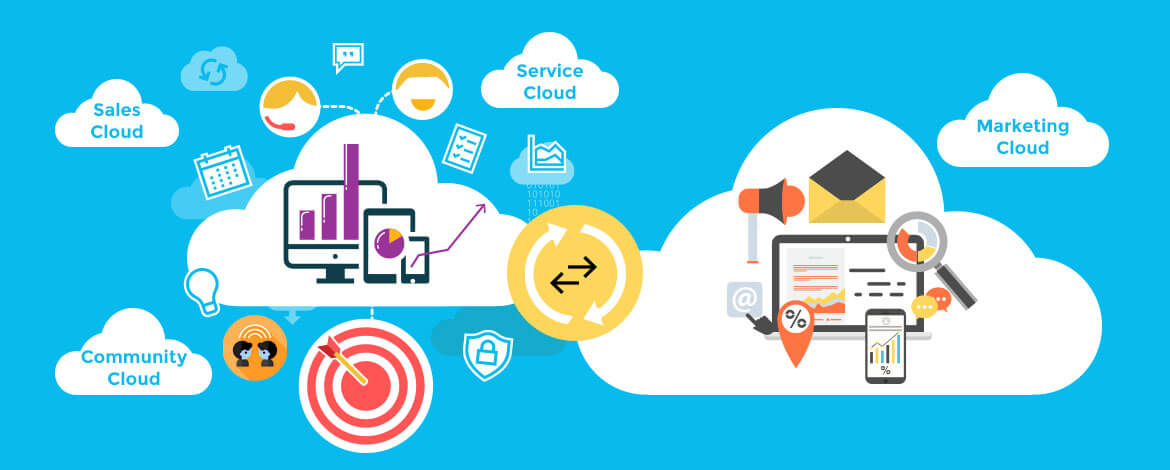
    Meanwhile, Cloud Marketing is a type of digital marketing that companies use to market the product or services online by using several tools and applications. 

    To market the products online, they use online applications such as websites, apps, web portals, social media platforms like Facebook, Instagram, Twitter, etc. Hence, These applications highlight the products on their platforms.

    In earlier days, the advertisement looks so different. They generally advertise products or services. In this case, they use TV, radio, newspapers, magazines, holdings, posters to promote the company’s products.

    But now the internet has open many fields and resources. So, You can spread your business from your home and share your products and services with customers.  

    Cloud Marketing

    Applications for Cloud Marketing

    Online software is an internet element that is useful for marketers to market their products. Thus, it reduces the marketer’s time and the company’s cost.  

    So, There are mainly two types of component used in online applications for cloud marketing which helps marketers to create and run an ad campaign effectively. Hence, These components are as follows:-

    1. Media:- Media allows marketers to share messages with people. Some examples of Media are:-
    • Facebook
    • Twitter
    • Instagram
    • Linked In
    • Youtube
    • Company’s official websites
    • Official Applications
    1. Tools:- Tools are used to create tasks for marketing and make the process faster and easier. Some examples of tools are:-
    • Google Social Reports
    • Google Analytics
    • SalesForce
    • Constant Contact

    What is Integrated Marketing? Complete Guide

    SalesForce Cloud Marketing

    SalesForce Cloud Marketing is a platform for Customer Relationship Management (CRM). So, This platform allows marketers to create and manage ad campaigns with customers.

    The SalesForced Cloud Marketing gives all features to manage the customer’s journey from starting and manage all essential steps during the process.

    For example, suppose you want to buy a laptop in EMI from any store. So, You searched for a laptop and bought it in EMI from the store.

    Now when you give details to the store, you will get some Welcome messages on your email and phone. After that, you will get your purchase details with a monthly EMI amount. 

    Then after one month, you will get a message by the store, In which they mention the EMI amount with the last payment date.

    Hence, After paying the EMI, you will get a “Thank You” message to pay all EMIs. You will also get birthday wishes and some promotional content during that time.

     Here they feed your details, and after that, this tool autogenerates the required message at the mentioned time.

    So, To get updated with the customers day by day is quite difficult. So this platform reduces the marketer’s time and costs.

    Cloud Marketing

    Who uses Cloud Marketing?

    In earlier days, it was not so famous, and marketers don’t have any resources for Cloud Marketing. So, They do it traditionally. Thus, they use TV, Radio, Print media, etc.

    But nowadays every marketing department of any company uses to market their products and try to spread it with everyone by using Cloud Marketing tools and applications.

    Cloud Marketing strategy 

    So, The aim of cloud marketing is straightforward. Meanwhile, Marketers should have to make strategies to advertise the product through online platforms and try to approach every user through the ad campaigns.

    Let’s see what strategies should be made to follow this aim:-

    Step 1:- First step for any cloud marketing is to establish a goal for a particular product. So, Here marketers should identify the real customers for the product and create an advertising campaign according to it. They should find the target consumers for the product by the following parameters:-

    • Geographic 
    • Gender
    • Age
    • Education
    • Demographic
    • Profession

    Step 2:- After deciding the goal and target customers, it is time to make creative content for the advertising campaign, So, which is done by the Creative team like graphic designers, content writers of the company.

    Step 3:- It is an essential step. After the creation of marketing content, it is ready to go online. Meanwhile, The developers and other technology experts move content online. 

    The person who knows the tools and applications of cloud marketing should handle the step. So, If it is not done correctly, all works will vanish.

    Step 4:- The primary key to success any campaign of cloud marketing is to have it look imposing and creative. 

    Therefore, you have to check all the links and websites that they should be work correctly and in running condition. Confusing contents, broken links, and under construction websites ruin all your hard works.

    Step 5:- It takes daily efforts and maintenance. So the technical team and marketers should monitor all the campaigns and respond to customers very well on websites, Facebook, Instagram, Twitter, and other platforms.

    So, Now let’s discuss if someone is looking to make a career in it. what are the skills should he require.

    How to Develop an Effective Marketing Plan in Just 7 Steps

    It's Time to Trust the Cloud » Innis Maggiore

    Required skill for Cloud Marketing

    Meanwhile, Particular interest and knowledge is the most essential skill for cloud marketing that every HR see on the candidate. 

    The marketers should know about all the applications and tools which is used for it. Hence, A marketer who doesn’t have enough knowledge of these applications may ruin the company’s ad campaign. 

    So, A marketer should be creative and forward-thinking. So, They should have a right Presence of mind and sense of humor to reply to the consumer’s reviews and feedbacks.

    A career in Cloud Marketing

    There are various career opportunities in Cloud Marketing. So, Major Job Profiles in Cloud Marketing field are as follows:-

    1. Marketing Technologist
    2. SEO Specialist
    3. Web Developer

    Marketing Technologist

    Salary (Annually in INR)INR1.8lakh- 6.4 Lakhs
    Minimum QualificationShould have training in both Marketing and Technology.
    WorksInteract with both Marketing and Technology. Create content and use all technical tools for marketing.

    SEO Specialist

    Salary (Annually in INR)INR1.5 lakh- 5. 4Lakhs
    Minimum QualificationShould have training in SEO and digital Marketing
    WorksOptimize the content according to search engines.

    Web Developer

    Salary (Annually in INR)INR2.2 lakh- 6.5 Lakhs
    Minimum QualificationBachelor degree in any Computer Science or related field or should have training on web development
    WorksMaintain all the technical aspects of the company’s online presence.
    Cloud Marketing

    Conclusion 

    The main goal of cloud marketing is straightforward. So, Marketers should have to make strategies to advertise the product through online platforms and try to approach every user through the ad campaigns.

    In earlier days, the company traditionally advertised the products or services. So, They used Televisions, Radio, Print Media like newspapers, magazines, holdings, posters to promote the company’s products.

    But nowadays, by the use of the Internet, you can spread your business from your home and share your products and services with unlimited customers.

    But in parallel, many fraud campaigns also run on the Internet and. Because of this, sometimes original content is ignored by consumers.

    Frequently Asked Questions

    What Is Cloud Marketing?

    Cloud Marketing is a type of digital marketing in which a company makes an effort to market the company’s product or services online using several tools and applications.

    Who uses Cloud Marketing?

    Every marketing department of the companies use Cloud marketing to market their products and try to spread it with everyone by using tools and applications.

    What is Salesforce Cloud Marketing?

    Salesforce Cloud Marketing is a platform of Customer Relationship Management (CRM) for marketers. This platform allows marketers to create and manage ad campaigns and marketing management with customers.

    What are the Job Profiles in Cloud Marketing?

    There are various career opportunities in Cloud advertising and Marketing. Major Job Profiles in it field are as follows:-
    Marketing Technologist
    SEO Specialist
    Web Developer

    What is the Strategy for Cloud campaign?

    To plan a successful cloud marketing campaign, an advertising team of the company should follow the following steps:-
    Step 1:- First step for any cloud marketing is to establish a goal for a particular product. Here marketers should identify the real customers for the product and create an advertising campaign according to it.
    Step 2:- After that deciding the goal and target customers, it is time to make creative content for the advertising campaign
    Step 3:- It is an essential step. The developers and other technology experts move content online. 
    Step 4:- Than you have to check all the links and websites that they should be work correctly and in running conditions.
    Step 5:- At last the technical team and marketers should monitor all the campaigns and respond to customers very well on websites, Facebook, Instagram, Twitter, and other platforms.

    What is the example of Salesforce Cloud Marketing?

    Suppose you want to buy a laptop on EMI from any stores. You search for a laptop and bought it on EMI from the store.
    Now when you give details to the store, you will get some Welcome messages on your email and phone. After that, you will get your purchase details with a monthly EMI amount.

  • Everything you need to know about Consumer-Generated Marketing

    Everything you need to know about Consumer-Generated Marketing

    So, Do you remember the “Pepsi- Crash the Pepsi IPL” campaign of Ranbir Kapoor and Virat Kohli?. It is a campaign of Consumer-Generated Marketing or Customer Engagement Marketing (CGM)

    Hence, Pepsi launched the ad campaign in India in which the company asked the viewers to create an IPL ad with Pepsi and upload it through the website and the selected ad will replace

    In Consumer-Generated Marketing, companies use their consumers or users for the ad instead of creating it by ad companies. Here we will know all the essential points about Consumer-Generated Marketing.

    So let’s check what are the main bullets about the topic:-

    Definition of Consumer-Generated Marketing

    Consumer-Generate Marketing is the type of marketing in which companies invite their consumers to develop Content for the company’s marketing campaign or review their products through blogs, articles, videos, images, podcasts, etc.

    Therefore Consumer-Generated Content is used to describe the company’s products. Videos and podcasts are the primary used Content for consumer-engagement.

    Social media post sharing and tagging, Whatsapp sharing, writing blogs, and articles about the product, product reviews, forum comments are Consumer-Generate Marketing. 

    Let’s check out some of its types.

    Consumer-Generated Marketing

    Types of Consumer-Generated Marketing

    There are many types of Consumer engagement marketing in which companies use to market their products or services.

    Companies communicate with consumers to participate in the campaigns and advertise their products. Here we will see some useful types of Consumer-generated marketing:-

    1. Using Products Review and Feedbacks
    2. Using Social media Sharing
    3. Contests.

    Using Product Review and Feedback

    In the era of the Internet, people are so aware. They check all the ratings & reviews before buying any products or services. They also read feedbacks given by the previous users.

    So companies give options for review and feedback on their website and App. Here, consumers can provide ratings, discussions, and feedback for a particular product. Companies use there reviews and ratings to promote their products and services.

    Using Social media Sharing

    According to The Hindu News survey, on average, Indian people spent 2.4 hours on Social Media platforms daily, which is vast.

    Therefore Companies target the social media platform to advertise their products or services.

    They interact with their consumers to post, tag, and share their product’s Content so that company builds trust for the products, and more and more people can engage with the products.

    Best Guide on Influencer marketing 2020

    Consumer-Generated Marketing

    Contests

    Companies can create contests campaigns for their products, so consumers interact with the product. The contest excites the consumers, which is beneficial for the company’s product.

    For Example, suppose you are a Salon owner. You have created a contest with the title “Self Makeup & Tips” in which people do self makeup with tips and share their pictures on social media with the hashtag #SelfMakeupWithTips. You will give prizes to the selected consumers. 

    Because of this, people will engage in this contest, and it will create the spark on social media, and you will get posts and tips content for your social media.

    Did you ever heard about consumer- generated content? No? Lets us show you what it is.

    Consumer-Generated Content

    The essential constituent of Consumer-Generated Marketing is “Content.” Consumers create Consumer-Generate Content is the Content to describe the company’s products.

    Consumer-Engagement Content includes Social media post sharing and tagging, Whatsapp sharing, writing blogs, and articles about the product, product reviews, forum comments.

    Meanwhile, the future is in audio and video content. So nowadays, making short videos and podcasts is also use for consumer-engagement Content. 

    For Example, you will know about “Technical Guruji.” What does he do? He creates videos on Youtube to give information about electronic technologies and newly launched mobile phones and gadgets.

    Therefore he also does unboxing of those mobiles which do not launch yet in India. Companies pay him to for reviewing their Cell Phones. So these all are the part of Content Generate Content and marketing.

    5 Best Consumer-Generated Marketing Campaign

    Many global companies use the Consumer-Generated Marketing campaign. Companies like Apple, Coca-cola, Pepsi, etc. are some of them who have used the CGM campaign for their advertisement.

    Let’s see some famous CGM campaign from global companies:-

    Apple- Shots on iPhone Challenge

    Apple had started a challenge to create awareness of the stunning camera of the iPhone. In this challenge, Apple invited its iPhone users to capture awesome photos and upload it on Instagram or Twitter with the hashtag #ShotsOniPhone.

    Thus, the company selected ten best clicks and featured it on the billboard and display on significant cities and apple stores. Through this campaign, Apple showed it’s camera quality and build trust with other consumers.

    And after sometimes it became a worldwide movement in itself.

    Consumer-Generated Marketing

    Coca-cola- Share a Coke

    Coca-cola started a campaign under Consumer-Engagement Marketing. In this, coca-cola removes its brand tag from the bottle and replace it with the most popular or common name and line “Share a Coke.” Consumers asked to share a picture of their bottle on social media with the hashtag #ShareACoke.

    However, this campaign started in Australia in 2011, and after some time, it spread over 80 countries. And the company got a high consuming rate through this campaign.

    United Nation Environment-Beat Air pollution 

    The organization uses some CGM campaigns for the human cause. An attack was started by the UN to people aware of and reduce Air Pollution.

    In this campaign, the UN Environment asks people to share a picture of themselves with masks and be the part to beat Air pollution. Users were also asked to tag their friends and family and make a chain with the hashtag #BeatAirPollution.

    Consumer-Generated Marketing

    Pepsi- Crash the Pepsi IPL

    As we have discussed this earlier. Pepsi- Crash the Pepsi IPL is the campaign of the Pepsi company, which was a feature by Ranbir Kapoor and Virat Kohli.

    Meanwhile, Pepsi launched the ad campaign in India in which the company asked the viewers to create an IPL ad with Pepsi and upload it through the website. And the selected ad will replace the official advertisement of Pepsi and showcased on Social media platforms and TVs.

    Starbucks- White Cup Contest

    This campaign started in the US and Canada by Starbucks. They encourage their customers to use Starbucks’s cup and doodling on that.

    Therefore in this campaign, Starbucks wants that people doodling on their white cup with the hashtag #WhiteCupContest and selected design were printed on limited edition Starbucks reusable plastic cup.

    What is Experiential Marketing? A complete Guide

    How to plan and run the campaign

    Meanwhile, To run the Consumer engagement Marketing campaign, we should plan it very well according to the targeted consumers. The Consumer-Generated campaign strategy are as follows:-

    1. Choose target consumers wisely for which you want to create the campaign. So, You can decide on their gender, age, location, etc. 
    2. Hence, Make sure that the brand value and reputation of the company should be managed. A Team or any company’s member should lead the campaign so that your brand value intact.
    3. So, Offers, Gift vouchers, incentives should be given to the consumers.
    4. The company should be active and responsive on the websites, apps, and social media platforms so that they can reply to consumers about campaigns, reviews, and feedback.
    Consumer-Generated Marketing

    Advantages of Consumer-Generated Marketing

    There are the following benefits and advantages of Consumer-engagement Marketing:-

    • CGM is beneficial and inexpensive. 
    • So, Here consumers will promote your products or services, which creates trust on other customers and generate more leads for the products.
    • Also, it is very cost-effective. It will reduce the advertising cost of the product, and the conversion percentage is also high in the CGM.
    • CGM gives the review and positive feedback to other new consumers, so which helps them to buy the products.
    • CGM increases the CTR (click-through rate) on Social Media ads.

    Conclusion

    Content Engagement Marketing is so useful for companies. Ratings, Reviews, and Feedbacks build brand value and trust. People buy products or services quickly because of those ratings and reviews. It is also very inexpensive. Hence, It reduces the advertising cost of the company.

    But there should be monitoring from the company side who monitor Consumer’s activity and CGM content. Harmful Content can reduce the brand value of the company, so it is essential.

    Frequently Asked Questions

    What is Content Generated Marketing?

    Consumer-Generate Marketing or CGM is the type of marketing in which companies invites their consumers either to develop content for the company’s marketing campaign or review about their products through blogs, article, videos, images, podcast, etc.
    It is also known as Consumer-Engagement Marketing.

    What are the main types of Consumer-Generated Marketing?

    The main types of Consumer-generated marketing which are useful on CGM are as follows:-
    Using Products Review and Feedbacks
    Using Social media Sharing
    By Contests.

    Why companies use CGM?

     CGM is a so effective market strategy for today’s generation. There are the following benefits and advantages of Consumer-engagement Marketing:-
    Here consumers will promote your products or services which create a trust on other customers and generate more leads for the products.
    Also, it is very cost-effective. It will reduce the advertising cost of the product and conversion percentage is also high in the CGM.
    CGM gives the review and positive feedback to other new consumers which helps them to buy the products.
    CGM increases the CTR (click-through rate) on Social Media ads.

    What is Consumer-generated Content?

    Consumer-Generated Content is the content created by consumers to describe the company’s products.
    For example Social media post sharing and tagging, Whatsapp sharing, writing blogs, and articles about the product, product reviews, forum comments.

    Consumer Generated Marketing?

    Consumer-Generate Marketing is the type of marketing in which companies invite their consumers to develop Content for the company’s marketing campaign or review their products through blogs, articles, videos, images, podcasts, etc.

  • BSE listing – Route to business expansion

    BSE listing – Route to business expansion

    Did you ever think? Why is BSE listing important for a company? Why companies list themselves in the Bombay Stock Exchange? In this blog, we will know three things that you should know about the Bombay Stock Exchange listing before listing your company to Bombay stock exchange.

    What’s in it for me?

    Bombay Stock Exchange or BSE is an Indian stock exchange at Dalal Street in Mumbai, India. It was established in 1985.

    Mr. Premchand Roychand was a founding member of the Bombay stock exchange. The Bombay stock exchange is Asia’s oldest stock exchange and 10th largest stock exchange body globally.

    What is BSE listing?

    The Bombay stock exchange is a securities market Index. Generally, companies list themselves in BSE to generate funds for their business and grow their company.

    When a company plans to issue Initial Public Offering (IPO), they list themself in the Bombay stock exchange. Now you must be thinking, what is IPO?

    The Initial Public Offering (IPO) is a process where a company offers its share to the institutional investors, retail investors, public. The company issue shares to the public and provides them ownership of the company.

    Therefore through the Initial Public offering, the company lists its name in the stock market. BSE listing companies allow the market to trade with their shares.

    BSE bags spot among world's 10 most valued exchanges; Nasdaq tops chart |  Business Standard News

    Why list on BSE?

    To run a business, a company needs capital. In the earlier stage, a company raises funds by approaching friends, family, or relatives.

    Then in the next stage, when a business has started, and the company requires more funds to operate in the marketing, angel investors help them run the company.

    Angel investors are the businesses and entrepreneurs which improve and help companies in their business. However, these investors take some equity of the company.

    Finally, the company is established and looking for more growth.

    This is the situation where BSE listing enters. By listing the company in the Bombay stock exchange, a company will start to grow more. A company is now eligible to raise funds by issuing shares.

    By initial public offering (IPO), a company allots shares to the public after it is ready to list in the BSE and NSE.

    BSE listing helps a company to raise capital. The leveraging ratios get more attractive, and the capacity to raise debt increases.

    Other than this, when a company lists in Bombay stock exchange, it enhances the visibility and credibility of the company. A company gets a broader capital base and an increase in working capital.

    Moreover, a company can raise funds at low rates and comparatively on relaxed norms by BSE listing.

    BSE Sensex and Nifty ends red after two days green

    How to list on BSE?

    The Bombay stock exchange has various criteria for different companies in the market.

    Let’s start with startups

    BSE Startup platform provides a friendly environment to the entrepreneurs and Investors. This platform helps them to list their company in the stock exchange and open for the way of finance for further growth and development.

    Bombay stock exchange has a platform called “BSE SME” for small media enterprises and startups. BSE Startup is for new companies that are registered under the Startup India Standup India scheme.

    Through the BSE SME platform, startups can avail INR 25 lakhs to INR 1 crore as initial investment by BSE listing.

    Terms to list company in BSE SME

    • A company should have issued the capital of INR 3 crore minimum after listing in the Bombay stock exchange.
    • It should have at least three years of experience with tangible worth INR 3 crore.
    • In the case of a new company other than startups, INR 5 is the minimum issued capital for SMEs for BSE listing.
    • For high tech startups, no minimum capital, no past records are required for registration and listing process.
    • A company should be registered as a limited liability company (public limited) under the committee of the ministry of government.

    Listing Criteria for company

    • The company should have a website with all the details of the company.
    • The minimum application and lot size should not be less than INR 1 lakh.
    • 50% of independent directors on the board should agree.
    • The company should have a full-time company secretary.
    • No ending petition is admitted in court.
    • No regulatory cases were pending of the company or its directors.
    • The company should not be a part of the Board of Industrial and Financial Reconstruction (BIFR). However, if the company has come out of it, then, in that case, it is eligible for BSE listing.

    Migration from BSE SME to the Main Board 

    When a company settles in the platform, it can migrate to the leading board platforms to compete with giant companies.

    Here are some parameters a company should follow to migrate from the BSE SME platform to the Mainboard platform after BSE listing.

    • The company should be listed and traded in the BSE SME platform for at least two years.
    • At this stage, the company should have a paid-up capital of minimum INR 10 crore or more and market capitalization of INR 25 crore or more.
    • Shareholder approval to be sought by special resolution and other eligibility criteria of the main board should be fulfilled.

    In the case of underwriting:- 100% underwritten by the underwriter. Under section 106P(2) of Issue of Capital and Disclosure Requirements (ICDR) regulations, at least 15% of the issued size be underwritten by the merchant banker in his account.

    Generally, the Marchant banker is the broker who acts as a link between the company and the investors. A Marchant banker knows the necessity of business. He helps to fulfill the financial needs of the company.

    Therefore he has the authority to underwrite corporate securities and advice on issues like Merger.

    In the case of market-making:- At least 5 market-making people are required three years of market-making. It is mandatory to have the liquidity of shares in the company and a minimum one year from the date of registration.

    Let’s discuss

    How much will it cost to list a company in BSE?

    The capital includes Equity shares, preference shares, fully as well as convertible debentures, Indian depository receipts, etc. In the case of debenture capital listed before 1 April 2017, the fee will be 75% of the below fees.

    In the case of Equity segment

    • The initial listing fee is INR 20000. After that, if the listed capital is more up to INR 100 crores than INR 2.5 lakhs annually for commonly listed companies and INR 3 lakh for exclusively listed companies.
    • Listed capital of a company of INR 100 crores but up to INR 200 crores than INR 3 lakh annually for commonly listed companies and INR 3.25 lakh for exclusively listed companies.
    • From the listed capital of INR 200 crores to INR 300 crores, the annual listing fees will be INR 3.75 lakhs.
    • Above INR 300 crores but not more than INR 400 crores, the annual listing fees will be INR 4.50 lakhs.
    • From INR 400 crores to INR 500 crores, then INR 6 lakhs will be the annual listing fee.

    If the listed capital exceeds INR 500 crores to INR 1000 crores, the annual listing fee will be Rs. 6.05 lakhs with additional listing fees of Rs. 3530 for every increase of Rs. 5 crores.

    For the listing capital of Rs. 1000 to 2000 Crores than the annual listing fee is 9.90 lakhs with additional fees of Rs—3930 on every increase of Rs. 5 Crores.

    In the case where the listed capital exceeds Rs. 2000 to Rs 3000 Crores than the annual listing fee is Rs 10 lakhs + Rs 4270 additional on the increase of every five crores.

    Above Rs, 3000 crores listing capital Rs10.20 lakhs is the annual listing fee with addition to Rs 3910 on every increase of Rs 5 Crores.

    All the fees are applicable for the full year.

    In the case of Private debt securities 

    The initial listing fee of privately placed debt securities is the same as the equity segment. Rs 20000.

    The listing processing fee is applicable only for private companies, which is Rs. 4500 per ISIN and with issued size up to Rs 5 crore is Rs. 2500 per ISIN.

    If the issued size is more than Rs 5 crore but up to 10 crores, the annual listing fee is Rs 3750 per ISIN.

    If the issue size lies between Rs. 10 Crores to 20 Crores than in that case, Rs 7500 per ISIN.

    However, if the issue size is above Rs 20 crores than an additional fee of Rs. 200 for every increase of 1 crore.

    In the case of the SME segment

    The annual fee is INR 25000 or 0.01% of full market capitalization. Whichever is higher.

    In the case of the Mutual Fund segment

    In the case of the mutual fund segment, the initial listing fee is nil. The annual listing fee for the tenure of scheme payable every month or part thereof. With the processing fee of Rs. 10000.

    • In the case where issued size is up to Rs. 50 crore than Rs 1000 per month.
    • In the case where issued size is up to Rs. 100 crore than Rs 1300 per month.
    • If the issued size is above Rs.100 crore up to Rs. 300 crore than Rs 2800 per month.
    • If the issued size is up to Rs. 500 crore than Rs 5300 per month.
    • Between Rs. 500 to Rs 1000 crore than Rs. 9300 per month
    • and above Rs. 1000, the annual listing fee will be 14800 per month.
    BSE listing - Route to business expansion

    Conclusion

    Finally, in this blog, we discuss various topics from What is BSE listing to How much will it cost to list a company in BSE. BSE listing is a great platform to raise funds. The best thing about BSE is that it has funding and trading platform for every business.

    A new company can also list them in BSE and avail the benefits of it. So, in my view, you have to list your business on the BSE platform. It will increase the authenticity and build goodwill in the market. It also helps you to raise funds according to your need.

    FAQs

    1. What is BSE Listing how can it help the business?

    BSE listing is a process where companies list themselves on the BSE platforms to trading in stock exchange. This will raise funds for the business. 

    2. What are the criteria to list high-tech company?

    Generally a high- tech new company can list in the BSE SME platform. Its does not require any prior expirence and issue capital. 

    3. Is it compulsory to have a website for listing?

    Yes, it is compulsory to have a website to list on BSE platform. The website shloud have every information related to the company (from contact details to operations)

  • Accelerator vs Incubator- Step By Step Complete Guide

    Accelerator vs Incubator- Step By Step Complete Guide

    Are you about to start a Business? So, Or are you looking to mentor your startup? If yes, then you are in the right article. Hence, In this blog, we will tell you about the business accelerator and Incubator and what you should choose for your startup.

    What’s in it for me

    Are you planning to do business? Also, Are you about to start your own company? According to Money Control, 90% of Indian startups fail in the first five years source

    So, Running a startup is not an easy task. It requires knowledge, funding, investments, experience, and many more things.

    Therefore this is where accelerators and incubators come to help these startup businesses. Let’s check out what these accelerators and incubators are and how these programs work.

    Accelerator vs Incubator

    What is a business accelerator?

    Business Accelerators work for companies and startups to grow their business and guide them for a short period. Usually, they provide services for 3 to 4 months. Meanwhile, The accelerator increases the size of the company.

    Accelerators invest some money in the startups to grow them, and in return, they take some percentage of equity. Accelerators generally charge for their services.

    Generally, accelerators work for startups to boost their company in the initial stage. They provide seed funding, guidance, and help them to convert their ideas into reality.

    Accelerators focus on increasing the valuation of the startups. Accelerators focus on scaling up the businesses unless making them profitable.

    Now we have an overview of what a business incubator is. Let’s know how it works.

    How does business accelerator work?

    As we have discussed above, a business accelerator helps to grow the startup in the initial stage. The accelerator programs are different from Venture capitals.

    Accelerator programs mentor the startups and help them grow. They rarely profit investments and charge for their services, whereas venture capital is a funding mechanism that primarily aims at financial funding.

    A business accelerator is funded and run by successful businesses and well-established corporates. Their main aim is to mentor startups.

    They provide structural guidance and prepare them for the market and grow them to get their first round of funding. The duration of an accelerator program lies between 4 to 6 months, depending on the program you choose.

    For all these services, accelerators charge a fee or some part of equity.

    These are some examples of Business Accelerator.

    Here are Indian based accelerators.

    However, this is not the case with an incubator. Let us know what an incubator is and how it works.

    Accelerator vs Incubator

    What is a Business Incubator?

    Business incubators help businesses, entrepreneurs, and startups grow their companies until they get the first round of their funding. They work for long term periods depending upon the program. They usually don’t charge or take little to no equity of the company.

    These programs usually funded by grants, universities, governments. The Incubator mentors the startups by providing guidance, workspace, networking, and many more services that help the startup grow.

    Incubators do not provide any funding or investment, but they prepare the startups to get funding and settle in the market.

    Now we have an overview of what a business incubator is. Let’s know how it works.

    How does business Incubator works?

    The concept starts in America and now booming in countries like India. A business incubator is a company that helps new and startup companies to develop by providing services such as management, networking, training, office space etc.

    According to the National Business Incubation Association (NBIA), -A business incubator plays a significant role in national economic development.

    A business incubator provides mentorship to avoid mistakes. They provide secure funding options and valuable networks and connections.

    Incubator provides marketing assistance and several other business-related services. They have reliable contacts for funding and loans. Thus, they have access to angel investors and venture capital.

    In incubator programs, the mentors ensure the overall growth of the startups and their members. For this, they improve their presentation skills. They provide links with strategic partners, higher education resources.

    The Incubator will get some percentage of the company in return for their services and grow it to the first level of funding. Generally, incubators don’t charge for their service like an accelerator.

    Therefore It is not a funding mechanism like the venture capital and angel investor. However, An angel investor is a successful entrepreneur or a business that invests in the startup and takes some equity in return.

    Accelerator vs Incubator

    Types of Business Incubators

    There are different types of incubators in the market that help startups grow and stabilize enough to survive in the market.

    To begin with

    Academic institutions

    Academic institutions like universities run their incubator programs to promote startup culture among students. These institutions generally provide seminars, working space, and guidance to grow startups.

    Non-profit development corporation

    There are non-profit corporations that provide incubator programs for free. Generally, these corporations are by the government and Non- profit organizations to encourage startup culture.

    These corporations provide guidance, workspace, networking, management, and many more things which we have discussed before.

    For-profit property development venture

    Similarly- profit venture provides incubator services and charge some amount of fees or share in equity.

    Venture capital firm

    Venture capital firms generally provide funding to startups. However, their main motive is to increase the valuation of the startup. Therefore, they do not focus much on profit-making.

    Combination of all above

    Finally, there is one more category, which is a combination of all these companies that have all the qualities and services of all the incubators.

    However, joining an incubator program is not an easy process as an accelerator. A startup has to pitch the Incubator to join their program.

    Incubator programs have very tough competition for admission when compare to the accelerator model.

    Some more drawbacks of the Incubator are that the scheme revolves around the mentors, and you have to take others’ opinions and inputs in your startups.

    These are some examples of Business Incubator.

    Here are Indian based accelerators.

    Accelerator vs Incubator

    Comparison between Accelerator vs. Incubator?

    Purpose The main purpose of the business accelerator is to accelerate the business in the initial stage. While Incubator focuses on converting an idea into reality by providing them all the resources.

    Duration A duration of an accelerator program lies between 4 to 6 months. In comparison, incubator programs lie between 6 months to 1 and a half years or more depending upon the project or program policy.

    Availability, On the one hand, it is easy for startups to join the accelerator program. But on the other hand, it is difficult to join an incubator program because of high demand and high competition. 

    Fees The accelerator generally charges for services. In some cases, they take some percentage of equity. Meanwhile, the incubators usually do not charge for their services. In some cases, they rarely charge little to no money. 

    Funding Opportunity Accelerators have a more extensive network with VC, angel investors. Their primary focus is to increase the valuation and prepare for the first round of funding.

     Incubators do not focus on funding instead of that they focus on stability. Their main aim is to make the idea into something that attracts the investor.

    Source of Funding These are for-profit corporations established by business and successful corporations. On the other hand, these are non- profit corporations. Universities and governments run these programs.

    Conclusion

    To conclude what we have discussed in this blog. Firstly we have discussed what an accelerator is and how it helps boost the startup in their starting phase.

    Secondly, we have discussed what incubators are how they help startups from scratch. In addition to that, we have seen some of the examples and comparisons between the two.

    However, both corporations help to support startups. They both promote startup culture. If you are looking for something that can help you grow your business in a short time, then a business accelerator is the right choice.

    Meanwhile, they provide infrastructure, mentorship, seminars, and workshops, funding in exchange for equity in the company, Legal guidance, Networking opportunity, etc.

    But on the other hand, if you are someone who needs infrastructure, networking, financial advisory/ intellectual property teams/ legal advisory, contacts for potential investors, manufacturing, initial financial support, training, and guidance, than Incubator will be a good option for you.

    FAQs

    1. Which is better accelerator or Incubator?

    It depends on your needs and stage of your business. If your business is at an early stage and looking for fast growth then you should go for an accelerator.
    But if you have an idea and you are looking for guidance and necessary resources than you should go for Incubator.

    2. How much accelerators charge for their services?

    Generally, business accelerators charge a little percentage of equity and program fee. It can be on a monthly or lump sum. 

    3. Who fund incubators and how much they charge for their service? 

    Incubators usually funded by government, universities and other educational institutions.They do no charge for their service. In some cases they take little to no percentage of equity.

    4. How is accelerator different from venture capital? 

    Accelerator helps the business to grow by providing necessary resources and fund a little amount in the business. But venture capital is a funding mechanism that aims to fund business to increase the valuation of the company.

  • The Ultimate Guide to Raise Funds by BSE

    The Ultimate Guide to Raise Funds by BSE

    Money is the most significant element that is required to run any business. Do you know how we can raise funds by BSE? Yes, I know by listing our business on BSE. But do you know how it is done? So, in this blog, we are going to explore how to raise funds by BSE.

    What’s in it for me?

    What is Fundraising?

    Fundraising is a process of arranging funds for a business. Funds are an essential part of a business. They act as blood for business. It is challenging to run and grow a business without money. .

    But knowing how to get funding, let’s get familiar with different levels of funding that a business raises during its entire life.

    Firstly in the stage of Startup

    In this case, the startups’ founder is looking for an initial fund to start their business. Therefore the owner raise fund from friends, family, and relatives by borrowing. It is difficult for a business to raise funds by BSE in the initial stage.

    Secondly in the stage of early Startup

    Usually, in this stage, when the business starts operating in the market it needs working capital to run the business properly. For this, they look for angel investors.

    An Angel investor is successful businessmen or entrepreneur who invest in the business and fulfill the monetary needs. However, Angel investors take some percentage of equity in return. It is difficult for a business to raise funds by BSE in the early stage.

    The ultimate guide to Raise Funds by BSE

    Growth stage of a startup

    On the other hand, venture capital is a funding mechanism that invests in startups and helps them grow. They provide seed capital for business. Thus, venture capital increases the valuation of the Startup.

    Venture capital generally seeks technology, biotech, software-based companies. However, Venture capital does not focus on profit-making. In the growth stage, venture capital can help the business to raise funds with BSE.

    Their primary focus is to increase the size of the valuation. It works at high risk. Venture capital focuses on sales and market share so that they can raise more funds from the market.

    Business loan by banks

    Not everyone can approach and pitch the angel investor or venture capital. Another way to get funds for business is through bank loans. Banks provide business loans on interest rates of 11% to 16% annually.

    Banks loans are much more comfortable than taking funds from investors.

    Maturity stage of a startup

    In the maturity stage, startups usually seek private equity investments. Unlike venture capital, private equity focuses on all types of businesses, whether manufacturing, retail, IT, or FMCG.

    It demands stability in business. Private equity mainly focuses on profit-making. It brings growth capital for business. Private equity works at low risk. It gives stability and profit to a business.

    Private equity generally comes at the stage of expansion. It gives comfort to repay investment money, Unlike bank loans. Private equity exits by issuing the IPO of the company in the market where a company can raise funds with BSE. 

    Stage of expansion

    After the growth stage and maturity stage when a company seeks expansion. The best way to do it is by IPO.

    Initial Public Offering(IPO) is a process of offering shares of the company to investors. The company sold the shares to investors to raise funds for working capital, debt repayment, etc.

    By IPO, entrepreneurs list their companies on the BSE to raise funds from the public.

    Let’s understand what BSE is? What are the funding platforms? And how to raise funds in BSE.

    The ultimate guide to Raise Funds by BSE

    Introduction to BSE

    BSE (formerly Bombay Stock Exchange) established in 1875. It is Asia’s oldest and now the world’s fastest Stock Exchange. BSE is India’s leading exchange group and has played an essential role in developing the Indian capital market.

    The BSE provides an efficient market for trading in equity, debt instruments, debentures, currency, interest rate, mutual funds, and stock trading.

    BSE also has a successful platform for trading in equities of small and medium enterprises (SMEs). BSE also has a platform for fundraising.

    It has a global reach with customers across the world and a nation-wide presence. BSE’s systems and processes are designed to protect market integrity.

    Raise funds by BSE platform

    To promote the startup culture, the Bombay Stock Exchange is Asia’s oldest exchange launched the ‘BSE Startups’ platform on December 22, 2018.

    As part of the launch, the leading external currency market has signed an agreement with Cornerstone Ventures Investment Advisers LLP and Venture Catalysts Private Limited. This initiative will help startups to raise funds by BSE.

    The collaboration with the two firms will help the BSE to incentivize the startups in the field of IT, Fintech, 3D printing, biotechnology, and life sciences, space technology, and e-commerce.

    The platform will also help in listing startups of hi-tech defense, drones, genetic engineering, nanotechnology, artificial intelligence, big data, virtual reality, e-gaming, and robotics.

    According to Ashishkumar Chauhan, MD & CEO, BSE, -, “BSE is the origin of capitalism in India. Bombay Stock Exchange helped India to create a wealth of more than USD 2 trillion.

    In the future, hi-tech startups will require less capital but will be able to create Excessive wealth. Indian youth need to get involved in more startups and raise funds from other Indians using BSE Startups platform.

    Hi-tech companies will come and raise funds from investors through this platform, helping immense wealth creation for startups, investors, and the country by creating jobs.

    How to raise funds by BSE

    Till now, we have learned what BSE is, and It’s funding platform. Let’s explore how to raise funds on the platform.

    The BSE has a startup platform called BSE SME for startups and small, medium enterprises. This platform allows SMEs and startups to list their company in BSE.

    In the last eight years, more than 311 companies have been listed in BSE. Out of which 66 companies have been migrated to the main board platform, They raise ten crores on an average.

    BSE listing will help the companies to build the trust for funds. BSE promotes capitalism without capital. Investors from different places can invest in the company through the BSE platform.

    The ultimate guide to Raise Funds by BSE

    Procedure for listing

    A company with three years of market experience can list their company in the BSE. A company will have an issued capital of Rs 3 crores after listing in BSE.

    The company raises funds by BSE on the basis of their equity. A new company that is registered in Startup India can raise a fund of Rs. 25 lakh to 1 crore.

    Especially High tech companies can list their companies and raise funds with zero capital and no prior experience.

    Firstly the company has to appoint a merchant banker who helps them in listing.

    Then the merchant banker will arrange all the documents and formalities for the listing like material contracts, the financial documents, promoter details, government approvals, etc. and prepare documents for IPO, which include IPO structure, share issuance and other financial requirements. 

    After the documentation process, the draft prospectus and DRHP are submitted to the stock exchange.

    The BSE official will visit the company site and verify all the documents

    For more detailed information about BSE listing, you can read our blog on BSE listing. After the post, site visit the promotor interview listing advisory committee

    After a satisfactory interview and site visit, The BSE will issue an In-principal approval.

    That the ROC approves the opening and closing date of the issue, the Marchant banker intimate the exchange about the opening dates of the issue along with the required documents. Source

    At last, the Initial Public Offer (IPO) opens and closes according to schedule. The company submits the documents to the BSE SME for allotment. After the allotment, BSE issues a notice for listing and trading.

    So this is how a company starts issue IPO and raise a fund using BSE.

    The ultimate guide to Raise Funds by BSE

    Conclusion

    We have seen in this blog that capital is required in every stage of business. In this blog we understand that what is fund raising and what are the stages of funding. Then we see how a business can raise funds with BSE and what are the procedure of doing it.

    FAQs

    1. When will a company raise fund with BSE?

    A new hi-tech company that is resisted in startup India can list in BSE directly. For a company other than hi-tech has to follow the listing criteria.

    2. What are the criteria to list company in BSE?

    A company should have issued capital of Rs. 3 Crore after listing. A company should have at least 3 years of experience.

    3. How much money does a company raise with BSE?

    A new company that is registered in Startup India can raise a fund of Rs. 25 lakh to 1 crore.

  • Beginner’s Guide to Affiliate Marketing

    Beginner’s Guide to Affiliate Marketing

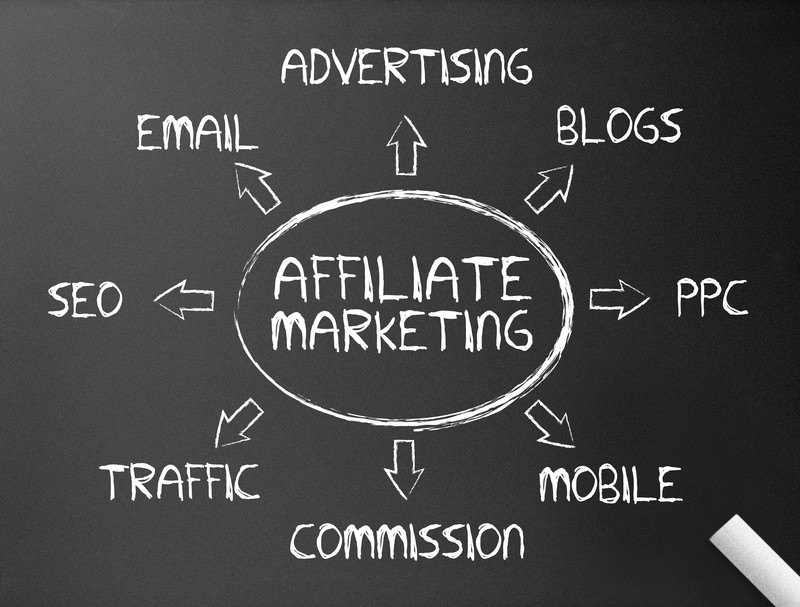
    Did you ever think about earning money while sleeping? Yes, you read it right. We are in the 21st century, and this thing is possible. Have you ever heard of Affiliate marketing?

    Affiliate marketing is a marketing process where a company, brands, or organizations market their products and services by third parties on a commission basis.   

    What you are going to learn

    What is Affiliate Marketing?

    Firstly let’s understand what Affiliate marketing is. It is a marketing technique where companies, brands, and organizations sell their products and services through affiliates.

    It’s all started with incentivizing the products and services by referred businesses. These Businesses started paying commissions to third parties and are considered to sell their products.

    Generally, people get confused affiliates with a referral, but both are different forms of marketing.

    However, Affiliate marketing promotes financial motivation while, on the other hand, referral marketing aims at personal relationships and trust.

    Choosing the Right Affiliate Marketing Clientele| Informatics Inc.

    It is a commission-based marketing technique where the affiliate gets a commission on every sale of product and service.

    The affiliate marketers promote the products thought their Websites, social media pages, YouTube channels, blogs, etc.

    Generally, affiliates use affiliate links to the sale of the products and services of the company or brand.

    So, whenever a person clicks on the affiliate link and purchases the product or avails the services, the affiliate gets a commission.

    Who are affiliates?

    Affiliates are individuals or companies (merchants, retailers, advertisers) who promote the good or services of brands.

    Mostly these individuals market the products on their content like blogs, videos, social media profiles, podcasts, etc.

    And as we have discussed above, these affiliates get paid for it.

    Various Types of Publishers in Affiliate Marketing -

    Types of Affiliate Marketing

    Now we have discussed what actually affiliate marketing is.

    Let’s discuss some types of it.

    There are majorly three types of Unattached, related, and involved affiliate marketing.

    To begin with:-

    Unattached Affiliate marketing

    These types of marketing techniques include search engine marketing campaigns and PPC (Pay per Click). In this type, an affiliate does not require any particular niche or social media presence.

    You just have to promote the product or service provided by the brand or a company by using an ad campaign.

    In unattached affiliate techniques, affiliate use pay per click skills to generate traffic by social media advertising, search engine optimization, and Google Adwords.

    The affiliates usually use paid models to advertise the product or service. The main motive of these affiliates is to connect to the audience, generate traffic, and convert leads.

    For example Ads symbol in yellow mark above the meta description of a website in a google search.

     Moving on towards the second type:-

    Related Affiliate Marketing

    In this type of marketing technique, an affiliate should have an online presence to market the products and services.

    An affiliate use niche related websites, blogs, social media handles like Instagram, Facebook, youtube channels, and podcasts to advertise the product and services.

    For example, Kylie Jenner promoting beauty products on their Instagram post. If anyone wants to purchase the product, he/she should purchase it by clicking on the affiliate link mentioned in the description.

    So, in this case, Kyle Jenner will get a commission on every purchase of that product.

    Many bloggers and YouTubers use affiliate links, banners, coupons to market products and services for which they receive a commission. So many content sites use these techniques to generate revenue.

    Last

    Involved Affiliate marketing

     In this case, affiliate marketers promote the products which they use it personally. Affiliates have a strong involvement with their audience.

    They build their audience before offering them any product or service.

    People involved in affiliate marketing build trust and connections with their audience. Their audience has faith in these marketers.

    As a result, on the basis of trust and relationship, affiliates sell the products and services to their audience. There are lots of review sites which people trust before opting for a product or service.

    For example, People check the reviews of the product on Amazon customer reviews before purchasing them. People trust the authority of Amazon.

    What is Affiliate Marketing & How Does it Works? | ProiDeators

    Similarly, people check the reviews of movies on IMDB before watching any movie.

    How does Affiliate Marketing work?

    The one who does affiliate marketing called an affiliate. These affiliates get paid on the bases of lead conversions.

    Let’s discuss how to become an affiliate and how this whole ecosystem works.

    1. Enroll in an Affiliate Program- To become an affiliate; a person needs to sign up in an affiliate program. Usually, affiliate programs are free. So you can easily signup in it. For example Amazon affiliate program.
    2. Now, after the registration, a specialized link is provided to the affiliate with the username or ID. Therefore this link is called an affiliate link.
    3. The Affiliate link– Now you have successfully signed up in an affiliate program. You have your affiliate link. This link is the most important tool in this whole process. 
    4. What happens is when a person clicks on the affiliate link. It stores some cookies in the browser which track the moment of the person who clicked on the link. 
    5. Affiliate Commission – Now, if the customer purchase or place an order of the respective company, he will get a commission.
    6. However, the link will automatically track the order and list the lead to the affiliate’s account. As a result, an affiliate gets his commission.
    7. The affiliate commission varies from 0.2% to 12% depending upon the product and services and the policy of the affiliate program.
    8. Who can be an affiliate? There is no such educational qualification required for such work.
    9. However, if a person can produce written content or any type of digital content. He is eligible to become an affiliate.

    How much does Affiliate Marketing pay?

    As we have discussed in this blog, an affiliate will get paid whenever a person uses his link to avail of a product or a service. At this point, you must be thinking how much does affiliate marketing will pay you?

    The perfect answer for this is it varies from person to person. The more people use your link, the more you will earn. However, in many cases, it depends upon the product or services you are promoting.

    An affiliate should have a good network of audiences. Affiliate commissions vary from affiliate program to program.

    Physical Products

    Physical products have a low commissions rate; also, the conversion rate is less as compared to the other services. A person should have trusted audiences to well build networks to market the product.

    Suppose a person can market the product or services by his website, social media pages, and digital content. The best example of Physical products is the Amazon associates program.

    Amazon Associates Program

    Amazon has the world’s largest affiliate program, which mainly focuses on physical products. This program allows you to promote any item from the website.

    Amazon has a wide verity of products whose affiliate commission would vary from 1% to 10% depends upon the product category.

    Digital Products

    Generally, E-books, Kindle, and online courses are a part of digital products. These digital products have huge affiliate commissions.

    But again, as we have discussed before, the commission varies from product to product. In the case of digital products, the commission will cost 15% to 75%.

    Therefore it is more rewarding than physical products.

    Conclusion

    Firstly we discussed in this about what is affiliate marketing. Later on, we have discussed who are affiliates how a person can become an associate. This is how the entire ecosystem works.

    In the end, we have discussed how much does it pays and what are the products and methods are used in it.

    To summarize everything, affiliate marketing can be a source of passive income. Affiliate marketing will not make you rich, but it will help you to achieve your financial goals. It will add some extra bucks in your bank account.

    FAQs

    1. Can Affiliate marketing make you rich?

    It depends upon how you do it. You can do it part-time if you want to make a living, then it will take time.

    2. Can Affiliate marketing be done without a website?

    Yes, it is not necessary to have a website for it. You can use your social media platforms and networking to do affiliate marketing.

    3. Who offers Affiliate marketing?

    There are various online platforms that offer affiliate programs.
    For example Amazon Associates, Awin, Clickbank

    4. How Affiliate marketing works on Instagram.

    By using affiliate links in the description. When a person buys the product using the link. The influencer gets his commission.

    Who can do affiliate marketing?

    5.
    Any person who has a strong network, who have an audience that he can influence. The person can do it easily.
    For example,
    Social media influencers, bloggers, YouTubers.

  • Investor Relation (IR) – Meaning and its Importance

    Investor Relation (IR) – Meaning and its Importance

    Meanwhile, The best way to describe the investor relation is to think of the CEO of a publicly-traded corporation.

    The CEO is the topmost person of the corporate pyramid and is entirely responsible for running the entire company to make it even more recognizable than before.

    Let’s take an example of a company that everyone knows very well such as Apple, the current CEO of Apple is Tim Cook.

    Tim Cook gets a report card, just like most students. But instead of getting grades on Maths, English, and receiving A or B grade.

    He gets grades on the basis of his company’s performance, and then the grid is the stock price over time people feel at the CEO.

    In this case, Tim Cook is really doing a very excellent job, and it also reflects Apple’s company’s performance. Hence, The stock is likely to go up for the CEO.

    Hence, It means recognition and a lot of money, considering that many companies compensate their CEOs through their stock options.

    In addition to their salary, the price of the stocks increases the value of all those options.

    However, if investors have no faith in the CEO to increase the firm’s value, or they think that the CEO is taking the company towards the wrong direction.

    As the stock prices decrease when this occurs in many cases, the CEO’s compensation will go far down.

    And since it happens over a long period of time, the company can fire the CEO or ask him to resign.

    How important the stock price is to the CEO?

    So, Let’s look at how the stock prices move in different directions.

    Stock prices move higher or lower due to the economics of supply and demand.

    Meanwhile, I am assuming here that the supply of shares remains relatively consistent the whole year.

     So, If the demand increases or decreases, it will affect the price of the stock.

    So, How does the CEO effectively and for their stock? 

    This is when investor comes into play, though many small as well aS micro capital public companies may have a dual role.

    CFO or investor relations manager or officer most mid-cap and more giant corporations have a dedicated investor relations team ranging from one individual so words of 10.

    What’s in it

    What is an Investor Relation?

    Corporate management makes relations with its investors, so they protect the investors’ interest in their company.

    Hence, In every public company, there is a separate department for working on this relation. We call it the Investor Relation (IR) department.

    The IR department provides information as well as Financial records about the internal affairs of the company to the investor.

    Based on this information, they decide whether they invest in their company or not.

    Responsibility of IR Manager

    Investor Relations

    The investor relations team in two major segment; the first significant responsibility for the Investor Relations team is to build demand for the stock.

    One can accomplish this by proactively reaching out to investors, going to investor events or holding meetings with investors.

     The other responsibilities of the Investor Relations team are to keep close communication with current investors.

    The investor relations team is responsible for keeping those investors up to date with everything that occurs with the company and how the company is doing financially by following the current investors well-informed.

     The investor relations team would hope to stem any potential selling and entice further buying of the stock from current owners or stockholders.

    The Investor Relations team is an integral part of any publicly traded corporation and typically answers directly to the CEO or CFO.

     It is not usual for the Investor Relations team to be in very close communication with the CEO and CFO and even travel together to meet it.

    Investor Relations

    Where to Find Investor Relation Page or Tab

     Go to any public company’s official website you will find a tab or page named as investor’s relation.

    Open the page or click on the tab you will get to know the company’s financial records balance sheets and statements.

    Major public companies provide the information regarding the company’s internal affairs like the company’s growth and performance in this year or this quarter, financial data, accounting records, financial statements, balance sheet, profit and loss account, and reporting all compliances.

    They provide such data to educate investors, so they can invest in the company.

    Work of Investor Relations Department

    The investr relation department has to communicate regularly with the accounting, legal, and executive management departments to take information about the company’s internal affairs and be aware of the investor timely.

    The investor relations department informs them the company is fairly trading on the stock exchange and the future of companies is bright.

    Hence, The investor relies on this information and invests in the company on the basis of this available information.

    The investor relations department also communicates with all financial groups like investors, shareholders, and government organizations.

    Investor protection act 2002 governs all activities of investor relationship manager or investor relation department, and this act has all the provisions regarding investor relation.

    The Four Investor Relations Skills Your Company Needs

    Qualifications for an Investor Relations Manager

    Generally, a Bachelor’s degree in Finance, Accounting, Communications, Economics, or relevant fields is required for investor relations manager. A Master’s degree (like M.B.A.) is unnecessary, but it is considered an asset.

    Or a work experience of 2 to 7 years in such a position.

    He should know the investor protection act 2002, financial, legal, and accounting compliance.

    Conclusion

    In every public company, an investor relations department must inform and educate the company’s financial and internal affairs to its investors.

    Investors analyze this data and decide whether they should invest in the company or not.

    FAQ

    1. What is investor relation?

    The company has to make relations with its investors to make them loyal to the company and protect their interests through regular communication or sharing the company’s internal affairs.

    2. What is the role of IR department?

    The role of Investor relations team is two;
    The first significant responsibility for the Investor Relations team is to build demand for the stock.
    Second, the Investor relations team is also responsible for marketing the company to investors to entice them that their company is a significant investment.

    What does the IR department do?

    The investigation department has to communicate regularly with the accounting, legal, and executive management departments to take information about the company’s internal affairs and be aware of the investor timely.

  • Fundraising Strategies – Best 6 Ways and their Steps

    Fundraising Strategies – Best 6 Ways and their Steps

    When business is small, then the proprietor makes all the expenses of his business. At some points, you need more funds and fundraising strategies to grow and expand your business.

    By the end of this article, you will learn:

    What is Fundraising Strategy?

    A document which gives specific fundraising tasks and strategies, including who will be responsible for completing them and the time frame of when they need to be accomplished

    6 Steps to Develop Fundraising Strategies 

    1. Identify your assets

    2. Develop a case statement

    3. Set your goals

    4. Create an action plan

    5. Evaluate your strategy

    We were going to go through six steps to create a fundraising strategy

    Fundraising Strategies - Best 6 Ways and their Steps

    1) Identify your Assets

    When the first steps for us knowing your assets how do we identify your assets

    How do we identify you know early on are there any weaknesses about your organization that we need to start paying attention to.

    So we’re going to need to find a way to identify your assets, and you know probably speaking here we’re looking at your human resources and your current organizational strengths.

    Examples of Assets
    • Compelling mission
    • Public support· Well-connected staff and board
    • High traffic website
    • Name recognition
    SWOT Analysis

    One technique to identify your assets is to use one of these classic strategic planning tools called a SWOT analysis.

    SWOT means s stands for strengths W weaknesses O stands for opportunities, and T stands for the thread.

    Part of your strategic planning process, doing a SWOT analysis or SWOT matrix at the very beginning, is an excellent way for you to brainstorm as a team.

    So when we start to jot down your strengths and weaknesses, these are usually seen as internal driver’s opportunities and threats.

    I’d like you to view them as external factors their technological changes happening in the world today that could be an opportunity or a threat to the way you work other social, cultural shifts happening in the world today that might be potential opportunities for your work or threats.

    So the SWOT analysis visualizes a piece of paper, turns it into four corners, and labels those corners one corner upper left-hand side you might want to mark as strengths.

    It is in the ultimate goal of doing a SWOT analysis is to identify your assets. This is part of a funding strategy process that would take, but you are also using it to figure out your advantages in this sector.

    It’s good to know our advantages, but we also want to know where we are weak because we can always improve, so you want to jot down your strengths label another box weaknesses one box won’t be labeled opportunities and one table will be labeled threats.

    this is yeah you might have to brainstorm as a team about this, but it shouldn’t take you that long to fill out a SWOT analysis and again our opportunities and threats are

    Develop a case statement

    2) Develop a Case Statement

    It is a document usually viewed as an internal fundraising piece.

    This is a memo that you write. It could be four to six pages in length.

    Contents in case statement:

    • Mission and values
    • rograms and services
    • Accomplishments
    • Plans for future
    • Budget needs

    It sets forth in you know really clear, concise, and compelling writing. It sets forth all of the reasons why your organization deserves and merits financial support right now and way into the future to develop a useful, persuasive case statement.

     You’ll want to get a sense of who you want to be like ten years from now. You’ve got internal documents that address your mission and the values that your organization holds.

    You definitely should have documents describing the programs and services that you are offering the public and their outcome.

    Fundraising Strategies - Best 6 Ways and their Steps

    3) Set your Goals

    It’s time to set realistic annual fundraising goals I mean you know exactly how much money you have in your budget next year to run your organization, and you should know how much it costs to do everything you want to do in your organization.

    Start small build your confidence and then your funding history of how much money you’ve raised from which source is going to show you where you should be moving next year.

    so the best advice here to set a realistic fundraising goal is to start exactly where you are if you’re not the money person in your organization sit down with somebody who has a much better sense of where the money has been coming from for the last couple of years

    So you have to know simply who your current funding partners are?

    Who are the largest funding partners?

    Where could you strengthen your funding base?

    Fundraising Strategies - Best 6 Ways and their Steps

    4) Create an Action Plan

    This action plan tells me exactly how much money you’re going to raise next year from investors and how you’re going to do it your fundraising plan.

    You’re going to set a revenue goal for each of these strategies.

     If you’re going to raise money from corporations and businesses, I’m going to see which months and how much you’re growing from local companies as well as which months and how much you expect to be getting a more substantial amount from a multinational company.

    So when you’re doing your action plan when you’re crafting it, you have to create a chart or time table with some kind of description and the person responsible for that activity.

    Fundraising Strategies - Best 6 Ways and their Steps

    5) Evaluate Your Strategy

    We go through the fundraising plans because it’s teamwork together everybody achieves more.

    It builds consensus among your team. It helps you prioritize what your fundraising strategies should be in the first place. There is a tremendous amount of communication internally and externally happening with these fundraising plans. You’re going to evaluate it monthly.

    At the end of the year, you have to evaluate because you have to decide what worked and what didn’t work. Did we raise more money from investors, and we thought we were going to how did we do it? Did we not secure as much corporate support as we thought?

     We were going to secure what worked, and you know your fundraising success builds, so we already know that we’re putting significant amounts of time into the pitch in the proposal writing process and the follow-up calls.

    Some fundraising ways are given below:

    1. Loans:

    Loans are risky. They are not widely recommended and they luckily for many people harder to get than.

     It would seem because you can get a personal loan possibly if you have good credit, but most people who try to get a lot of investments to end up not having good credit because they spend the money and then they have to pay the thing back right, and then they ruin their credit history.

    Most banks don’t loan to companies that have not started.

    • Risky, if the business will not succeed you still have to pay back the money with interest
    • Bank does not give loans to new companies.
    • You can try Lendio.com,Microlending.com and crowd-lending.com for an online loan.
    CrowdBit: conheça a primeira plataforma de crowdfunding com criptoativos do  Brasil

    2. Crowdfunding

    • Websites that provide loans to the new business.
    • Laws are different in all countries.
    • Competition is high.

    3. Investors: 

    The investors invest in the kind of business that you have; of course, after seed investors, there are angel investors.

    There’s always a lot of overlap between angel investors and seed investors.

    Generally, angel investors are a little bit later in the game. Of course, the top of the pyramid here is venture capital. They typically give large ventures around, so your business has to be pretty established and have pretty high growth.

    • Incubators Like YCombinator, TechStars, ERAccelerator, and many others provide funding to the new businesses.
    • Seed Investors
    • AngelList.com and gust.com
    • Angel investors
    • VC (Venture capital)

    4. Bootstrapping

    Bootstrapping, which is not raising money but running your business more practically with a deep, slightly different business strategy, you aren’t going to need a lot of money.

    You should have a good business strategy because it’s easier to make that tend to raise money.

    Pros and Cons of Bootstrapping Your New Business | Fora Financial Blog


    Conclusion

    I explained the ways of raising funds. Again, the six steps developing a fundraising plan identify your assets and look at what’s happening externally.

     That’s the opportunities and threats part of it. What do we need to know about our operating environment next year after next year to identify your assets? This will tell you what your competitive advantage is.

    Develop a case statement set realistic fundraising goals for yourself realistic fundraising goals.

    That’s the key to creating this action plan, creating a fundraising plan implemented, doing the work get your team involved, and evaluating your plan monthly.

    You’re going to assess your project by the end of the year because you’re working on your fundraising plan.

    FAQ

    1. What should we put in the case statement?

    In the case statement of fundraising, you need to write:
    Mission and values
    Programs and services
    Accomplishments
    Plans for future
    Budget needs

    2) What is the term “SWOT”?

    SWOT means s stands for strengths W weaknesses O stands for opportunities and T stands for threats

    3) What are the ways of raising funds?

    Some ways of fundraising, like CRowdfunding & Bootstrapping, are prevalent nowadays.