Author: lapaasindia

  • Strategic Compensation Guide – Get the Best

    Strategic Compensation Guide – Get the Best

    Generally, Strategic compensation is a human resource management technique used by companies to bring growth in employee performance.

    This process helps in the orientation of employees’ behaviour and performance to the company’s objectives and goals..

    The main goals are to:

    Attract employees,

    Retain employees,

    Motivate employees, 

    And to maximize the return on investment.

    The head of Strategic compensation is the person of top management as it hugely impacts the cost of the company.

    WHAT’S IN IT

    WHAT IS COMPENSATION?

    Compensation refers to all cash and non-cash payments given to an employee in exchange for the work they had done. 

    Earlier compensation only meant paychecks, but in today’s world, it means much more.

    Employees now want not only reasonable wages but also other benefits and policies which help them financially, such as retirement and healthcare plans.

    Employers have to address these demands to hire and retain the best employees.

    All companies use specific compensation strategies to manage their employees.

    TYPES OF COMPENSATION

    There are two types of compensation: Financial compensation and nonfinancial compensation 

    1. Financial compensation

    It is also called monetary compensation. This type of payment contains Money as its value. There can be two types of financial compensation:

     Direct Compensation

    These include the Money paid to the employees in the form of salaries, wages, bonuses, and commissions. Wages and salaries are fixed, whereas bonuses and commissions are variable. Wages are usually paid in hours to unskilled or semi-skilled labor.

    Salary is paid to skilled and educated employees.

    Wages can be paid to part-time workers and contract workers. Salary is paid to people who are joined to the company for a long time.

    These conditions are not universally true.

    Commission-based compensation is typical in a sales job where it is paid out according to the percentage of target met. Commissions are also based on timings and gross profits, where higher and earlier you sell a product, the more you get.

    Bonuses are also variable, but they can be paid to anyone either to a salesperson or a salaried person. These are usually paid based on business’ performance or an individual’s performance.

    Indirect Compensation

    These are not direct payments but have monetary values. This includes health insurance, stock options, retirement plans, etc. These things have a monetary value.

    Strategic compensation

    2.Nonfinancial compensation

    It is also known as non-monetary compensation. It includes paid holidays, free training, awards, flexible work hours, and many other perks such as free commuting by the company’s car.

    STEPS TO CREATE STRATEGIC COMPENSATION

     It is crucial to have a compensation strategy because employee costs are the significant expense of any business. While making your strategy, you need to consider the following things:

    1. Ask from your employee

    It is essential to get their input and find out what benefits them most. Every type of employee has different demands, depending on their age, gender, culture, etc. Next, after getting inputs to align them with the compensation, you can offer. This will make all your employees happy.

    2. Give better than your competitor

    As mentioned earlier, you need to give the best compensation to retain best-talented employees. To remain competitive in your industry and your location, do proper research what your competitor offers to his employees. Although you cannot beat the competition in every aspect, this research will help you to get more creative in the strategies you make for compensation. 

    3. Do the Budget

    This budget allocation will decide how much to pay in salaries and how much in other bonuses and rewards. You need to take a realistic view of your company’s operational and human resource budget. Calculate the amount you can spend on one employee.

    Next, include all the factors, including taxes, benefits, paychecks, bonuses, and compensation. Include performance-based compensation. For example, for a budget of $10000 for payment, if 90% is salary earning and 10% is benefits, you need to find how that 10% is spent – one case might be – 7% on healthcare benefits, 2% on retirement savings and 1% on tuition.

    4 Give rewards

    While making a budget, keep in mind how compensation can help in increasing employee performance and motivate them to grow while being in your company. For example, you can offer a better retirement plan for employees who spend a long time with the company. If they are joined with you with a particular number of months, you might offer stock options as bonuses. You might offer them extra holidays for completing targets before the deadline.

    5. Categorize by pay Grades

    Firstly, Paygrade is a method of categorizing different types of jobs into groups that have the same salaries and worth. Establish compensation which determines pay grade based on job positions and responsibilities. Having this framework allows the company to determine the number of wages available based on job level. This gives employees the idea of what he can expect for a given role.

    6. Remain legal

    Strategic compliance gives the idea for an organization to pay. However, the way you offer compensation and implement them should meet the legal requirements of the country or region. 

    Check requirements for overtime, minimum wage, child labour, and equal pay according to gender. The company should seek legal counselling before finalizing and implementing strategic compliances.

    Strategic compensation

    7. Be open about Total compensation

    When you talk with employees about total compensation, make sure they get every information they need. Provide accurate information without any hidden intent. This is the biggest problem today, which causes discomfort between employees. There is a large gap between what employees expect and what he gets in reality. 

    Make sure that while talking about compensation to employees, use it an opportunity to acknowledge everything that is included in the package. This will also build trust and healthy relation between employees and the company.

    WHY IS STRATEGIC COMPENSATION IMPORTANT?

    Strategic compensation is significant as the right compensation strategy helps to build a reasonable and competitive advantage for the company. The wrong implementation of strategic compensation may destroy the company and will not utilize the full potential of employees.

    1.Talent Retirement

    One of the most challenging hurdles for the company is retention. When a large number of skilled professionals who get old they, retires. They have played an important role in building the company, with them their expertise and talent also retirement.

    2.slowdown and pandemic impact

    Due to recent slowdowns of the world economy and worldwide lockdown due to COVID-19, companies have to make cut-outs. After all, everyone needs highly skilled people at a reasonably low cost.

    3.Industry competition

    This is because there is a shortage of quality labour in the market. More employees are needed, as the business grows. But it is not possible to get experienced and talented people that easily.

    CONCLUSION

    In short, whatever a company gives to an employee in return for his work comes under-compensation. Companies have to decide these compensations based on multiple factors strategically.

    Many companies offer the best compensation packages to get talent, but in doing so sometimes, they really can’t afford it. In such situations, strategic compensation becomes essential. Companies should be transparent to the employees and realistic in giving rewards.

    Hence, such a realistic approach will give you the best and loyal employees. And it will provide higher Job satisfaction rates from your company.

    Also you can read our Blog on Team Management Skills building in 22 ways

    FAQ’s

  • Team Management Skills building in 22 ways

    Team Management Skills building in 22 ways

    Team management skill is the ability of a leader to monitor and coordinate a group of individuals to perform a task and achieve a result.

    A lot of you would-be entrepreneurs; you would be project managers, project leaders, department managers, divisional managers, or the directors of the organization.

    Whether you are in a small startup or a big company, you will always want your organization to scale up. Performing in a team is the best way to achieve maximum results in a minimum time frame. And the most important role in making this possible is of team manager.

    So, here are ways to manage performance and maximize results with your team. Make sure to follow them.

    Team management skills

    WHAT’S IN IT

    1. Identify “Top Goals”

    Firstly, this is important because an organization running in different directions can never achieve excellence; and consequently, never manage performance and maximize results.

    If you want to manage performance and maximize results, then you have to link every department of the company to the organizational goal.

    2. Manage the team to meet the goal of the organization

     This is about identifying the past reality and current reality, not about results expected. Identify the direction with the previous track and patterns in which your team is moving.

    3. Create ‘Performance Metrics’

    Create a clear performance metrics for every department. Work should be done in terms of quality, not in terms of quantity. But you have to help every department/employee to find out its metrics and convert them into measurable performance. This is important because unless you cannot measure, you cannot improve.

    4. Identify ‘skill deficit.’

    Team management skills

    You have to identify the skill deficit of each team member. For this, you have to take individual meetings and determine what changes are required in their training.

    5. Opportunities for improvement

    You have to discover opportunities for their growth and discuss with them to create an individual professional development plan. 

    6. Ask Solution-oriented questions

    Start asking solution-oriented questions. For example: How are you planning to contribute to the main organizational goals? This will inspire him to think about company improvement.

    7. Find game-changing ideas via employees

    Ask the employee to come up with a great idea for his department to achieve organizational goals. This is an Empowering activity to engage employees. This creates retention in an organization as people start felling involved. And involvement is directly proportionate to commitment. Hence commitment of employees increases. Committed employees are the real resource. Remember that Henry Ford used to say,” Take away my entire organization, take away my machinery, take away my whole plant but give my top people to me, I will come back in five years, and I will come back even better.

    Team management skills

    8. Give the Feedback in Future tense

    Never repeatedly discuss the past mistakes of your team member. This will only spoil the present and future. Reduce your offerings of correction to your employees. Correct them in future tense and give them future action plans.

    9. Measure their performance

    You have to help employees to create their scoreboard and maintain it. And it should be visible to you also. This is a powerful tool that helps in knowing currently that I am winning or losing.

    10. Trust-correction rule

    Before telling any correction to the employee, the first talk about any specific good thing they have done in their past. Then talk little about correction. You have to invest trust in team members because to gain confidence, you have to extend trust. First, Extend trust, then offer correction and then again glorify him. This will give the member more enthusiasm.

    11. Communicate with your team

    Being a team manager, you have to handle many ones to one meeting, but they should be fruitful. 

    Keep brainstorming sessions with teams. Become an active listener during the meeting helps in avoiding mistakes and misunderstandings between the group.

    12. Communicate outside your team

    If your boss assigns you and your team a task, then don’t feel afraid to ask him multiple times what he exactly wants. Take full time to understand your boss. Before asking for advice from your boss, make sure that you have thought about that as far as you can. 

    Protect your team from unnecessary pressure, and negotiate for additional resources for them.

    Manage your team how they communicate with other concerned groups.

    13. Manage time discipline

    You have to manage time discipline for yourself and your team. This is the most difficult part as sometimes it depends on external factors. But internally keep a check on employees for timing.

    Don’t take direct action for not giving results on time; instead, the first talk in private and know for the real reason. Talk to him if it affects the work of any other coworker.

    14.Update yourself

    Do not rely on your current knowledge and technical skills. It is necessary to develop your professional skills and people skills. Keep reading self-improvement books such as “how to win friends and influence people.”

    15. Organize the space

    Always have a clean workspace with proper charts and boards. If you struggle in keeping these things, ask for help from your team. It will help in keeping the team on the same page.

    16. Industry skills

    Teams do not respect the manager, who does not have much technical knowledge. It is the same as having a captain of a ship who doesn’t know how to sail. This doesn’t mean that he should have top-notch knowledge, but; simply, he can make the goals meet within the timeline. 

    17. Confidence

    6 ways to boost your confidence as a teacher

    First of all, the leader should have the confidence of knowing himself the best. You should understand your strengths to use them better. To achieve this, get out of your comfort zone.

    Attend a motivational seminar or movie with your team weekly or monthly.

    18. Be Fair

    Employees hate it most when a leader shows favoritism towards a particular person. This acts as a poison in the team. If you like some members, ten create professional boundaries. 

    19. Respect the team

    Being a good leader doesn’t mean always getting yes answers from members. Ask others for their opinion and respect them even if you disagree.

    20. Identify strengths

    To begin with, first, identify the strength of each team member and make him responsible for that particular work. Then apply individuals’ strengths to achieve overall teams’ goals. Help them knowing each other’s straight and suggest them to take advantage of each other’s skills.

    21.Team building activities

    In brief, these are simple outdoor or indoor exercises performed by the entire team to build trust and understanding between them. Particularly, The human Knot is a team-building activity, and this game allows members to be comfortable with each other as it includes physical touch.

    Also you can read our blog on How to Build Trust inside your Team

    22. Guide by example

    This is the most important role of a team manager. Instead of imposing rules and giving orders, the leader should inspire others by walking on the path himself. 

    CONCLUSION

    In conclusion, Team management requires skills of teamwork, communication, appraisals, respect, confidence, and knowledge. To be a good leader or manager, one should master these skills.

    A leader should be a democratic one and who consults all before making the final decision.

    Also, We should let conflict come in the idea as it drives discussion.

    FAQ’s

  • Turn problems into opportunities by these 8 ways

    Turn problems into opportunities by these 8 ways

    When situations seem to be difficult and shattered, we can still keep a positive attitude and see those problems as opportunities. If we see from a larger perspective, it is all a learning path, and in this path, we make many mistakes and face many problems. But we should never give up, and we should be optimistic.

    Everyone finds it discouraging when their present conditions do not match their planned and desirable expectations. Problems occur repeatedly, and even most motivated people get discouraged. 

    turn problems into opportunities

    WHAT’S IN IT

    Understand the situation

    The skill of turning a problem into an opportunity is an art that is practised by a clear and open mindset.

    We should accept the situation and search for things that we can change and turn them into a source of new opportunities.

    We cannot control everything happening around us, and there is no need to feel bad when unexpected problems come in our way.

    Focus on the solution, not on the problem

    We should focus on the possible results of the situation more than on the problem. The problem will not give us anything but the path of finding the solution can open many new opportunities for us.

    Judge the available options

    Observe what we can do. Create a list of all options that we have and create an action plan then act according to it. Whatever the situation is, we should always continue to move on and continue our journey.

    Take responsibility and do not play a blame game

    Blame and finger-pointing only cause anger and make the problem bigger. We should take responsibility and take the challenge to solve it. Self-blaming is good. It is good to take ownership than to blame others.

    Write the problem and define it

    turn problems into opportunities

    Many people ignore it, but this is the most important part of the process because writing down helps us understand the issue. This will remove the duplicate thoughts from our mind, and it will be much easier to focus on the solution.

    Just like Maths, life problems are easier to solve on paper than in mind.

    Identify the cause of the problem

    It is this part that investigates the context in which the problem is occurring. This will reveal which cause is the one to focus on.

    Taking actions without identifying the factors of the problem will lead to undirected efforts and wastage of time and other resources.

    How solving problems can create business opportunities?

    Always focus on creating a problem-solving product. All big entrepreneurs make such products.

    Look at Facebook, it has two billion monthly active users, who are managed by normal teams not by the owner. Instead, Mark Zuckerberg and his highest creative team are investing their full time in making a problem-solving product.

    Look at Google CEO Mr Sundar Pichai and his top core team; they focus on market responsiveness (Problem-solving product ). Market responsiveness means responding to the signal given by the market.

    Look at Elon Musk; he is a crazy and paranoid person who and his all companies (Tesla, SolarCity, SpaceX, etc.) are focused on solving the biggest problem of the whole world. He talks about creating cheap rockets so that common man can travel in space. Elon’s ‘The boring company’ works on reducing traffic in cities by developing autonomous vehicles that work inside a tunnel.

    Look at these companies: Netflix, Youtube, Google, Microsoft, Apple, Alibaba, Amazon, Facebook, Snapchat, Instagram, etc.

    These companies are not focusing on tv and print media ads; they all are focusing on problem-solving products. Alibaba created a ten billion-dollar business in one day without tv ads; Tesla sold Model 3 worth 10 billion dollars before 1.5 years of the official launch in just two days.

    Steve jobs focused on creating an iPhone, which would make customers stick to that device.

    Snapchat identified the inherent need of its customer. Sharing a pic without getting stored.

    Xiaomi created a customer’s cost of convenience by giving high specifications at a low price.

    Create a product that makes social influence so that people will repeatedly buy it and refer it to others.

    turn problems into opportunities

    Also You can read our blog on How to use Cause and Effect Analysis to Easily Solve any Problem

    Example of turning a problem into the opportunity

    Steve Jobs’ life is the best real-life example from which we can learn, developing such a mindset of turning problems into opportunities.

    I read a beautiful speech by Steve Jobs in the convocation at Stanford University; he talked to the graduates of 2005. Steve Jobs said,” I never graduated, and this time is the nearest I ever got to graduation.”

    He said his biological mother was an unwed graduate, and she wanted to give him for adoption before he was born out. 

    One condition was that the adopting parents should be graduates, and parents were assigned, however when he was born, he was a boy instead of a girl, and they refused to take him.

    Then another set of parents was contacted, and he was assigned to them. Still, when his biological mother came to know that they are not graduate, she refused, months later, she considered on the condition that they would make this child the graduate. 

    Those two now his parents to be they were poor, and they were little educated. After schooling, he chose Reeds college, the fees of which was equal to that of Stanford and Steve Jobs in his speech says that it was a big mistake, after one year I felt that this is too much burden on my parents and dropped out of the course.

    Facing problems

    After that, I was staying in the dormitory with my classmates without paying fees, and to feed myself, I used to collect cold drink Bottles And sell them for 5 cents. Since I was not now actually officially registered in any course, I would drop anywhere and whenever I like to.

    He would select and choose the courses he liked; he says that some classes on calligraphy caught his attention. Reeds college had the best calligraphy in the whole country, that is where he learned about serif and Sans serif fonts

    He says that it turned out to be a blessing in disguise because later on when he met this partner of his, and he started manufacturing computers from his father’s garage.

    Slowly it became successful as he utilized his knowledge of serif and Sans serif fonts because if you remember the DOS earlier, it never had anything of the sort. So he says what such a terrible thing was, it turned out to be a blessing in disguise. And further ahead, he says in his speech that since Windows copied everything of Mac, so he also copied the Serif and Sans-serif fonts, and that is why computers around the world have these beautiful visuals fonts.

    Turning another problem to opportunity

    Then he says at the age of thirty when he was at his career’s top, and Apple had become famous; he was thrown out of the company. Now, how can you be thrown out of a company that you have found? 

    What happened was that the company got some investors on board, and these investors had a difference of opinion with him, and they threw him out. 

    When he was thrown out, he felt shattered. It was a very public dismissal, and he says he felt like the world has come to an end. What to do now? He thought he had let down the innovators of the era, and he went and apologized to them. ‘I’ am sorry”. 

    Never the less, after six months he realized that he still likes doing the same thing, so he established two new companies, Pixar and NeXT , because he did not weight Apple on him.

    He was now light and with that freedom he allowed his creativity to soar and the technology Pixar developed later on; it got acquired over by Apple, so he came back in the company, and that technology is the basis of the Apple products of today.

    Conclusion

    So as said in the introduction,” look, when things to be drained out and hard, you can still keep a constructive attitude, and you see them as blessings in disguise. From God’s perspective, it is all learning curve.” 

    We are all WIPs( Works in Progress), not VIPs, and in this situation of ours, we will make many mistakes, face many problems, and things will become harsh before they become easy. So we should never feel dejected, we should never feel discouraged, we should constantly learn from mistakes and keep improving them.

    FAQ’s

  • Build the best Virtual Connections and Virtual Team

    Build the best Virtual Connections and Virtual Team

    Now in today’s world, networking is mostly done online. And this is a great way to make new connections. Professional offline places such as offices traditionally provide us with relationships with people of our community, but it was very limited. The Internet offers us a chance to make connections virtually and globally. We can make connections with anyone who shares the same passion and interest as we have.

    The importance of these virtual connections is most important after the global pandemic of COVID-19 and everyone is working from home. This will become a trend; employees will to virtual meetings and work even after the pandemic.

    WHAT’S IN IT 

    How to get trust in virtual connections?

    We can enlarge our network via social media and other web platforms.

    But there is one big drawback. It is not possible to maintain relations at the human level via the screen.

    We have to make extra efforts to interact in a way that it seems like a meaningful and genuine relationship.

    Everyone wants to work with such people whom they can trust and. But when it comes to online, it is hard to build trust. There is a need to be fully transparent from both sides.

    Give the best Social Introduction

    When someone comes first time to your social media profile, he reads first read your bio/about section. You have to make this most impressive because the first impression is the last. And your Bio makes your first impression on other beings. You need to work hard on it to get a real connection. Make it transparent, direct, and authentic. To make it interesting write about your passions and things which make you different.

    Among all social media pay most attention to LinkedIn’s profile Bio. Make the starting of your Bio so magnetic so that people have to click on ‘read more’ option. If there is an option of video bio, then make it, because it helps in making deeper connections.

    Become virtually active

    In the offline world, best results come when people do live meetings, where all are present in front of each other. The same is true in the virtual world, and Video calls are the solution. But to get in such discussions first, you need to identify the people and know them correctly.

    Read about their online posts and get updated. Best way to get the same interests people are Facebook groups and Linkedin groups where you can find like-minded professionals.

    When you join a group, you get connected to people who may have an interest in you.

    Always interact with the content uploaded by liking and commenting. Also, provide help and suggestions to people. 

    While posting on Social media, choose your words that encourage people to comment and interact with content. The more magnetic your content will be, the more people will connect to you.

    Always acknowledge and thanks to your audience for viewing your content. This increases trust.

    Make your social presence strong.

    This is important to convince people that you are worth getting connected, and it will help in making people speak on your behalf.

    On Linkedin get recommended by people of your profession to make others trust you. It will open new opportunities to get connected with great people in your field. 

    Give time to virtual connections because it also needs time to nurture just like real-life relations.

    Get the best Virtual Team

    One of the advantages of doing work virtually is the freedom of choosing space and time. But Virtual work has its’ own disadvantages. You cannot meet your coworkers in personally and cannot develop deep relations. You cant know their habits and how they behave in different situations.

    Many people find video conferencing for working better in online space rather than messages and phone calls. The new generation of today can get better results with a dispersed virtual team more than a collocated team.

    .

    How to manage a virtual team?

    1. When team members are from the same location, it is natural for them to talk about their local problems or politics during meetings.

    Advantage- during a virtual meeting, people directly talk about the topic rather than talking about local chat.

    Disadvantage- Humans are very social beings. To work together, they need to feel connected. Personal connections are not common in virtual teams.

    Talking about a little bit of personal life during the virtual meeting can make people away from isolation and make them feel like a part of the team.

    2.Multitasking– Research shows that the majority of people perform multiple tasks while in a conference meeting. People admit to attending these calls while cooking food, reading books, in the bathroom, etc. At first sight, this seems like an advantage for the people.

     But the disadvantage is that it does not allow active and engaged discussion. 

    Being a leader, you should encourage them to focus. Ask people to switch off mute when possible.

    3. Many leaders believe that motivating employees to tell them about business goals, but it is not so. The more closely you can meld their personal and professional purpose, the more they will be committed and engaged. For example,- Tell your employee how completing a project can help him professionally and mentally. What could be his future possibilities?

    4. Adapt the team to act comfortably. Nowadays, people are more comfortable than ever to talk about personal life blend during virtual meetings. Now people do not make comments when background noises of crying baby, barking dog come. People do meetings in pyjamas.

    5. Achieving real conversation is a difficult job in the face to face meetings. It becomes more challenging in virtual meetings. Create an influence so that everyone can express his views and respect the naysayers. 

    Advantages of virtual teams

    1. Working virtually from your house can reduce the high costs of office space. It also helps some people to work with fewer distractions, reduce commuting time, saving fuel costs, getting more autonomous. 

    2. Building a virtual team gives access to the best employees worldwide. Instead of limiting employee recruitment based on local geography, we can have an employee from a wider talent pool. Working with better workers will help in reducing the time load. 

    3. We can Diversify our team by hiring people from different countries and regions. This will help in getting multiple viewpoints.

    4. Team members can have a better private-professional life balance.

    5. Team members will be more productive. They will not be forced to follow a 9-5 job routine. They can work whenever they feel to do.

    6. Because of diverse team members, we can provide 24*7 support to customers.

    Disadvantages of Virtual teams

    5 Disadvantages Of Demat Account | Worst Drawbacks, Problems

    1. Virtual teams are dependent on the Internet and other technological devices. Therefore, technical problems may put work on hold.

    2. It is not easy to convey non- verbal communication on screens or chats. This may cause misjudgment.

    3. Usually, proper human bonding is not possible in virtual meetings. This may cause discomfort between team members which will lead to the poor performance of the team.

    CONCLUSION

    Making deep relations with people in virtual space is difficult but not impossible. The more difficult it is, the more fruitful it is. You just have to be regular and put your heart in it. Although it takes time to develop virtual connections with a person or with a team, they are worth it.

    The importance of these virtual connections is way more necessary after 2019. Because of Coronavirus disease, people will get out of home very less.

    Also you read our blog on How to develop a Competitive leader for the future

    FAQ’s

  • How to develop a Competitive leader for the future?

    How to develop a Competitive leader for the future?

    It is a key task for every manager to develop the company’s next-generation competitive leader.

    According to experts, a self-planted tree gives more plants and fruits than a purchased one. Similarly, a homegrown leader is much better than a hired one.

    As a result, experts recommend finding the employees with high potential and put them through a strict program, multi-tasking, stretching assignments, and management classes, etc.

    The goal for this is to elevate the employee’s single function to multi-tasking, meanwhile, to broader their vision.

    Firstly, choosing potential candidates for a leadership program is the basic step, and for this one must judge the employees, their way of doing work, the potential to do work, the pace of doing work, thinking ability, and mainly the leadership qualities.

    Most Importantly, a candidate should be trained properly, also below are discussed some program to enhance the capability of the candidate.

    WHAT’S IN IT 

    Rotate candidate through different jobs

    competitive leader

    You must provide participants with firsthand expertise in numerous projects and functions inside your corporation. By doing so they will get contact with distinct branches and acquire new experience in just about every area.

    Challenging candidates with unfamiliar jobs

    For instance, stretching the assignments, these are growth-oriented exercises with some inherent risk that are designed to push participants past skills and to gain and achieve new heights for their skill.

    Even on failure, offer a valuable lesson to candidates so that they can add new skills, increase their learning ability, solidify the employee commitment and improve their confidence.

    Creating mentoring programs for candidates

    Step-by-Step: How to Design an Effective Mentorship Program (Part 2) - HR  Daily Advisor

    Naturally, we all follow a pattern, that is paring employees with senior employees, who have much experience and knowledge at their company.

    There should be partners meet for the first time, they should understand the mechanics of their relationship and decide how they will communicate. when will they meet when to meet outside meetings, etc.

    Partners need to have acquainted with each other before handling a particular problem, and spending some time with each other

    Talking work fashions, backgrounds and personalities build up confidence which pays in the future.

    Learning growth

    Other than giving a suitable program and coaching future leaders must be able to analyze the growth. One should be able to decide on one, and go if required for instant growth.

    Ensure participants get frequent coaching and feedback

    Candidate’s experience should be increased not stopped, so we want them to stretch but not break. Hence so we should make sure they have proper support for new assignments.

    Frequent evaluations help to catch and address problems and also the candidate and these problems can be solved as early as possible.

    Skill Transfer

    Why Are Transferable Skills Important? | JobMonkey.com

    This might be odd to read but it’s a fact. Let us go with this through a basic example we all know that in ancient times the medicine was Ayurveda, and it has all remedies. But, during development, we left them behind and we lost the natural medicine Ayurveda, as a result, it has to start from the beginning. So to avoid this we should have a skill transfer program, where experts, old retired workers, senior leaders should share the platform with new generation leaders to enhance their skillset.

    Consider everyone’s advice

    We do hear sometimes that old is gold. Hence, Don’t let old workers’ knowledge get wasted when they are retired from the job.

    For instance, set up the mentoring programs between old skilled and experienced workers and high-potential future leaders.

    Allow candidates to back off

    Every tree cannot bring fruits, similarly, every candidate selected to be a leader cannot be a leader. Not every candidate will have what it all takes to be a good leader. Meanwhile, restart the program if required, Selection should not stop at any process.

    Every participant may not have to start from the basic every time and have senior members of the program to help new candidates.

    Giving them Roles

    Nine Ways to Contribute to Project Team Success

    Giving them roles which can affect the whole organization or which affects a group of people is a good choice, a future leader needs to have solidity and confidence in the decision that is taken.

    Rewarding Candidates

    Rewarding is a very well known method to extract the best from someone, Other than money, Rewards can include standing out in front of staff for their appreciable decision, promoting them or giving a new hall of fame for their excellent work, etc.

    Conclusion

    As a result, A future leader should have different qualities like flexible with the job, deciding on one go. For the benefit of the employees and company and all these a trainee must go under rigorous training to develop a skillset and challenge accepting behaviour.

    Also you can Read our Blog on Role Of Brikshaw four-dimensional model

    FAQ’s

  • Role Of Brikshaw four-dimensional model

    Role Of Brikshaw four-dimensional model

    Management is a difficult subject that takes on a selection of roles and functions inside any enterprise. For instance, If you are at the post of manager, As a supervisor in some potential. You know just how flexible you need to be to accomplish your goals.

    One of the demanding situations that include being a manager or leader is determining simply a way to pass approximately your job. And what control styles are going to be maximum successful for you for your agency/ company.

    Even as some of your styles is possibly to be natural to you. Different elements of it you may work for you. Until you locate a method that is comfortable and easy to work with.

    Birkinshaw’s 4 dimensions of management take a look at 4 exceptional regions that managers need to deal with. And what form of method will deal for every one of them.

    With the help of Brikshaw model, one can know himself. Your very own style, and then to determine for your self. Which manner is going to be the best and comfortable for you. the four dimensions are as follows –

    WHAT’S IN IT

    Within each of these simple dimensions, Birkinshaw delivers’extremes’ that contour a scale to controller mode. Many businesses lie within the limits of the dimensions and blending each among the fashions which can be reflected on the way ends.

    Even if the opposite is a greater alternative, One quit of the size is used to represent the traditional fashion of control. Permit’s appearance nearer at each of those limits with the dimensions of control.

    Handling throughout Activities

    Brikshaw four dimensional method

    On one stop of this dimension we got variants, and on the alternate end is emergence. Since you will think, forms could be your conventional kind of management inside this circumstance. Strict guidelines and hints get the management ordered.

    These are all installed area to manipulate the whole business. There is very little place for originality or flexibility built into bureaucratic surroundings. But this version is effective when it regards consistency.

    Emergence is your reverse of shape. Within this many, this potency will be placed right into the hands of their respective directors to become unbiased. A lot of folks may choose running under these scenarios while they truly are free to produce more decisions. And never stick employing the regulations that happen to be put forth.

    But emergence is not going to become a great choice for many businesses since it could probably cause a disorderly feeling throughout the business enterprise.

    Handling down Choices

    Both ends of this spectrum beneath these dimensions are collective and hierarchy knowledge. Hierarchy could be your manner that most corporations can create decisions. Authority trumps whatever else within such a case, therefore that the higher score personality will acquire out from virtually any war of words or dare.

    This is the traditional mountain climbing the ladder situation, where the personnel install their time early of their careers to later reap control positions and the strength that includes them.

    Sadly, what may be misplaced on this fashion are the best thoughts that the ones decrease within the hierarchy would possibly offer. Suppressing properly ideas actually due to where they arrive from ought to hurt the business enterprise ultimately.

    The alternate for the particular fashion is collective knowhow, at which most of the folks are welcome to aid produce conclusions and supply thoughts up. Of course, this reduction inside the company will probably respect this particular technique, even though it might dissuade inspiration to scale the ladder and also develop a role of electrical power.

    Managing targets

    Brikshaw four dimensional method

    In this dimension, companies will fall somewhere among alignment and obliquity. Many managers and leaders use alignment because of the fact it’s miles without difficulty understood.

    Setting up a specific submission date for a task is an example of alignment. With working particularly closer to engaging in that purpose.

    Obliquity, to the alternate quit, can be a much less-direct technique of goal setting. Rather than running closer compared to that particular financial purpose which the venture has in thoughts. The crew will as a replacement receive various wants with somewhat of chance guide the employer while in the correct leadership as a result.

    Creative imagination is encouraged beneath this type of getting a grip on. Whilst the bunch of an individual possess the flexibility to graph their course in terms of carrying out the aims which were put (or they have established for themselves).

    Coping with individual motivation

    Motivation is a difficult aspect to maintain music of, let alone control. Each character is a specific character, with one-of-a-kind motivating elements in mind, and special desires for their lifestyles.

    Both endings of the scale are both extrinsic and inherent. Extrinsic inspiration normally signifies currency. Intrinsic determination could just be more powerful than extrinsic drive.

    But it’s miles harder to apprehend because it adjustments so much from character to character. Some of the employees get motivated by earning more and more money. The matters that encourage them intrinsically may be tougher to pinpoint.

    What may be naturally motivating into at least one character may not be rewarding in all to every other. Choosing the appropriate equilibrium of inspiring things for each of your crew members can be a vital region of the manage.  

    Conclusion

    Management is a difficult subject and matter that takes on a selection of roles and functions inside any enterprise. Also, it includes Birkinshaw’s 4 dimensions of management which are Managing Across Activities, Managing Down Decisions, Managing Objectives, and Managing Individual Motivation. Moreover, in the above blog conclude the whole management theory of Birkinshaw’s.

    Also you can read our Blog on ADDIE Model – Developing Learning Sessions From Ground Up

    FAQ’s

  • ADDIE Model – Developing Learning Sessions From Ground Up

    ADDIE Model – Developing Learning Sessions From Ground Up

    The ADDIE model of instructional style is utilized by several instructional designers throughout the entire world for part of their online and offline learning periods. Here we will pay for the whole ADDIE model but ahead of understanding everything it is ADDIE version we’ll first have to jump into what instructional design variations are all?

    WHAT’S IN IT 

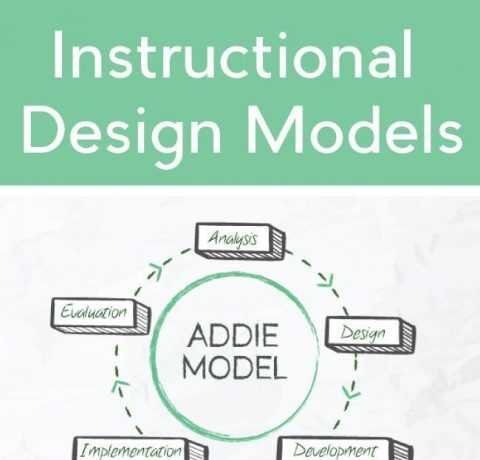
    What are instructional design models?

    Instructional Design Models Infographic - e-Learning Infographics

    Firstly, Instructional design models provide frameworks and guidelines to designers. Secondly, With these guidelines, they can build their training programs or course carefully.

    An instructional design model is based on teaching scenarios it provides guidelines and frameworks so designers can build their training routine and the only aim of this is to achieve instructional goals so trainees can gain knowledge and then retain it for their lifetime.

    Thus, when tutorial designers will need to decide on the specific steps due to his or her coaching procedure they flip into tutorial design versions like the ADDIE version. Currently, there are approximately 25 tutorial designing methodologies all around the globe. Whereas a number of these Absolute Most employed techniques are:

    • ADDIE Instructional Model
    • The Kirkpatrick instructional Model
    • Dick and Carey Instructional model
    • Assure instructional Model
    • TPACK instructional model
    • Gerlach-Ely instructional Model

    All of these instructional models have the elements that all instructional design models should consist of. These are – 

    outcomes that are valid, measurable, and reliable.

    clear and well-defined goals.

    Designers should keep data empirical.

    There should be an effort by the whole team.

    Ability to solve real-world application problems.

    Now after we have covered to this far, now let us jump into what is ADDIE model:

    Also, the purpose of the ADDIE model is to help educators. Above all, It ensures that they are teaching inappropriate manner and the appropriate material.

    The ADDIE instructional model is the model that is designed to develop curriculum in various branches of education like online education, offline education, and library instruction.

    To earn an activity sleek, we now trace exactly the ADDIE version. This version includes Evaluation, Design, Development, execution, and analysis.

    What does the word ADDIE Model mean?

    A – Analysis

    D – Design

    D – Development

    I – Implementation

    E – Evaluation

    A – Analysis Phase

    WhatisResearchOps: we're in analysis phase and it's epic! | by Kate Towsey  | researchops-community | Medium

    The primary phase of every content development process should consist of Analysis. The word Analysis generally means gathering task-related information such as audience, interest and classifying it. This helps to make content more effective and relevant.

    For Example, Assume yourself in the position of an instructional designer. Who has to create a course on human behaviour towards uncomfortable jobs. How would you move forward to it? You would have many questions. Probably the first thing you would question is –

    Is there any need for the course or training program?

    What is the objective or goal of the course? 

    What kind of jobs does human prefer? 

    These are the three main points from the Analysis phase.

    Firstly, This phase clarifies the problems like instructional problems, objectives, need of the course, Audience, and identifies the learning environment.

    Secondly, Analyzing Tasks to determine the goal and establishing the objectives of the course or training program.

    Audience Analysis to determine the audience’s demographics, psychographics, and entry-behaviour.

    Finally, These Analyses are essential for creating effective courses and training programs.

    Also you can read our Blog on What is SWOT Analysis? How to do SWOT Analysis?

    D – The Design Phase

    ADDIE Model

    Designing is the second phase of the ADDIE instructional model. In this phase, you begin to make sense of the information that you have collected or you already have with you.

    In the D phase that is the Design phase. To create content we should use instructional design theories and models. The design of the course should tell the audience how would learning transfer.

    In the context of our analyzed data, the design process can include activities like writing the goal of the course, breaking the course into smaller modules, determining the activities required to provide support, reinforce and assess the learning.

    Thus from our analysis, if we came to know that our object, for example, a student can concentrate maximum for 15 minutes at a time. Then none of the activity will be more than 15 minutes allowing them to re-concentrate after a short break.

    D – The Development Phase

    ADDIE Model

    The third phase of the ADDIE model that is the ‘Development phase’ is more oriented to content development in the E-Learning courses and training programs.

    Materials for Classroom training should be developed or created, while classroom mentors or teachers should develop their study material in detail.

    Let us explain this with the help of an example. Consider you are trying to teach a group of 20 students. All the students would have a different ability to learn and grab things.

    Students get things in the process of teaching. The other student understands when he practices it himself. Whereas the other one understands when he has trained again and practices it himself.

    Depending on the pace of students the course material should be oriented. For Example, If the student does not understand a lecture in one go. Then the course objective should be developed in such a way that the student can re-listen to the lecture. While the one who understands it in one go can move to the next objective.

    In the context of content creation the development to the preparation of content and making it ready for the audience. In the case of our dear students. You can develop the content according to the time frame.

    You would develop the content by creating the trainer’s manual, the student’s manual, and the PowerPoint presentation in such a language that is understandable by all, for example, a universal language that is English or of a particular regional language such as Hindi.

    I – The Implementation Phase

    ADDIE Model

    When our content is ready, we simply implement it. Classroom training is done in the classroom. Where teachers and students interact physically. Whereas E-Learning is done when student and teacher access from Computer or Mobile.

    In the case of classroom implementation, the trainer should use adequate instructional design and principles. Ensuring that the complete and effective transfer of knowledge is transferring to the students.

    The student audience with their short attention span can be a real challenge for the teacher. Thus, in addition to using instructional effective training material, the trainer will have to think on her feet and use ID principles to generate relevant examples and activities on the fly.

    E: The Evaluation Phase

    Evaluation, You know how we’ve got this fetish for evaluating everything – including courses and training. The competitive spirit of humans wouldn’t let us exit without the grand finale – the Evaluation!

    The main reason for evaluating training programs and courses is to improve them by addressing the issues faced by the audience. Another important reason for evaluating the training effectiveness is that the training department needs to provide data on how their course or training programs improve the organization’s profit. Evaluation helps to establish the usefulness of a course and the training program.

    Evaluation comes in two variations that are: Formative Evaluation and Summative Evaluation.

    Formative Evaluation

    Formative Evaluation- With the help of formative evaluation glitches and problems in the training program or course can be determined.

    This is a pre-implementation activity many times a mock implementation is done for formative evaluation. For the course that we created for the students, we could conduct a formative evaluation by asking why is there a need for a leader in the company or asking several people what is the summary of the course.

    Summative Evaluation

    To determine the effectiveness of the training program summative Evaluation is done. The most popular model for conducting Summative Evaluation is the ADDIE Model.

    I believe that the ADDIE instructional model is the most logical and the most generic model and the most adaptable Content Development Model till now. Get creative, use your logic, and carve out your development model from ADDIE.

    Conclusion

    ADDIE version is it isn’t hard to work with plus it might be implemented to some program that educates skills, knowledge, or approaches plus this is regarded whilst the bonus of ADDIE type.

    However, no matter the model an extensive, organized way of program development may help teachers in fulfilling the desires in their students. An upcoming analysis can track no matter whether you’ll find developments into this individual results for a consequence of the intervention that is educational.

    You may even make feedback forms and surveys to find proposal from students throughout the program. Most of this info will talk into the research period again therefore that you can always boost and find the most useful results out of the own course or instruction plan.

    FAQ’s

  • Charles Handy model motivation theory – 4 Culture

    Charles Handy model motivation theory – 4 Culture

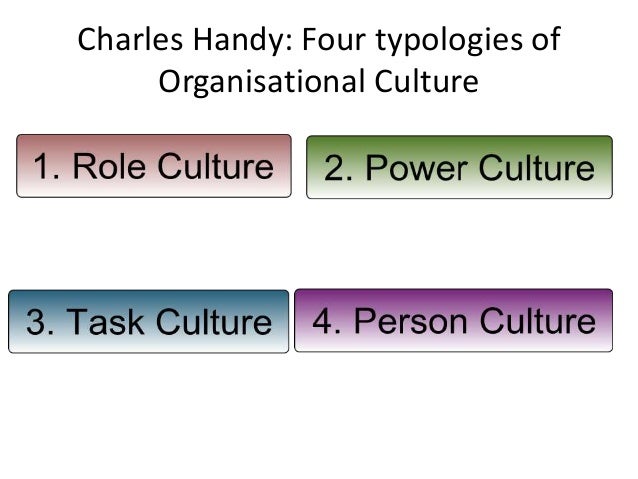
    Charles Useful Is Famous for his Cultures Theory,” Called the God of Administration Idea. So, This hypothesis explains that the classifications of industry arrangements and associations depending upon the functions and purposes of a person. Each civilization defines precisely the source of electrical power over the company and the way that it affects the achievements of this firm and its staff members.

    WHAT’S IN IT

    Charles Handy Four Culture Theory

    Charles handy model

    Zeus Culture

    Zeus Culture is first in Handy’s Gods of Management Theory this culture is also the Club Culture or the Power Culture. Inside this industry lifestyle, the capacity has been centralizing to an individual that’s the chef.

    Apollo Culture

    The Apollo Culture which is the Role Culture is a hierarchy distribution of power among employees. It has its main focus as efficiency and order.

    This culture generally ignores changes on the initial onset and prefer attempts to rely upon the already established routines. For Instance, LIC is the example of an Apollo or Power Culture.

    Athens Culture

    Even the Athens civilization calls the Task way of life provides the capability to staff members based in their capacity to finish the activity at the provided period framework.

    So, Everything from Athens Society revolves round firm labour and activities. Give Employees a little bit of freedom inside this firm way of life.

    Dionysius Culture

    The Dionysius Culture as Person Culture or Existential Culture has its primary focus on the success of the employees rather than the success of the business. So, In this culture, Employees see themselves as specialists and tend to loan their skills temporarily to the corporation.

    Rules of Trust

    Charles helpful believed it to earn any small business success that the direction needs to anticipate their staff members as well as also for it, he left seven hope guidelines.

    Do not trust Blindly

    Trusting is tough

    Leaders require trust

    Trust needs boundaries

    Demands to learn

    Trust needs touch

    Bonding builds trust

    These were the seven Trust rules that Handy Covers in Rules Of Trust to make a business successful.

    Handy’s Motivation Theory

    Motivation is complicated, It is also one of the biggest issues that what is motivating one person that might not be motivating for another person. Another fact, that what motivates us today might not motivate us in the future, And being a leader of your team, you should ensure that you can hold on the motivation pulse.

    Hence, Charles Helpful Enthusiasm Concept is an expansion of this”Maslow’s Hierarchy of Needs”. So, The idea contained three major details: Require, Expectation, and Effect. Useful’s version says own personal investigation of the particular scenario generates greater consequences, added wants, and greater efficacy.

    These three factors determine the amount of motivation that an individual has while working on a task or project. So, By determining how these factors play an important role in motivation, One can easily shape their approach for the best possible results.

    Needs

    Charles handy model

    Needs is the foremost thing in every motivation, if you have read any motivational theory previously, you would have certainly seen the topic of needs at the top. It is observed that when people have their needs met, they are more dedicated to work hard on the given project or task.

    Needs can range from basic facilities like food, clothes, and shelter to luxurious ones like self-actualization and achievements. Every need of an employee cannot be fulfilled. That’s the uncertainty and fact too. Some needs of employees will not get fulfilled. But being the manager, you can help them to fulfil their needs or at least try to fulfil so that the employee can feel satisfied or accomplished in the workplace.

    Among those issues which can come up over the class of demands is self-explanatory. People today are interested in being connected with different individuals especially with people who are powerful or desired at all. Thus, it’s advised whenever you’re coordinating the arrangement of one’s company, be certain you provide your workers with an opportunity to do the job well with the powerful or desired kinds. The friendship bonds which come from those functioning relationships tend to be much more inclined to provide the most useful around the job that’s generated.  

    Expectations

    Each individual has anticipation, such as you’ve got to enlarge your business enterprise to become in addition to this current market and therefore you’re ready to place your everything. Likewise, goes for investors and employees who how far are they going to become happy to put money into the job which you have put in your own feet? The anticipation and cost are planning to become tightly tied, so as persons are going to become happy to perform more difficult to get items they find more prized.  

    For example

    If you offer up some rewards like a home appliance or atrophy of 5 stars for a job well done. Your team members will likely to work very hard to succeed and achieve the rewards. On the other hand, if you offer a handshake or a thank you as a reward for a successful job done, the effort put out is going to pale in comparison and likely will not get valued next time.

    This behaviour is an individual character, and it’s inevitable. The most useful staff members are about to work tougher. For matters, they view more precious. It’d be fine to reside in a universe where everyone only provides their very best attempt. All enough period with no anticipations. But this is not likely to transpire within the particular world, at least for twenty decades of course. In the event, you would like to find probably the maximum out and appreciate in their employees. You might need to supply them the very finest along with also the expected benefit.  

    Result

    Charles handy model

    Of course, you are getting to get to follow through on the anticipation of payoff using an actual payoff once your project is completed efficiently. You will find numerous ways that the result of a project or endeavour can be rewarded. And it is not mandatory that have to get related to income. Yes, money is always going to be the most effective priority of every single employee. But other advantages there are far somewhat more valuable things. Such as declaring that the titles and giving a superior telephone could change in psychological manners.  

    By way of example, phoning out at front of the remaining part of the team to your job which he has done will help an employee to feel accomplished, empowered, proud and appreciated. Being noticed is just an exact strong tool, also it is one of this thing that lots of people will get the job done hard to receive it. Promoting as a crew leader after achieving success on the job may result in more hard work and accomplishment of the individual and business.

    After thinking of all the possible and logical results. Thinking that a standard salary will keep the employee motivated is a huge mistake.

    Employees will probably last to get their paycheck by doing just enough not more. But being a manager, you want them to perform substantially better than they are doing at this time. Your 1 movement of rewarding or declaring their job could lead your employees to enormous work gap.  

    It is not an easy task to keep your employees motivated, but giving your best to motivate your employees is worth the effort. Using Handy’s Motivation Theory along with some of the common theories available would be smart decisions on how you are going to motivate your team.

    Conclusion

    One should closely observe the needs of the employee to extract best from them. If you are giving employees insufficient paystub for a very well done job. Then most probably the word “very well” will be disappeared.

    Closely monitoring the expectations of the employee can lead to a huge jump in the success of the job. For example, for a hard fighting job if you offer a monetary bonus, most likely the job will be done on time with the best efforts made.

    After Expectations, we have our results. When a job is done without expectation it is rewarded as a result.

    For this let us take a common example that we all are aware of that is, when we score good marks in exams our parents decide to give us something we needed or something we like. So that next time for this greed we can again give our best. Same goes for employees also.

    Also You can Read our Blog on 5 Stage Model Of Skill Acquisition

    FAQ’s

  • How to Build Trust inside your Team

    How to Build Trust inside your Team

    Introduction

    Above all, Successful workplace requires trust and Unity in your organisation.

    Firstly, Without these elements, it is very difficult to communicate and bring something new and innovative inside your organisation.

    As a leader, it is your job to ensure that none of these things happens in your organisation.

     However, you have to make sure that team unity and trust remain present in your business and you can easily develop and implement new methods and ideas for building a trusting team culture.

    Above all, we are offering some useful information about how to build trust inside a team and that will help you in running a successful business.

    WHAT’S IN IT 

    Ways to build trust inside your team

    Build Trust inside your Team

    Keep communication and information sharing honest

    Trying to keep communication honest and straightforward is equally crucial for almost any business enterprise accomplishment. If friends of folks get with each other to operate at a mutual target, it’s important for those they need to expect every other together with crucial and insignificant bits of advice.

    There should be some transparent way of communication system inside a team so that the same information or update of any work will be shared with everyone in the team. 

    Get personal

    Primarily, Obtaining staff members to modest excursions or after-work parties, wherever your personnel have an opportunity to bond together with different people in your workforce.

    Leading such as over those instances by discussing personal info, discussing on your hobbies, talking ethnic preferences, and also a lot more matters enable personnel to experience comfortable and related to the others onto a more individual level and which is going to permit the crew to come up with confidence by natural means.

    Bring proof

    Trust should be earned through research, data and logic inside the firm.

    The team members will build trust in you by seeing your workability and delivering actual and clear results.

    Ask everyone to open for new ideas

    An idea should never be taken as leave.

    It isn’t important which the notion is either bad or good. But everybody wants to be more listening from the Organization Ultimately That’s the reason it’s extremely crucial that you just make a civilization where everyone’s thoughts and hints think about.

    Avoid playing the blame game

    Sometimes accidents happen or plans do not work out and mistakes are made inside the team.

    However, nurturing to a civilization which enables the others to position fingers at one another will lead your work-place becoming detrimental to do the job.

    Above all, Do not allow employees to blame each other for their downfalls, and try to encourage beneficial criticism within your team and that can move forward beneficially.

    Be Accurate

    People who love structure and the process of doing work will build trust in a team by completing a promise executed on time and with precision.

    Lead by example

    Additionally, foremost for instance is something that you ought to be familiarized by revealing your standing of power.

    By showing which you just trust yourself, your coworkers, and also older ones, so you also may reveal just how favourable confidence might be in your workforce.

    Praise others

    Build Trust inside your Team

    Double your efforts to understand the career aspirations of your team members.

    Trusts the manager who constantly pays attention to the centre of the team’s accomplishments.

    Measure straight into the shadows supporting your club as well as your loved ones may refund you repeatedly.

    Get Involved

    Firstly, People who approach work through any relationship will build trust inside the team by building an open way of doing work with the team.

    Secondly, Involve these people in real results-oriented work levels to build trust inside the team.

    Be quiet at sometimes

    Use some variety of tools to ensure that everyone has the chance for their voice to be heard in the team.

    You should be engaging with your employees in allowing asking them questions, getting answers to those questions, and any voice concerns in an organisation. 

    Then also take feedback from your internal stakeholders for future actions in an organisation.

    Communicate the Vision

    Individuals any particular you to an impressive photograph and visionary of carrying out occupation might want to make assurance by knowing you are asking them to get something at a substantial (Bigger ) perception. You desire to tell them to possess a brand new photograph of the way their thoughts may be implemented at a true process.

    Provide a Forum

    Senior employees in the team should be given a chance to share some information they know based on their experiences and allow them a space to bring their thoughts inside the team whenever they build trust.

    Create a Good Atmosphere

    For the peacekeepers, people inside your team, A hard-charging and a competent manager can be a bad fit and will erode trust. 

    Make a friendly environment inside the team to work with these types of team members.

    Challenging people in doing their work

    Firstly, A good atmosphere does not mean to prevent some disaster from happening inside a company.

    Second, you must construct confidence along with your competitive staff members by hard their believing and also invite them to battle your believing.

    Maintaining focus in doing work

    Clarity and attention out of a pioneer are the most crucial and also the team associates that aren’t therefore engaged in carrying out job can reduce their faith by a supervisor. 

    So be sure that you have to communicate the reason behind a change in the team and also starts preparation for the change in doing work

    Prepare for change

    Build Trust inside your Team

    Changes are inevitable in the business.

    Trust is assembled if favourable shift happens in the workforce and when they’re awarded the chance to communicate their thoughts and also the possibility to observe the shift during.

    Accept disagreement

    Usually do not acknowledge a fake deal. Open conversation would be your fantastic means to address an issue on its own. Research various manners using a goal to fix the issues. The clear presence of arguments means that the crew is expecting that you and can be maybe not afraid of telling reality personally…

    Example’s

    Trump ltd and XI ping ltd are the two companies doing business.

    Trump ltd earns $9,00,00,000 a year.

    While XI ping ltd earns $10,00,00,000 a year.

    But Trump ltd works with building trust inside an organisation.

    While Xi ping ltd works only for himself and for profits. He does not build trusts inside an organisation.

    Xi ping ltd does not take care of any of its employees. Even the work culture in Xi ping ltd is also too bad. Employees do not feel good while working for Xi ping ltd.

    On the other hand, trump ltd is having a very good culture in doing work.

    They take care of their employees. They also provide good incentives to their employees.

    Which company is better according to you?

    Well !!! the answer is Trump ltd is better working space for employees because of good working conditions and in the long term, there are very many chances that Trump ltd will start earning more profits than Xi ping ltd because more employees will be ready to work for Trump ltd. 

    And also all employees will work with their full-hearted in trump ltd while that will not be the case in Xi ping ltd.

    Conclusion

    These are some of the tips which you can apply for building trust inside your business.

    All these tips are successfully implemented by many successful entrepreneurs in their businesses.

    Teamwork is not something that we can forcefully impose on our workers.

    Instead,  good teamwork will naturally occur when there is a healthy workplace inside our organisation and where employees are treated as individuals 

    You may take any necessary step to get the most out of each employee and you will also get the best performance from your teams.

    Thanks for providing your valuable time in reading this article.

    FAQ’s

  • Common management misconceptions

    Common management misconceptions

    Introduction

    Management misconceptions mean the employees of an organization thinks something about the management which does not exist in reality. 

    So, Some type of the wrong notion in the minds of the general public or management.

    It also means not understanding something.

    WHAT’S IN IT 

    Management misconceptions

    Management misconceptions

    Skills and success earns a right to manage

    Firstly, this is wrong in the mind of people that only skillful people or successful people can become a good manager.

    Secondly, Being best in your work is a big part of moving at a higher level in an organization.

    Hence, It is the way you are going to be noticed.

    but this is not the only secret through which you are going to 

    become a successful manager.

    A lot of top-level individuals struggles when given a new position in management and plenty of average contributors are exceptional leaders.

    Finally, What matters is our ability to learn from our past and keep a mind open to learning new things for the future and take on your new role.

    Expecting employees to come to them

    Many managers think that it is the employee’s responsibility to come towards them when a problem arises.

    But that generally never happens because employees fear hearing negative from their manager.

    Instead of doing this, the manager should go to his employees and ask them personally.

    Management is easier than everyday contribution

    Many people think that management has to give work and let others do the work. But this is the wrong..

    A good manager works hard for the company as its employees do or even more than them.

    If you care about your team and want to see them excelling in your work then it will take time and dedication and also working hands-on with them will get the most out of their efforts.

    Being too busy

    A director who’s too busy inside their things creates all around him experience laborious and insignificant.

    A supervisor who’s always busy within their job is not as strict to staff members and also outside of contact what is happening within their business enterprise.

    If you’re over-scheduled as being a boss assign less operate to individuals and program moment and energy to walk on your office.

    Management is about good instincts

    Sometimes you have to make quick decisions in your business and because of less time you have to make a decision, you decided based on your gut feeling.

    But good management is all about planning ahead and agreeing when you make a mistake. 

    So, Decisions taken based on your gut feeling will lead to a failure in your organisation.

    Overemphasizing personal accountability

    Also, an unfair quantity of anxiety makes it possible for the boss to scrub his hands-on responsibility along with discourages staff from discussing issues.

    If employees don’t follow obligation, it’s basically because their professionals tend not to enable one to win and subsequently blame him to get almost any failures. 

    Its danger to apologize or seek help

    So, Some people are weak in apologizing or asking for help as a manager. 

    Also, It is important to recognize and admit that you have made a mistake. 

    Use it as a learning experience and also help your team with your experience.

    Making employees apprehensive

    Management misconceptions

    If the climate of the office is not good enough to work and people are terrified to look ignorant or incompetent then that is going to impede work progress in an organisation. 

    So, Employees in that environment will not feel good to ask for help, admit their work mistakes or even share any new ideas.

    Your job is to keep people in line

    Your job is not to keep people in line and catch them when they mess up. But your job is to reward them for doing a good job and help them to make fewer mistakes in their work.

    That means you have to constantly interact with your team, coaching them through new learning opportunities and mentoring them when they are ready to learn new skills or opportunities. Hence, Your success is measured by their success and not by giving punishments to them.

    The size of your team indicates your skill level

    Size of your team is not relevant to judge you as a manager.

    Also, You could manage ten people or a hundred people, your focus is going to be the same.

    So, These are some of the misconceptions which are there in the mind of the general public or employees of an organization.

    Examples

    Management misconceptions
    1. If you guys have seen a famous web series suits then in that web series Mr Louis litt was working for Pearson Hardman as a manager of the law firm.

    So, His work is to manage paralegals and associates in the law firm.

    He gives work to all the associates and paralegal in the firm and also reviews their work.

    So many paralegals and associates found that Mr Louis never does work by himself. 

    Instead, he always delegates the work.to paralegals and associates.

    But actually, this is a misunderstanding in the mind of a Paralegals and associates.

    Mr Louis also fought cases for the law firm representing Pearson Hardman.

    So there was a misconception in the mind of Paralegals and associates that Mr Louis litt does not work.

    Hence, This is the classic example of the misconception of management in the mind of people.

    Conclusion

    However, avoiding these mistakes can make a good managerial success in an organisation and thus increases employee engagement. 

    So a good manager should avoid these misconceptions and just focus on his work.

    Also You can Read our Blog on How To Help Your Team Feel Good

    FAQ’s